Safety Harnesses and Fall Arrest Equipment
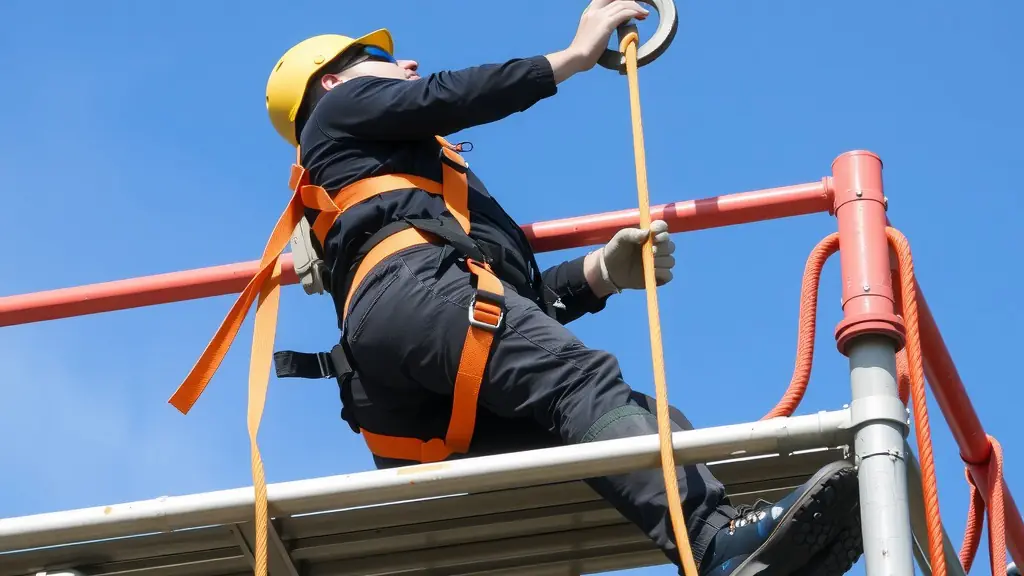
Falls from height are one of the leading causes of death on South African construction sites. A certified safety harness with the right lanyard and anchor can prevent that. Tell us about your work at height and a supplier will quote on full body harnesses, lanyards, inertia reels and rescue equipment.
Full body harnesses
A full body safety harness spreads fall forces across the thighs, pelvis, chest and shoulders. The basic version has a rear D-ring for fall arrest. Two-point harnesses add a front D-ring for ladder systems and rescue, while work positioning harnesses add a waist belt with side D-rings for pole and tower work. Padded harnesses with quick-connect buckles are more comfortable on long shifts, and flame-resistant webbing is used for welding and hot work at height. Old-style safety belts are no longer acceptable for fall arrest.
Lanyards, anchors and rescue
The harness is only one part of a fall arrest system. Double lanyards with energy absorbers let workers stay connected at all times while moving, which is often called 100% tie-off. Self-retracting inertia reels limit fall distance and suit work over short heights. Anchor slings, beam clamps, lifelines and roof anchors provide the tie-off point, and every system needs a rescue plan and kit. South African fall arrest equipment is commonly tested to SANS 50361 for harnesses and SANS 50355 for energy absorbers.
Compliance, inspection and prices
The Construction Regulations of 2014 require a fall protection plan, trained workers and regular equipment inspection. Harnesses should be checked by the user before every use and by a competent person at regular intervals, and removed from service after a fall. Safety harness prices depend on the number of D-rings, padding and buckle type, and kits that bundle harness, double lanyard and bag offer good value. Many suppliers also offer working at height training and harness inspections.
How to choose a safety harnesses supplier
Price matters, but the cheapest price is not always the best value. When you receive your safety harnesses quote, check:
- Certification – ask which South African (SANS) or international standards the products meet, and request test certificates for large orders.
- Stock and lead times – a supplier who holds stock locally can replace damaged or wrong-sized items quickly.
- Total cost – look at the price including delivery, branding and VAT, not only the unit price.
- After-sales service – find out about exchanges, warranties and whether the supplier can set up an account for repeat orders.
Our service matches your request with a supplier who stocks certified products, so you can check these points before you commit. It costs nothing and you are under no obligation to accept the quote.
Request a safety harnesses quote
To get accurate prices quickly, include:
- Number of harnesses and the type of work at height
- Lanyard type: single, double, with energy absorber or inertia reel
- Anchors, lifelines or rescue kits needed
- Whether you also need training or harness inspections
Frequently asked questions
- How often should a safety harness be inspected?
- Before every use by the worker, and at least every six months by a competent person, with records kept. Remove any harness that has arrested a fall.
- What is the difference between fall arrest and fall restraint?
- Fall restraint stops a worker reaching an edge. Fall arrest stops a fall after it starts. Both use harnesses but different lanyards and anchors.
Safety Harnesses by province
- Safety Harnesses Gauteng
- Safety Harnesses Western Cape
- Safety Harnesses KwaZulu-Natal
- Safety Harnesses Eastern Cape
- Safety Harnesses Free State
- Safety Harnesses Limpopo
- Safety Harnesses Mpumalanga
- Safety Harnesses North West
- Safety Harnesses Northern Cape
Safety Harnesses by city
- Safety Harnesses in Johannesburg
- Safety Harnesses in Pretoria
- Safety Harnesses in Centurion
- Safety Harnesses in Midrand
- Safety Harnesses in Boksburg
- Safety Harnesses in Kempton Park
- Safety Harnesses in Germiston
- Safety Harnesses in Benoni
- Safety Harnesses in Krugersdorp
- Safety Harnesses in Vereeniging
- Safety Harnesses in Vanderbijlpark
- Safety Harnesses in Cape Town
- Safety Harnesses in George
- Safety Harnesses in Durban
- Safety Harnesses in Pinetown
- Safety Harnesses in Pietermaritzburg
- Safety Harnesses in Richards Bay
- Safety Harnesses in Port Elizabeth (Gqeberha)
- Safety Harnesses in East London
- Safety Harnesses in Bloemfontein
- Safety Harnesses in Welkom
- Safety Harnesses in Polokwane
- Safety Harnesses in Nelspruit (Mbombela)
- Safety Harnesses in Witbank (eMalahleni)
- Safety Harnesses in Middelburg
- Safety Harnesses in Rustenburg
- Safety Harnesses in Klerksdorp
- Safety Harnesses in Potchefstroom
- Safety Harnesses in Kimberley