Hearing Protection: Ear Plugs and Ear Muffs
Noise-induced hearing loss is permanent, painless and one of the most common occupational diseases in South Africa. Hearing protection is cheap and effective when it is worn properly. Ask for a quote on ear plugs, ear muffs and hearing conservation products for your noise zones.
Ear plugs
Disposable foam ear plugs are inexpensive, comfortable and offer high attenuation when rolled and inserted correctly. Reusable silicone or flanged plugs can be washed and come on cords so they hang around the neck between noisy tasks. Banded ear plugs are quick to put on and take off for people moving in and out of noise zones. Dispensers at noise zone entrances keep plugs clean and encourage use. Detectable plugs with a metal insert are used in food processing.
Ear muffs and custom moulded protection
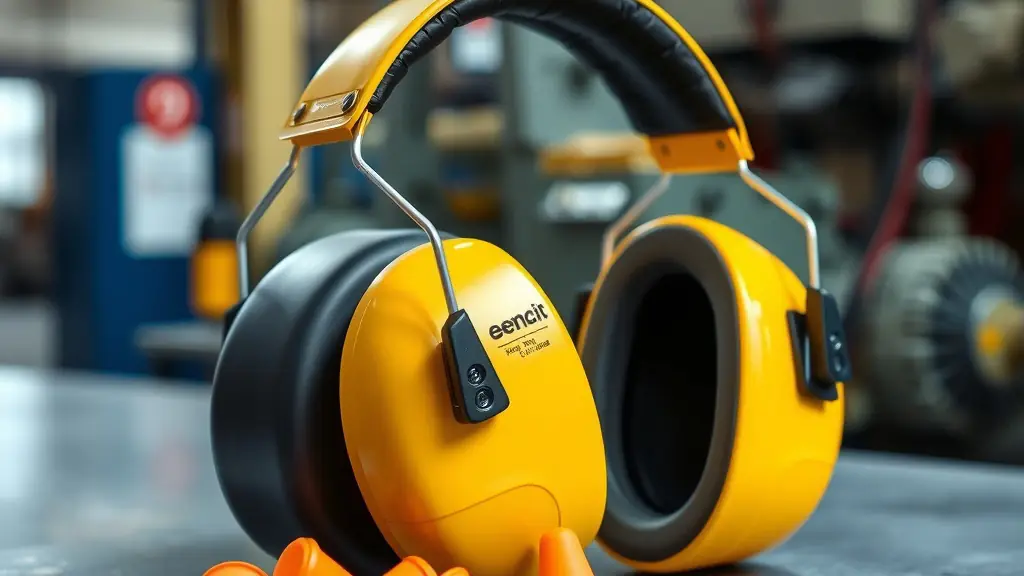
Ear muffs are easy to fit correctly and suit people who find plugs uncomfortable. Headband, neckband and helmet-mounted models are available, the last clipping onto hard hats. Electronic and communication muffs allow two-way radio use and amplify speech while blocking harmful noise. Custom moulded ear plugs, made from an impression of each worker's ear, give consistent fit and comfort for full-time use in very noisy environments.
Noise regulations and choosing the right protection
The Noise-Induced Hearing Loss Regulations under the Occupational Health and Safety Act require employers to measure noise, demarcate zones at or above 85 dB(A), supply hearing protection and run medical surveillance for exposed workers. The mining industry has its own noise code of practice. Choose protectors by their SNR (single number rating) so that the noise at the ear falls well below 85 dB(A), but avoid over-protection that cuts workers off from warning signals and colleagues.
How to choose a hearing protection supplier
Price matters, but the cheapest price is not always the best value. When you receive your hearing protection quote, check:
- Certification – ask which South African (SANS) or international standards the products meet, and request test certificates for large orders.
- Stock and lead times – a supplier who holds stock locally can replace damaged or wrong-sized items quickly.
- Total cost – look at the price including delivery, branding and VAT, not only the unit price.
- After-sales service – find out about exchanges, warranties and whether the supplier can set up an account for repeat orders.
Our service matches your request with a supplier who stocks certified products, so you can check these points before you commit. It costs nothing and you are under no obligation to accept the quote.
Request a hearing protection quote
To get accurate prices quickly, include:
- Noise levels in your work areas, if known
- Ear plugs, ear muffs or helmet-mounted muffs
- Quantities, including dispensers or refills
- Interest in custom moulded plugs or communication muffs
Frequently asked questions
- Are ear plugs or ear muffs better?
- Both work when worn correctly. Plugs suit hot conditions and long wear. Muffs are easier to fit and better for intermittent noise. Very loud areas may need both together.
- What does SNR mean on hearing protection?
- Single Number Rating: an estimate in decibels of how much the protector reduces noise. A higher SNR means more reduction.
Hearing Protection by province
- Hearing Protection Gauteng
- Hearing Protection Western Cape
- Hearing Protection KwaZulu-Natal
- Hearing Protection Eastern Cape
- Hearing Protection Free State
- Hearing Protection Limpopo
- Hearing Protection Mpumalanga
- Hearing Protection North West
- Hearing Protection Northern Cape
Hearing Protection by city
- Hearing Protection in Johannesburg
- Hearing Protection in Pretoria
- Hearing Protection in Centurion
- Hearing Protection in Midrand
- Hearing Protection in Boksburg
- Hearing Protection in Kempton Park
- Hearing Protection in Germiston
- Hearing Protection in Benoni
- Hearing Protection in Krugersdorp
- Hearing Protection in Vereeniging
- Hearing Protection in Vanderbijlpark
- Hearing Protection in Cape Town
- Hearing Protection in George
- Hearing Protection in Durban
- Hearing Protection in Pinetown
- Hearing Protection in Pietermaritzburg
- Hearing Protection in Richards Bay
- Hearing Protection in Port Elizabeth (Gqeberha)
- Hearing Protection in East London
- Hearing Protection in Bloemfontein
- Hearing Protection in Welkom
- Hearing Protection in Polokwane
- Hearing Protection in Nelspruit (Mbombela)
- Hearing Protection in Witbank (eMalahleni)
- Hearing Protection in Middelburg
- Hearing Protection in Rustenburg
- Hearing Protection in Klerksdorp
- Hearing Protection in Potchefstroom
- Hearing Protection in Kimberley