Safety Boots – Get a Quote from a South African Supplier
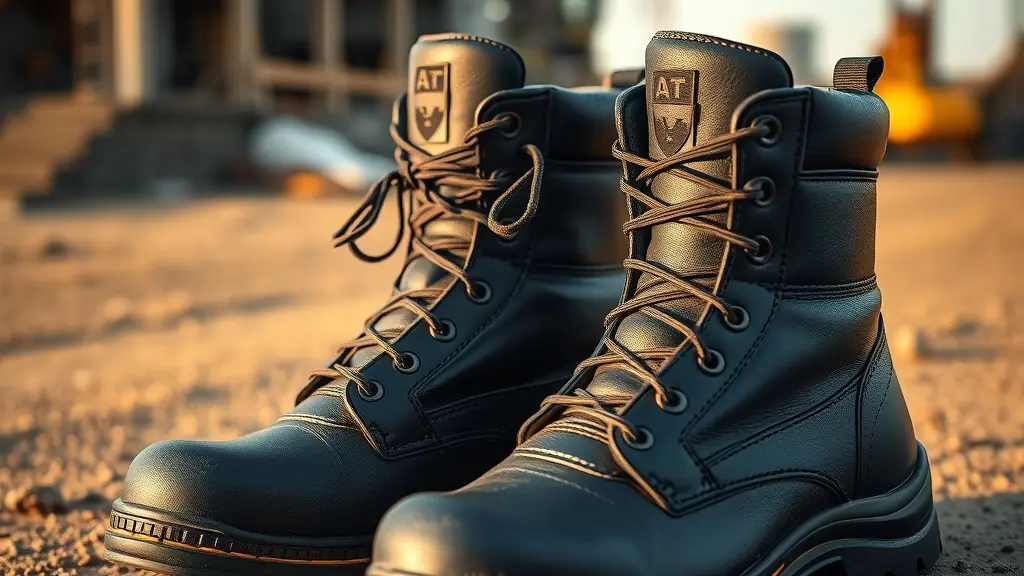
Safety boots are the most searched item of PPE in South Africa, and for good reason. Feet are injured by falling objects, sharp debris, slippery floors and electrical hazards on almost every work site. Tell us how many pairs you need and in which sizes, and a South African supplier will send you a quote for steel toe, composite toe, Chelsea and ladies safety boots.
Types of safety boots and safety shoes
The right boot depends on the hazard. Steel toe safety boots are the standard for construction, warehousing and manufacturing. Composite toe caps are lighter, do not conduct heat or cold and pass through metal detectors, which suits mines and airports. Chelsea safety boots slip on without laces and are popular in food processing and agriculture. Low-cut safety shoes suit drivers and technicians, while ladies safety boots are built on a narrower last for a proper fit.
Look for features that match your work: anti-static or electrical hazard soles, heat-resistant rubber outsoles for foundries and tar work, midsole penetration plates where nails and sharp objects are common, and water-resistant leather for outdoor sites.
SANS 20345 ratings explained
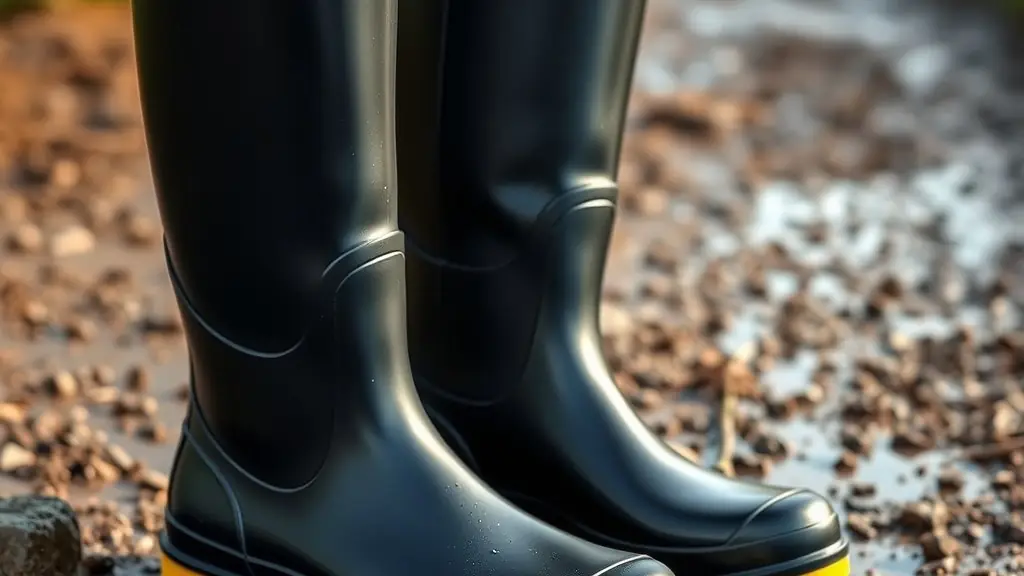
Safety footwear in South Africa is tested to SANS 20345 (the local version of ISO 20345). The rating on the label tells you what the boot protects against. SB means a 200-joule toe cap. S1 adds an anti-static, energy-absorbing heel. S2 adds water resistance, and S3 adds a penetration-resistant midsole and cleated outsole. S5 is used for rubber safety gumboots. Ask the supplier to confirm the rating in the quote so you know exactly what you are getting.
Safety boot prices and bulk orders
Safety boot prices in South Africa range from entry-level boots for general labour to premium boots with comfort footbeds and long warranties. Price depends on toe cap type, leather quality, sole compound and order volume. Buying in bulk for a whole team usually brings the unit price down, and many suppliers offer size runs, exchanges for wrong sizes and staggered deliveries. Include your size breakdown in the form below to get an accurate quote.
How to choose a safety boots supplier
Price matters, but the cheapest price is not always the best value. When you receive your safety boots quote, check:
- Certification – ask which South African (SANS) or international standards the products meet, and request test certificates for large orders.
- Stock and lead times – a supplier who holds stock locally can replace damaged or wrong-sized items quickly.
- Total cost – look at the price including delivery, branding and VAT, not only the unit price.
- After-sales service – find out about exchanges, warranties and whether the supplier can set up an account for repeat orders.
Our service matches your request with a supplier who stocks certified products, so you can check these points before you commit. It costs nothing and you are under no obligation to accept the quote.
Request a safety boots quote
To get accurate prices quickly, include:
- Number of pairs and a size breakdown (UK sizes 3 to 13 are standard)
- Toe cap preference: steel or composite
- Required SANS 20345 rating, such as S1, S3 or SB
- Special needs: heat-resistant sole, electrical hazard, ladies fit or Chelsea style
Frequently asked questions
- How often should safety boots be replaced?
- Replace safety boots when the sole is worn smooth, the toe cap is exposed or dented, or the upper is split. On heavy sites that is often every 6 to 12 months.
- Are steel toe or composite toe boots better?
- Both protect against the same impact when certified to SANS 20345. Composite is lighter and non-conductive. Steel is cheaper and slimmer.
Safety Boots by province
- Safety Boots Gauteng
- Safety Boots Western Cape
- Safety Boots KwaZulu-Natal
- Safety Boots Eastern Cape
- Safety Boots Free State
- Safety Boots Limpopo
- Safety Boots Mpumalanga
- Safety Boots North West
- Safety Boots Northern Cape
Safety Boots by city
- Safety Boots in Johannesburg
- Safety Boots in Pretoria
- Safety Boots in Centurion
- Safety Boots in Midrand
- Safety Boots in Boksburg
- Safety Boots in Kempton Park
- Safety Boots in Germiston
- Safety Boots in Benoni
- Safety Boots in Krugersdorp
- Safety Boots in Vereeniging
- Safety Boots in Vanderbijlpark
- Safety Boots in Cape Town
- Safety Boots in George
- Safety Boots in Durban
- Safety Boots in Pinetown
- Safety Boots in Pietermaritzburg
- Safety Boots in Richards Bay
- Safety Boots in Port Elizabeth (Gqeberha)
- Safety Boots in East London
- Safety Boots in Bloemfontein
- Safety Boots in Welkom
- Safety Boots in Polokwane
- Safety Boots in Nelspruit (Mbombela)
- Safety Boots in Witbank (eMalahleni)
- Safety Boots in Middelburg
- Safety Boots in Rustenburg
- Safety Boots in Klerksdorp
- Safety Boots in Potchefstroom
- Safety Boots in Kimberley