Safety Gloves and Work Gloves

Hands are injured more often than any other part of the body at work. Cuts, crush injuries, burns and chemical burns can all be prevented with the right safety gloves. Tell us which tasks your team does and how many pairs you need, and a supplier will quote on the most suitable gloves.
Types of safety gloves
- Leather work gloves – chrome or candy-stripe leather gloves for general handling, construction and rigging.
- Coated knitted gloves – nitrile, latex or PU coated gloves offer grip and dexterity for assembly, warehousing and building.
- Cut-resistant gloves – made with high-performance yarns for glass, sheet metal and blades.
- Chemical gloves – PVC, nitrile and neoprene gauntlets for acids, solvents and detergents.
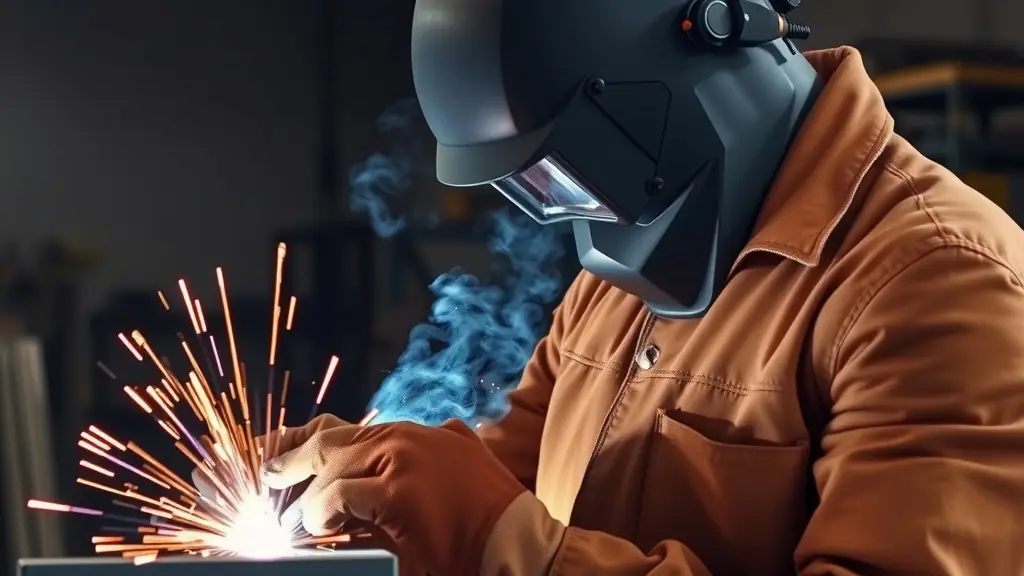
- Welding gloves – long-cuff heat-resistant leather.
- Disposable gloves – nitrile, latex and vinyl for food handling, cleaning and medical use.
- Electrical gloves – insulating rubber gloves rated by voltage class.
Glove ratings: EN 388 and EN 374
Mechanical gloves are tested to EN 388, which scores abrasion, blade cut, tear and puncture resistance, plus an ISO cut level from A to F. Level A is light cut resistance, while levels D to F suit sharp sheet metal and glass. Chemical gloves are tested to EN 374, which lists the chemicals the glove resists. Matching the rating to the task is better than buying the thickest glove, because gloves that are too bulky often end up in pockets instead of on hands.
Safety glove prices and bulk supply
Gloves are a consumable, so the price per pair matters. Most buyers order by the dozen or in cartons, and many sites run a glove exchange where workers swap a worn pair for a new one. Price depends on material, coating, cut level and brand. Sizes usually run from 7 (small) to 11 (extra large). Ask for samples to trial on site before committing to a large order.
How to choose a safety gloves supplier
Price matters, but the cheapest price is not always the best value. When you receive your safety gloves quote, check:
- Certification – ask which South African (SANS) or international standards the products meet, and request test certificates for large orders.
- Stock and lead times – a supplier who holds stock locally can replace damaged or wrong-sized items quickly.
- Total cost – look at the price including delivery, branding and VAT, not only the unit price.
- After-sales service – find out about exchanges, warranties and whether the supplier can set up an account for repeat orders.
Our service matches your request with a supplier who stocks certified products, so you can check these points before you commit. It costs nothing and you are under no obligation to accept the quote.
Request a safety gloves quote
To get accurate prices quickly, include:
- Tasks the gloves are for, such as handling steel, chemicals or food
- Glove type and any EN 388 cut level or EN 374 rating needed
- Quantity in pairs or cartons and the size split
- Whether you want samples first
Frequently asked questions
- Which gloves are best for general construction work?
- Nitrile-coated knitted gloves give good grip and dexterity for most tasks. Use leather gloves for rough handling and cut-resistant gloves for sheet metal.
- What cut level do I need?
- ISO cut level A or B suits general handling. Use level C or D for sheet metal and level E or F for glass and very sharp edges.
Safety Gloves by province
- Safety Gloves Gauteng
- Safety Gloves Western Cape
- Safety Gloves KwaZulu-Natal
- Safety Gloves Eastern Cape
- Safety Gloves Free State
- Safety Gloves Limpopo
- Safety Gloves Mpumalanga
- Safety Gloves North West
- Safety Gloves Northern Cape
Safety Gloves by city
- Safety Gloves in Johannesburg
- Safety Gloves in Pretoria
- Safety Gloves in Centurion
- Safety Gloves in Midrand
- Safety Gloves in Boksburg
- Safety Gloves in Kempton Park
- Safety Gloves in Germiston
- Safety Gloves in Benoni
- Safety Gloves in Krugersdorp
- Safety Gloves in Vereeniging
- Safety Gloves in Vanderbijlpark
- Safety Gloves in Cape Town
- Safety Gloves in George
- Safety Gloves in Durban
- Safety Gloves in Pinetown
- Safety Gloves in Pietermaritzburg
- Safety Gloves in Richards Bay
- Safety Gloves in Port Elizabeth (Gqeberha)
- Safety Gloves in East London
- Safety Gloves in Bloemfontein
- Safety Gloves in Welkom
- Safety Gloves in Polokwane
- Safety Gloves in Nelspruit (Mbombela)
- Safety Gloves in Witbank (eMalahleni)
- Safety Gloves in Middelburg
- Safety Gloves in Rustenburg
- Safety Gloves in Klerksdorp
- Safety Gloves in Potchefstroom
- Safety Gloves in Kimberley