Fire Extinguishers – Supply and Servicing Quote
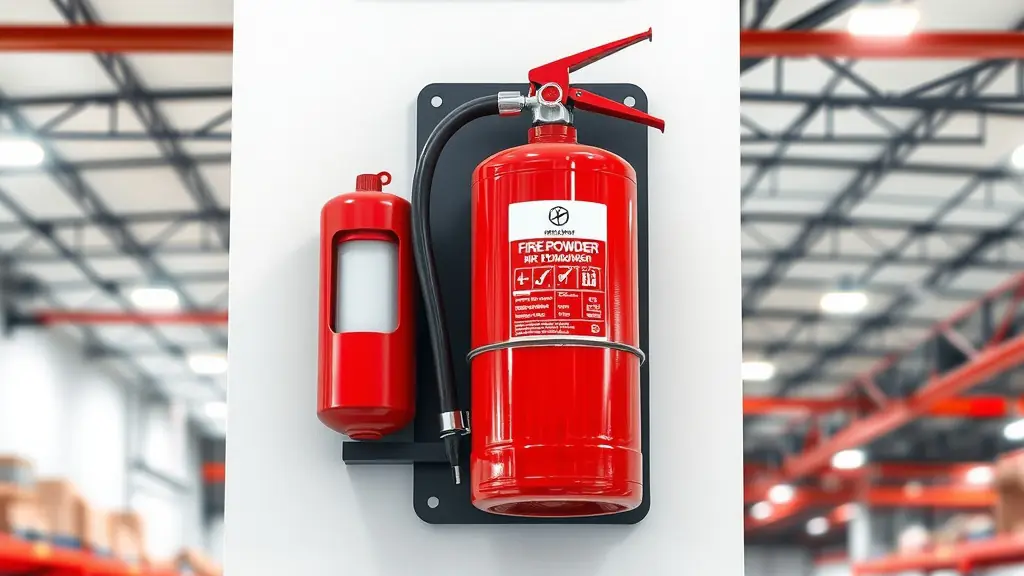
Every business premises in South Africa needs working fire extinguishers, and most insurers ask to see them serviced every year. Whether you are fitting out a new building, replacing expired units or need an annual service contract, tell us what you need and an accredited supplier will send you a quote for supply and servicing.
Choosing the right fire extinguisher type
Fires are grouped by fuel, and each extinguisher type is rated for certain classes:
- Dry chemical powder (DCP) – the most common type in South Africa. A 9kg DCP fire extinguisher covers Class A (wood, paper), B (flammable liquids) and C (gases) fires and is the usual choice for offices, shops and warehouses.
- CO2 – leaves no residue, so it is ideal for server rooms, electrical panels and offices with computers.
- Foam – good for flammable liquid fires in workshops and fuel stores.
- Water – for Class A fires only, such as paper and timber.
- Wet chemical – for Class F cooking oil fires in commercial kitchens.
- Lithium-ion battery extinguishers – increasingly requested for solar and backup battery installations.
Fire extinguisher sizes and prices
Common sizes are 1kg and 1.5kg for vehicles, 2kg to 4.5kg for homes and small offices, and 9kg for commercial and industrial premises. Fire extinguisher prices depend on size, type and brand, and on whether you also need wall brackets, cabinets, stands and photoluminescent signage. Ask for a complete price that includes installation, so there are no surprises later.
Fire extinguisher servicing and compliance
Portable fire extinguishers sold in South Africa should carry the SABS mark to SANS 1910, and they must be serviced by a SAQCC Fire registered technician in line with SANS 1475. Most fire departments and insurers expect a service at least every 12 months, with a pressure test every few years. Many suppliers offer annual service contracts that include inspections, refills after use, replacement of condemned units and updated service labels. Mention how many units you have on site to get a service quote.
How to choose a fire extinguishers supplier
Price matters, but the cheapest price is not always the best value. When you receive your fire extinguishers quote, check:
- Certification – ask which South African (SANS) or international standards the products meet, and request test certificates for large orders.
- Stock and lead times – a supplier who holds stock locally can replace damaged or wrong-sized items quickly.
- Total cost – look at the price including delivery, branding and VAT, not only the unit price.
- After-sales service – find out about exchanges, warranties and whether the supplier can set up an account for repeat orders.
Our service matches your request with a supplier who stocks certified products, so you can check these points before you commit. It costs nothing and you are under no obligation to accept the quote.
Request a fire extinguishers quote
To get accurate prices quickly, include:
- Number of units, type (DCP, CO2, foam) and size (for example 9kg)
- Whether you need brackets, cabinets, stands or signage
- Number of existing extinguishers that need servicing or refilling
- Type of premises: office, warehouse, kitchen, vehicle fleet or home
Frequently asked questions
- How many fire extinguishers does my business need?
- It depends on floor area, fire risk and local by-laws. A common guide is one 9kg DCP extinguisher per 200 square metres, with no point more than about 20 metres from an extinguisher. A supplier can do a site assessment.
- Can you refill a fire extinguisher after use?
- Yes. Most units can be recharged by a registered service technician. Ask for refilling and servicing in the same quote request.
Fire Extinguishers by province
- Fire Extinguishers Gauteng
- Fire Extinguishers Western Cape
- Fire Extinguishers KwaZulu-Natal
- Fire Extinguishers Eastern Cape
- Fire Extinguishers Free State
- Fire Extinguishers Limpopo
- Fire Extinguishers Mpumalanga
- Fire Extinguishers North West
- Fire Extinguishers Northern Cape
Fire Extinguishers by city
- Fire Extinguishers in Johannesburg
- Fire Extinguishers in Pretoria
- Fire Extinguishers in Centurion
- Fire Extinguishers in Midrand
- Fire Extinguishers in Boksburg
- Fire Extinguishers in Kempton Park
- Fire Extinguishers in Germiston
- Fire Extinguishers in Benoni
- Fire Extinguishers in Krugersdorp
- Fire Extinguishers in Vereeniging
- Fire Extinguishers in Vanderbijlpark
- Fire Extinguishers in Cape Town
- Fire Extinguishers in George
- Fire Extinguishers in Durban
- Fire Extinguishers in Pinetown
- Fire Extinguishers in Pietermaritzburg
- Fire Extinguishers in Richards Bay
- Fire Extinguishers in Port Elizabeth (Gqeberha)
- Fire Extinguishers in East London
- Fire Extinguishers in Bloemfontein
- Fire Extinguishers in Welkom
- Fire Extinguishers in Polokwane
- Fire Extinguishers in Nelspruit (Mbombela)
- Fire Extinguishers in Witbank (eMalahleni)
- Fire Extinguishers in Middelburg
- Fire Extinguishers in Rustenburg
- Fire Extinguishers in Klerksdorp
- Fire Extinguishers in Potchefstroom
- Fire Extinguishers in Kimberley