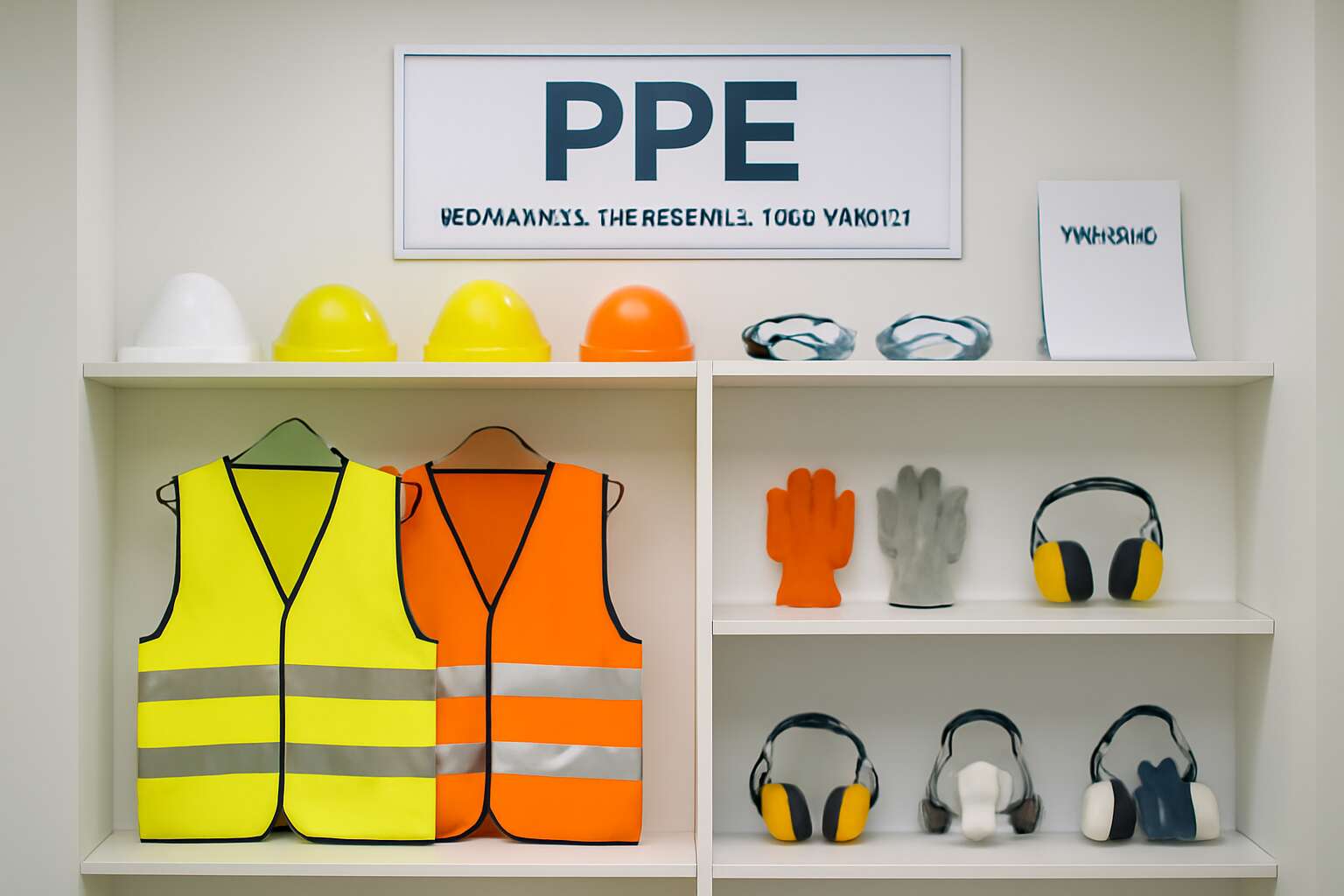
Sourcing safety equipment and choosing suppliers
Evaluating supplier credentials and certifications
On South African worksites, sourcing safety gear is a study in discernment. “If you can’t trust the gear, you can’t trust the day,” a seasoned safety officer reminds the crew, and that sentiment lingers. The search blends performance, compatibility, and service into a single, urgent decision.
Consider credential signals, not glossy brochures:
- Certifications and standards (ISO 9001, ISO 45001)
- Traceable testing reports
- Clear warranties and after-sales support
- Local regulatory compliance and transparent supply chains
Ultimately, evaluating supplier credentials and certifications reveals who stands behind the gear. For South Africa, this means seeking partners aligned with local safety norms, offering clear documentation, and delivering consistent performance. The narrative of a supplier becomes visible through documentation, responsiveness, and accountability in the safety equipment suppliers landscape.
Assessing product range and stock availability
Stock on the floor isn’t glamorous, but it’s gospel on a South African site. A veteran supervisor likes to say, “Trust the stock, and you trust the day!” When sourcing safety equipment, the aim is a supplier who can match your project’s tempo with a broad yet precise product range.
Assessing product range and stock availability means looking beyond glossy brochures. The right safety equipment suppliers offer real-time visibility into what’s in stock, predictable restock timelines, and flexible delivery. A quick check should cover essential PPE, fall protection, respiratory gear, and durable safety footwear.
- Breadth of catalog
- Stock levels and replenishment speed
- Delivery flexibility and regional support
Quality control and testing practices
“Quality is a shield that wears the gear you trust,” a foreman likes to say, and the adage echoes on South African sites. Sourcing safety equipment and choosing suppliers demands a partner who can pace with your project and uphold a safety culture under pressure. Real-time updates of what’s on the shelf, credible testing, and steadfast service are the spine of sound procurement. The right safety equipment suppliers weave reliability into every purchase, not merely glossy brochures.
- Independent testing and certifications
- Batch-level traceability and documented results
- On-site durability verification and field feedback
Quality control and testing practices should read like a pact in the ledger—transparent, rigorous, and ongoing. Look for safety equipment suppliers that expose their QA processes, lab standards, and post-delivery support, rather than distant promises. In this way, you anchor safety to substance, not sentiment.
Pricing, bulk discounts, and lead times
Pricing in the shadowed catalogs of safety equipment suppliers can feel like omen and invitation in one breath. I’ve learned to measure a partner by cadence, not flash; in South Africa, opaque quotes and creeping lead times turn projects into nocturnal trials. Steadfast stock and transparent terms are the true lanterns.
When hunting for pricing, look for bulk discounts and predictable lead times that align with your project phase.
- Transparent pricing with clear discount tiers
- Flexible lead times for bulk orders
- Dedicated logistics and reliable replenishment
The right choice isn’t only the cheapest; it’s the partner whose prices refuse to eclipse safety through delay, whose stock never fades, and whose service binds your crew’s morale to the gear you carry. Procurement becomes a steady compass.
Compliance and safety standards for procurement
OSHA and EU standards overview
“Compliance is a culture, not a checkbox,” says a veteran safety officer, and in South Africa’s bustling warehouses that culture saves more than time—it saves people. OSHA and EU standards shape every step of procurement, from how PPE is labeled to how it’s tested and traced. This overview keeps risk transparent and products auditable, turning boxes into certifiable protectors rather than decorative props on a shelf.
- OSHA 29 CFR 1910 and 29 CFR 1926 PPE requirements
- EU CE marking and harmonized EN standards (e.g., EN 149, EN 166, EN 388)
- Labeling, testing, and documentation that enable traceability from safety equipment suppliers
When in doubt, the right standard becomes a conversation starter that protects workers and streamlines audits, without turning procurement into a labyrinth of red tape.
Material and PPE compliance checks
Warehouses across South Africa pulse like citadels, and the real armor is the system behind it. Compliance is a culture, not a checkbox, and the right safety equipment suppliers weave procurement into a shield. When labeling, testing, and traceability are baked into every order—tempered by SABS-accredited standards—the risk vanishes like fog, and audits glide like ships through a quiet harbour.
Consider these anchors in every purchase:
- Clear conformity certificates and labeling that remain legible in transit
- Traceable lot numbers and documentation for every batch
- Documented testing results and supplier compliance statements
- Responsive after-sales support and ongoing product stewardship
Ultimately, safety equipment suppliers become guardians in a local safety saga; they translate distant, global standards into practical protections that workers can feel. From Durban to Bloemfontein, cohesive procurement reduces risk and keeps workers safe—and that is the true measure of compliance.
Certification documents and traceability
Compliance is a culture, not a checkbox, and for safety equipment suppliers, certification documents and traceability are the backbone. Clear labeling, lot-based documentation, and tests aligned with SABS-accredited standards keep the chain honest and the audits calm.
- Clear conformity certificates that stay legible in transit
- Traceable lot numbers and batch documentation
- Documented testing results and supplier compliance statements
- Responsive after-sales support and ongoing product stewardship
Across South Africa, these standards turn into practical protections workers feel; guardians in a local safety saga emerge as champions of procurement. From Durban to Bloemfontein, cohesive ordering reduces risk and keeps workers safe—and that is the true measure of compliance.
Audit and supplier qualification processes
Procurement in safety is a high-stakes verdict. Across South Africa, the right audit trail and a disciplined supplier qualification process transform risk into readiness. Compliance becomes more than a sign-off; it is a culture that travels with every shipment and every performance review with safety equipment suppliers.
- Comprehensive supplier qualification scoring and on-site validation
- Transparent audit trails with readily accessible documentation
- Third-party verifications and performance-based reviews
- Robust corrective action tracking and continuous improvement cycles
From Durban to Bloemfontein, these standards turn safety into everyday protection—guardians of procurement watching over every shipment, upheld by safety equipment suppliers.
Buying guides for different industries
Construction and industrial sectors
Across South Africa’s bustling construction yards and rugged industrial floors, safety equipment suppliers shape more than gear—they shape confidence. As one veteran safety officer puts it, “Gear is the last line of defense before the ground.” When PPE fits, work moves with less friction and more focus, even on long shifts under harsh sun or in dusty corridors. This buying guide for different industries focuses on how equipment serves the task, not how it looks on the shelf, turning hazards into manageable rhythms.
- Fit, comfort, and easy maintenance for extended wear
- Environment-specific design for dust, heat, chemicals, and noise
- Workflow compatibility and reliable replenishment to keep teams moving
On every site, safety equipment suppliers stitch function to safety, turning ordinary shifts into something steadier and more humane.
Healthcare and lab environments
Across South Africa’s healthcare wards and lab benches, precision is everything. As one hospital infection-control lead notes, “Protection is the quiet backbone of every shift.” The right gear makes patient care safer and staff more confident, turning anxious routines into steady, predictable workstreams. safety equipment suppliers understand the rhythm of clinics, operating theatres, and bio-containment zones, delivering gear that fits and lasts from dawn to last call on night shift.
- Gowns, sterile scrubs, and lab coats tuned for quick changes
- Eye, face, and respiratory protection designed for easy decontamination
- Gloves, footwear, and cleanroom PPE that withstand routine sanitization
From carts to clean rooms, replenishment must be reliable, and safety equipment suppliers align with hospital logistics to keep teams moving.
Oil, gas, and energy
In South Africa’s oil, gas, and energy corridors, the right kit starts the day with confidence. A clear majority of on-site incidents trace to equipment gaps, and safety equipment suppliers serve as the quiet shield behind every rig, refinery, and offshore platform. From flame-resistant coveralls to gas detectors, the right gear shifts outcomes as dramatically as a storm at sea.
Buyers in this sector seek gear that endures heat, corrosion, and pressure, while staying aligned with rugged maintenance cycles and South African regulatory expectations. A strong supplier partner combines field-ready stock, clear warranties, and responsive service to keep critical lines flowing. Considerations go beyond price—look for durability, calibration cadence, and reliable after-sales support.
- Onshore and offshore compliance with regional and international standards
- Durability and performance under heat, corrosion, and high pressure
- Replenishment reliability and after-sales service
Food processing and public safety
Across South Africa’s bustling work sites, a single misstep can derail a shift. About 68% of incidents trace to equipment gaps, a statistic that makes equipment readiness feel heroic—no cape required, just proper gear.
For food processing and public safety, you want gear that survives washdowns, meets hygiene standards, and stays legible under pressure. Look for food-grade materials, easy-clean surfaces, and detectors with clear calibration cadences and dependable battery life.
- Wash-down durability and corrosion resistance
- Food-grade materials and easy-clean designs
- Reliable calibration cadence for detectors
Choosing the right safety equipment suppliers means stock that ships when you need it, clear warranties, and after-sales support that actually shows up. In food processing and public safety, the right partner keeps compliance tight and downtime minimal.
Online versus local PPE suppliers: pros and cons
Online marketplaces and direct manufacturers
The aisles of possibility are widening in South Africa, as online shopping reshapes how projects stay on track. A veteran safety officer quips, “the right gear at the right moment saves lives.” In this climate, safety equipment suppliers span online and local channels.
- Wide range and fast access
- Spotty documentation quality
- Variable service levels post-purchase
Direct manufacturers offer customization and tight traceability, ideal for specialist PPE. Local distributors add nearby support and faster returns, valuable on site. In South Africa, import costs and regional stock shape how appealing each path feels.
Local distributors and value-added services
“The right gear at the right moment saves lives,” a veteran safety officer whispers, and in South Africa the PPE landscape mirrors that truth. Online marketplaces unfurl vast aisles of possibility, with speed and breadth that can outpace the dawn. I watch the online cart glow while a local representative circles like a sentinel, whispering that documentation can drift and post-purchase service falter on a long coastline of logistics. For safety equipment suppliers, the choice between online and local channels can tilt the balance between project certainty and creeping doubt.
- Speed and breadth from online platforms
- Nearby support, faster returns, and hands-on help from local distributors
- Value-added services: on-site checks, training, and tailored equipment audits
In South Africa, import costs and regional stock shape how appealing each path feels.
Delivery, returns, and after-sales support
In South Africa, the rhythm of on-site work and urgent deadlines makes speed feel sacred. A veteran safety officer whispered, “Speed is safety,” and that line lands with weight. Online safety equipment suppliers promise breadth and instant dispatch, turning a click into a delivery corridor that can outpace the dawn. Yet that glow can fade when regional logistics slow the last mile and post-purchase support feels distant.
Delivery, returns, and after-sales support sit at the center of the choice, and the flow isn’t always graceful:
- Delivery speed versus reliability
- Returns and exchanges processed efficiently
- After-sales responsiveness when questions arise
Local distributors bring a different cadence—closer stock and a sentinel-like presence that navigates paperwork and local regulations. For safety equipment suppliers in SA, weighing online breadth against local proximity can tilt project certainty toward one path or another, especially where import costs and regional stock shape the feel of every order.
Warranty, training, and usage resources
In South Africa, on-site work moves to a drumbeat of tight deadlines; a veteran safety officer whispered, “Speed is safety.” Online safety equipment suppliers promise instant dispatch and a breadth that can outpace dawn, yet that glow fades when regional logistics stumble and post-purchase support feels distant. The choice carries a paradox: speed or reliability.
Online platforms offer clear advantages:
- Breadth of stock and fast dispatch
- Clear warranties and easy returns
- 24/7 online support
Local distributors provide a different cadence—closer stock, simpler paperwork, on-site training, and quicker warranty handling.
Ultimately, the balance of online breadth against local proximity shapes the certainty of every order, beyond the shimmer of checkout buttons.

0 Comments