Personal Protective Equipment and Protective Gear
Overview of personal protective equipment (PPE)
On the factory floor, safety is a rhythm, not luck. In South Africa, a lapse costs more than wages—it’s a life and a line I have seen cut short. PPE tells that truth with quiet authority: a disciplined gearset that turns risk into routine and fear into focus. The safety equipment used in industry acts as both shield and instrument, guiding hands and minds toward safer outcomes.
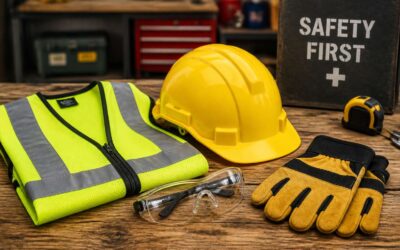
From helmets that crown a worker’s head to gloves that cradle heat and grit, protective gear is a verse written in fabric, metal, and breath. Here is a panorama of what shields a workforce!
- Hard hats
- Safety glasses or face shields
- Hearing protection
- High-visibility clothing
- Respiratory protection
- Protective footwear
- Gloves
I have watched these pieces stand watch through shifting light and sound, quietly preserving momentum in moments of pressure.
Head protection and helmets
On the factory floor, head protection is more than gear—it’s a vow. In South Africa, the cost of a lapse isn’t counted in wages, but in lives and lines that stop. This is safety equipment used in industry that turns risk into routine and fear into focus, crown and instrument woven into every hour of work.
Head protection and helmets bear witness through shifting light and noise. This is where choice meets responsibility. Consider these elements when selecting head protection:
- Hard hat shell and energy-absorbing liner
- Adjustable suspension and headband for a snug fit
- Impact resistance and shell material designed for harsh environments
- Chin strap and secure fit to prevent displacement
A properly fitted hard hat becomes more than protection; it is a disciplined companion that keeps momentum in the fiercest moments.
In the rhythm of a safe shift, the helmet is a quiet witness—more than protection, a decision to keep going.
Eye and face protection
In South Africa’s factories, safety equipment used in industry isn’t an accessory—it’s a shield for sight. Sparks dance and glare cuts through the air like a verdict; protect your vision, and you keep the story going.
Eye protection spans safety glasses, goggles, and face shields. They’re not just lenses; they are wards against the unseen. The landscape includes three main families—each offering different optical clarity and protection—and compatibility with head protection matters. I’ve watched shifts run smoother when eyewear fits snugly and fog stays at bay.
- Anti-fog performance and clear optics
- Impact resistance and lens strength (polycarbonate)
- Secure fit that works with other PPE
In the heartbeat of a safe shift, eye and face protection keeps watch without noise—protecting more than sight, it preserves momentum.
Hearing protection
Noise is the unspoken boss of the factory floor, and in South Africa, safety equipment used in industry becomes the loyal bodyguard for our hearing. Statistics remind us that hearing loss is a leading work-related ailment, a risk we curb with sensible protection and disciplined use. When the siren wails, I’ve learned, quiet answers louder—preserve the momentum of a safe shift.
- Earmuffs with a strong noise reduction rating for overhead din
- Disposable foam earplugs for quick, one-size-fits-all protection
- Custom-molded plugs or canal caps for long shifts and precise fit
From my experience, when properly fitted, these devices ride beneath helmets and alongside communication tools, yielding compliance without cramping the moment. In the choreography of PPE, hearing protection is the quiet partner that keeps teams alert and production steady.
Gloves and hand protection
Hands keep the factory honest, and in South Africa, hand injuries consistently rank among the top three work-related ailments. The solution isn’t bravado but proper safety equipment used in industry—quiet, precise, indispensable.
Gloves truly are the second skin of protection, chosen for grip, dexterity, and the realm they must endure. Nitrile shields chemical splash and puncture; Kevlar-lined leather resists cuts and abrasion; latex-free vinyl protects sensitive skin. The right hand gear lets skilled work flow with confidence.
- Nitrile for chemical resistance and reliable grip
- Kevlar-lined leather for cut and abrasion protection
- Latex-free vinyl for sensitive skin
Fit and maintenance complete the equation, turning PPE into a trusted ally rather than a hindrance on the line.
Foot protection and safety footwear
Foot protection is a cornerstone of safety equipment used in industry. In South Africa’s demanding workshops, sturdy safety footwear is less a fashion choice and more a lifeline. The right boot blends toe defense, midsole protection, and all-day comfort, standing up to oil, grit, and wet floors. Options range from steel to composite toes, with puncture-resistant soles and dependable slip resistance—crucial features on busy factory floors and construction sites alike.
To keep that protection reliable, fit and design matter as much as material. A well-chosen boot reduces fatigue and supports ankles when stairwells and conveyors demand precision. Consider footwear with appropriate electrical hazard ratings, anti-slip tread, and water resistance. Key attributes to note include:
- Toe protection type (steel, alloy, or composite)
- Puncture-resistant midsole
- Slip resistance with electrical hazard rating
Active Safety Systems and Monitoring
Fall protection systems and harnesses
One in three workplace injuries involve a fall, and your coffee break isn’t a cure. Even on South African sites, active safety systems patrol the floor with real-time monitoring, smart alarms, and interlocks that nudge you away from danger before you test gravity’s patience. They act like a vigilant buddy who never forgets your safety badge.
When it comes to monitoring fall protection, harnesses and anchor systems are the unsung heroes. Modern harnesses fit like a glove, with quick-connect buckles, comfort padding, and easy inspection points. Pair them with robust anchor points and fail-safe lifelines, and you’ve got a system that catches you without turning your day into a rope comedy.
- Potential for real-time inspection reminders
- Redundant anchorage and dynamic lifelines
- Rescue planning integrated into daily checks
All of this embodies the safety equipment used in industry that genuinely protects workers while keeping the workplace efficient and compliant.
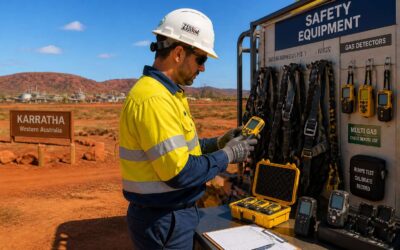
Gas detection and atmospheric monitoring
A silent sentinel hovers above the floor, turning danger into a calculable risk. Gas detection and atmospheric monitoring are the quiet heroes behind every shift, catching toxins and oxygen dips before screens flare into alarms. In South Africa’s demanding industries, active safety systems monitor in real time, trigger fast alarms, and nudge operations toward safe modes before human lungs feel the pinch.
Here’s how the system safeguards workers without turning the floor into a maze of wires:
- Fixed gas detectors that sample air continuously across oxygen, flammable gases, and toxic vapors
- Portable personal monitors for frontline staff on elevated platforms
- Central dashboards and interlocks that auto-pause processes when thresholds are breached
This is safety equipment used in industry—quiet, relentless, and essential—keeping productivity steady while the atmosphere stays safe.
Machine guarding and safety interlocks
Active safety systems in South Africa’s bustling plants watch the floor like seasoned sentries, turning near-misses into actionable data and keeping production humming. They monitor in real time, sounding fast alarms or pausing operations the moment a risk is detected. It’s not drama; it’s disciplined engineering—the quiet proof that safety and productivity can travel the same road!
Machine guarding and safety interlocks are the stalwart gatekeepers, not decorative; they physically bar access to danger and ensure controls won’t fire without consent.
- Fixed guarding and safety enclosures that keep hands off moving parts
- Door and gate interlocks that prevent restart until access is secure
- Emergency-stop devices and safety-rated control circuits for predictable responses
Collectively, these elements form the backbone of safety equipment used in industry, balancing vigilance with everyday efficiency, and letting workers keep their wits—and their jobs—about them.
Emergency stop devices and isolation procedures
Factories breathe in rhythm with the dark iron of machinery. In South Africa’s bustling plants, active safety systems stand as sentries, turning near-misses into data and keeping production humming. We read the floor in real time, sounding alarms or pausing operations the moment risk is detected. We see the floor as a living pulse.
These systems coordinate emergency-stop devices and isolation procedures into a single, disciplined heartbeat. When a ghost of danger appears, energy is cut, locks click, and the line returns only when human oversight approves, not a moment sooner.
- Real-time hazard monitoring from floor sensors
- Automated safe-state transitions on alarm triggers
- Rigid isolation and lockout/tagout protocols
Such orchestration reduces downtime; studies show downtime reductions up to 30%. In short, safety equipment used in industry keeps minds sharp and machines obedient.
Proximity sensors and wearable safety tech
On the factory floor, risk glows like a night-time beacon: a plant I know cut near-misses by 40% after embracing active safety systems that watch your every move.
These systems fuse monitoring proximity sensors with human-centric wearables, triggering a safe-state the moment a dangerous approach is detected. I’ve watched workers glow with relief as bands glow softly in the dim, their steps mapped in real time, turning noise into knowledge and hesitation into precaution.
- Proximity sensors that map worker and machine clearance
- Wearable safety tech that alerts for fatigue, location, or unsafe posture
In this quiet choreography, the safety equipment used in industry becomes a constant partner, turning risk into routine and guiding South Africa’s plants through the day’s rhythm.
Regulatory Standards and Compliance
Occupational safety regulations and standards (OSHA, local equivalents)
Compliance is the quiet currency of uptime in South Africa’s factories. “Safety is a culture, not a checklist,” proclaims a veteran safety officer, and that line lands with hammer-blow clarity. Regulatory standards shape the daily rhythm on the shop floor, keeping safety equipment used in industry primed when it matters most.
Regulatory standards and compliance anchor every operation. OSHA and local equivalents set the baseline for training, documentation, and audits. In South Africa, the Occupational Health and Safety Act (OHS Act) and General Safety Regulations govern most non-mining industry, while the Mine Health and Safety Act governs mining.
- OSHA and local regulators (and how they map to national law)
- South Africa’s Occupational Health and Safety Act (OHS Act) and General Safety Regulations
- Mine Health and Safety Act (MHSA) for mining operations
These rules funnel into procurement, inspection intervals, and recordkeeping—turning compliance from a nuisance into a backbone of productivity. When standards are honored, operations run with quiet reliability and professional swagger.
Certification and testing of equipment
Compliance is the quiet engine of uptime, the hum behind every productive shift. “If it’s not tested, it’s a risk you’ve chosen to carry!” a veteran safety officer reminds us, and that line lands with hammer-blow clarity. In South Africa, safety equipment used in industry stands or falls on certification, documentation, and audits that translate compliance into real-world reliability.
Certification and testing flow through procurement and maintenance like a spine through a body. Third-party labs verify performance, labels, and traceability; regular audits ensure calibration and condition are current; retesting keeps gear honest.
- Durability and impact resistance tests
- Electrical safety and insulation checks
- Functional and endurance testing under simulated conditions
Inspection, maintenance and recordkeeping requirements
Compliance isn’t glamorous, but it’s the backstage crew that keeps the show on the road. In SA, roughly 60% of downtime traces back to overdue inspections and gaps in calibration. “If it’s not checked, it’s a risk you’ve chosen to carry,” a veteran safety officer reminds us—hammer-blow truth in a single line.
Regulatory standards and compliance inspections shape procurement, maintenance, and accountability. OSH Act interpretations and manufacturer directives set the bar, while labeling and traceability keep every piece of safety equipment used in industry auditable.
- Asset registers with serials and location
- Inspection and maintenance logs
- Calibration certificates and test dates
- Retirement and replacement records
Audits and third-party testing keep the system honest, with re-testing intervals and document reviews translating compliance into real-world reliability.
Standards for electrical and chemical safety equipment
In South Africa, regulatory audits can halt a production line faster than a blown fuse. The safety of workers hinges on how well electrical and chemical safety equipment aligns with standards. The OSH Act interpretations frame the baseline, while SANS and IEC standards translate risk into measurable performance. Manufacturer directives and clear labeling ensure every item remains auditable from factory floor to the control room.
Electrical gear must meet criteria for insulation, voltage withstand, and ingress protection, while chemical safety equipment is rated for solvent resistance and containment. The safety equipment used in industry must also carry clear labeling, robust traceability, and up-to-date certification documents. Third-party testing and periodic re-certification turn regulatory language into reliable performance on the shop floor.
That conformance trail keeps workers safer, investors confident, and regulators satisfied—soft power in a hard industry!
Audits and compliance reporting
In South Africa, a single compliance audit can pause a production line faster than a blown fuse. Industry watchdogs report that more than 60% of inspections end with corrective actions, a reminder that risk isn’t just numbers—it’s the rhythm of workers moving through the shop floor.
Regulatory standards define what must be captured and reported: audit trails, certification documents, and safety equipment used in industry. Third-party testing, periodic re-certification, and traceability form the backbone of transparent compliance that regulators, investors, and workers trust.
- Audit findings and non-conformities
- Corrective action timelines and status
- Certification validity and renewal reminders
That trail of records keeps the line safer and the ledger honest, turning paperwork into peace of mind.
Industry-Specific Safety Equipment
Construction and infrastructure safety gear
Across South Africa’s busiest construction corridors, sites that embrace industry-specific safety gear report up to a 30% drop in injuries and near-misses. The right construction and infrastructure safety gear turns risk into routine and transforms a chaotic workday into a measured, safer operation.
Beyond standard PPE, essential gear supports flow and space management on-site. Consider temporary guardrails, trench shoring, and clearly marked work zones that guide crews like constellations in the veld.
- Temporary guardrails and toe boards
- Trench shoring and shoring panels
- Site-wide safety signage and barrier tape
- Traffic management devices for work zones
These measures integrate with safety equipment used in industry to protect crews while keeping projects on track.
Manufacturing floor protective equipment and guarding
Factory floors can be a theatre of momentum and risk, but the right floor protective equipment and guarding turn chaos into choreography. In South Africa, facilities that install robust edge protection, anti-slip coatings, and guarding barriers report up to 25% fewer injuries and near-misses—the kind of stat that makes managers rest easier at night. This is more than protection; it’s a safeguard that keeps projects on schedule while the plant hums.
- Floor mats and anti-slip coatings
- Edge protection for platforms and mezzanines
- Guard rails, gates, and interlocked barriers
- Cable protection and floor cord covers
Together, these elements form a resilient on-site safety fabric that dovetails with other controls. For manufacturers, this safety equipment used in industry translates to reliability and predictable uptime, reducing bottlenecks and keeping lines moving even when pressures rise. That synergy keeps plants running, audits light, and workers calm.
Oil, gas and petrochemical site safety gear
Oil, gas and petrochemical sites in South Africa hum with energy and risk. This is safety equipment used in industry built to endure heat, solvents, and volatile atmospheres, turning potential disasters into manageable incidents.
Intrinsically safe gas detectors, flame-resistant coveralls, explosion-proof lighting, and non-sparking tools are not optional extras—they’re the quiet guardians that let crews move with confidence through dense pipelines and busy manifolds.
- Gas detection and continuous monitoring
- Explosion-proof electrical gear and lighting
- Non-sparking tools and corrosion-resistant PPE
With this gear on, maintenance windows stay tight, audits stay clean, and the plant breathes easier, even when pressures rise.
Chemical handling and hazmat protection
In chemical handling zones, the silence of good safety gear speaks volumes. More than 80% of hazmat incidents could be mitigated with the right protective equipment, so teams deserve gear that stands up to vapours, splashes, and stubborn solvent residues. This is where safety equipment used in industry becomes practical armour—Level A protective ensembles, powered respirators, and chemical-resistant boots that don’t blink at a spill.
Beyond basic PPE, consider the following essential kit that keeps decontamination and containment processes smooth:
- Level A/B/C chemical protective ensembles
- Powered air-purifying respirators (PAPR) or SCBA
- Chemical-resistant boots and splash protection
- Portable decontamination showers and eyewash stations
- Spill control kits with sorbents and neutralisers
Electrical utility and high-voltage PPE
Across South Africa’s electrical utilities, the right gear slashes high-voltage injuries by more than 60%, turning near-misses into safer futures. For teams in the field, safety equipment used in industry isn’t decorative; it’s practical armor. When a conductor sings with energy, the correct ensemble keeps the current’s bite from turning a moment into misfortune.
- Arc-rated insulating gloves and leather protectors
- Voltage-rated boots with sturdy, non-slip soles
- Arc-rated face shields or helmets for face and eyes
- Insulated tools and anti-static mats
- Flame-resistant coveralls and outerwear
Local standards shape every choice, from fabric to inspection rituals, ensuring these elements perform when the grid hums brightest. In the South African context, trained crews and proper gear turn high-energy tasks into controlled performances.
Aviation, maritime and heavy industry safety gear
Across South Africa, aviation and maritime crews have seen high-risk incidents drop by more than 20% after standardising safety gear. A tidy kit is a force multiplier on a busy shift, turning potential chaos into controlled operations.
The safety equipment used in industry varies by field but shares a single aim: rapid response, reliable performance, and easy inspection. In aviation, flame-retardant coveralls and radio-friendly gloves meet the demands of quick movement and clear communication! In maritime work, immersion suits, PFDs, and anti-slip deck boots guard against wet decks and sudden immersion. In heavy industry, rugged respiratory protection and reinforced flame-resistant outerwear stand up to harsh conditions.
- Aviation: flame-retardant flight-line gear with hi-vis visibility and dielectric gloves
- Maritime: immersion suit, life jacket with beacon, non-slip deck boots
- Heavy industry: rugged respiratory protection and reinforced flame-resistant outerwear
These ensembles form the armor crews rely on when the grid hums brightest.


0 Comments