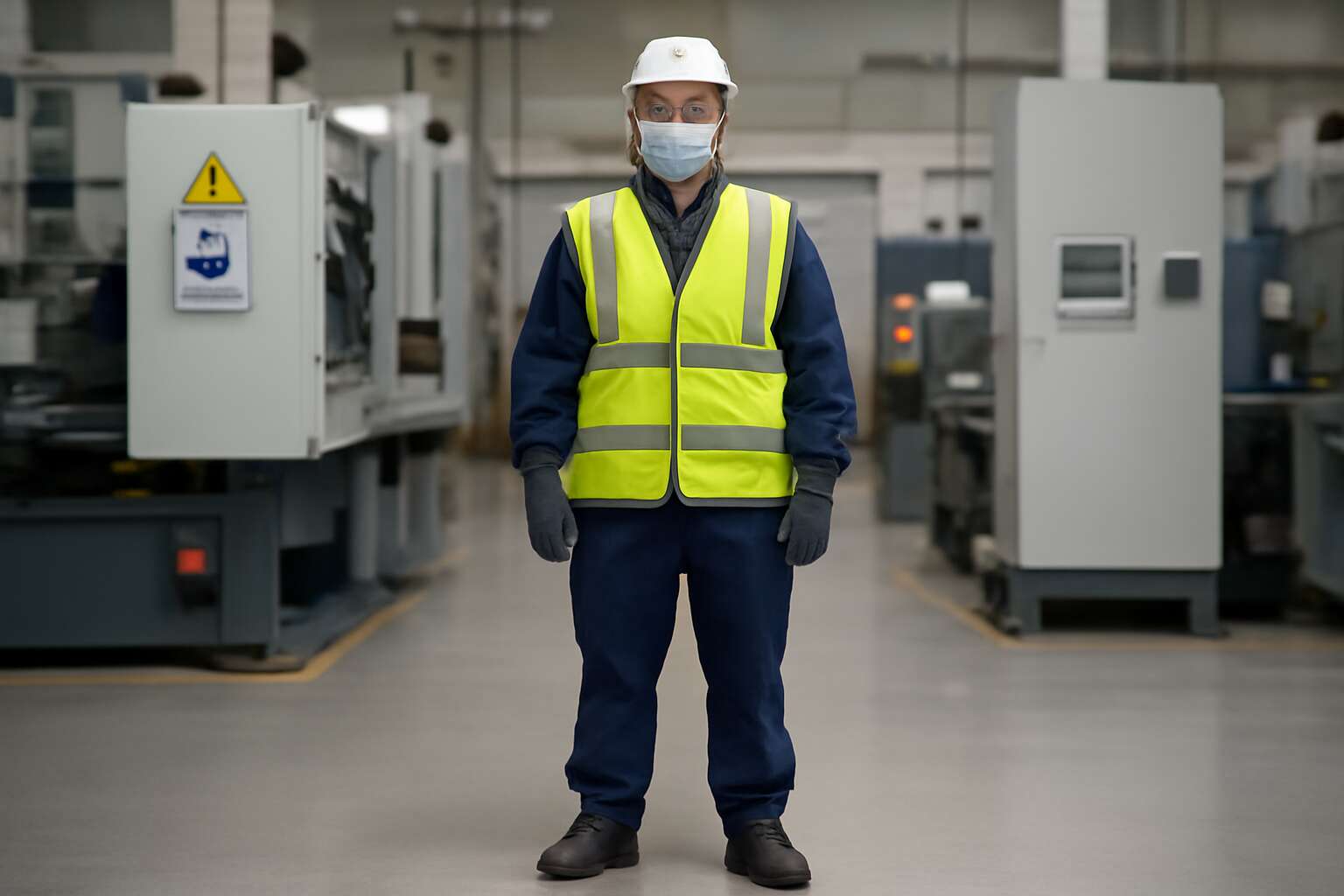
PPE fundamentals and safety principles
Importance of PPE in modern workplaces
On South Africa’s factory floors, every step matters. Studies show that when proper PPE and safety practices are in place, injuries drop by up to 60 percent. This is the era of ppe and safety being non-negotiable, shaping how teams move through a shift with focus and confidence.
Fundamentals start with fit, function, and maintenance. Consider these essentials.
- well-fitting gear chosen for the task
- regular inspection and timely replacement
- cleaning, storage, and safe disposal
Beyond gear, safety principles hinge on risk awareness and continuous learning. Pre-task checks, near-miss reporting, and trained supervision elevate daily practice across South African workplaces, turning caution into a shared habit that saves minutes—and lives.
Key safety principles and hierarchy of controls
On South Africa’s factory floors, a single moment of oversight can rewrite a shift. Injuries drop by as much as 60 percent when PPE is worn and safety practices stay in rhythm. This is the era of ppe and safety, where each glove earns its keep.
Fundamentals begin with fit, function, and maintenance—the quiet triad that makes gear speak. Consider these pillars:
- Eliminate hazards at the design or process level
- Substitute with safer materials or methods
- Engineer controls to isolate or reduce exposure
- Administer policies that shape routines and supervision
- Provide PPE as the final layer of defense
Beyond gear, safety principles hinge on risk awareness and continuous learning. Pre-task checks, near-miss reporting, and trained supervision elevate daily practice across South African workplaces, turning caution into a shared habit that saves minutes—and lives. We move as one, weaving vigilance into every shift.
Fundamental PPE selection criteria
On South Africa’s factory floors, a single moment can rewrite a shift. Injuries drop by as much as 60 percent when PPE is worn and safety practices stay in rhythm. The era of ppe and safety is not merely gear—it’s a living discipline, where each glove, boot, and visor earns its keep by supporting people through a demanding day.
Fundamentals take shape through fit, function, and maintenance—the quiet triad that lets gear speak in action. Consider these pillars:
- Proper fit and comfortable wear across shifts
- Protection level aligned with task and compatibility with other gear
- Regular inspection and timely maintenance to preserve integrity
Beyond gear, the ethos of risk awareness and continuous learning keeps ppe and safety at centre stage. Pre-task checks, near-miss reporting, and trained supervision turn cautious habits into daily practice that protects lives and minutes alike.
Training and user acceptance of PPE
On South Africa’s factory floors, a single moment can tilt a shift from steady progress to a pulse-raising headline. ppe and safety aren’t mere kit; they’re a living discipline. The quiet triad—fit, function, maintenance—lets gear speak when the work heats up. Think snug gloves, stable boots, and visors that stay clear in the glare—comfort is productivity, I’ve found!
Training and user acceptance keep that discipline real. A simple trio makes the difference:
- Pre-task checks that become second nature
- Near-miss reporting that actually travels up the chain
- Trained supervision that reinforces safe habits
When these elements are baked into the daily rhythm, safety culture becomes second nature—protecting people, time, and the bottom line.
PPE types and selection guidelines
Head and face protection essentials
“Safety is not a slogan; it’s a shield you wear.” Across South Africa’s busy sites, the right head and face protection turns a near-miss into a morning-well-spent habit. When PPE and safety become ritual, teams move with confidence and care.
Head protection essentials include safety helmets for impact, lightweight bump caps for lower-risk tasks, and face shields or shielded goggles for splashes and dust. Choose materials that resist heat, UV, and chemicals, with comfortable padding and secure adjustment to fit snugly during long shifts. The aim is ppe and safety that travels with you.
To guide choices, consider these practical guidelines:
- Hazard type and environment: impact, splash, heat, or dust exposure.
- Standard conformance, fit, and compatibility with eyewear.
- Comfort, padding, ventilation, and secure adjustment.
- Maintenance, inspection, and cleaning routines.
Respiratory PPE selection and fit testing
Breath is the first shield in ppe and safety, and on South Africa’s bustling job sites a respirator choice can turn a near miss into a moment of watchful calm. Respiratory PPE spans disposable filtering masks, elastomeric half- or full-face respirators, powered air-purifying respirators, and even air-supplied hoods. Selection hinges on hazard type—dust, fumes, vapors, or oxygen-deficient atmospheres—and on fit testing to confirm a true seal. Comfort, compatibility with eye protection, and a secure, adjustable harness round out the essentials.
- Hazard-specific protection and environment
- Seal integrity and fit testing results
- Eyewear compatibility and comfort for all-day wear
Respiratory PPE is a cornerstone of credible workplace safety; it demands thoughtful selection and continual evaluation rather than a one-off choice.
Hand and skin protection standards
On South Africa’s job sites, hand injuries cost employers millions each year! A practical approach to hand and skin protection blends practical PPE with comfort and fit. The goal is to reduce exposure to cuts, chemicals, and wear-and-tear, while keeping dexterity intact.
- Gloves for chemical splash and abrasion resistance
- Protective sleeves and arm coverings
- Protective coats or aprons for forearms and wrists
- Barrier creams as a skin-care adjunct
Selection hinges on hazard type, material compatibility, breathability, and a comfortable fit. In the end, ppe and safety hinge on ongoing evaluation and appropriate standards alignment, with an eye on worker comfort and productivity.
Eye and hearing protection compatibility and comfort
On South Africa’s noisy job floors, a single moment can etch blindness or silence into a worker’s life. ppe and safety demand eye and ear protection that blends steadfast barrier with human comfort. Eyewear should resist splashes and fog, while hearing protection guards the workplace’s quiet symphony.
- Eye protection: safety spectacles, splash goggles, anti-fog lenses
- Hearing protection: earmuffs or plugs tuned to noise levels
- Comfort and compatibility: headbands, seals, and helmet interfaces must coexist with other PPE
Selection hinges on harmonising protection with comfort, ensuring compatibility with other PPE, and respecting the rhythms of a long shift. When eye and hearing gear feels natural, workers stay focused and safety stays intact—ppe and safety becomes a seamless ritual rather than a burden.
Industry-specific PPE considerations
Construction site PPE best practices
Construction sites in South Africa wear their hazards like a badge of honour—hot sun, red dust, and the drumbeat of heavy machinery. A veteran site supervisor likes to say, “PPE is culture, not costume”—and the point lands with a clang. Industry-specific PPE considerations demand ensembles that endure climate and culture, not fashion. The conversation shifts from generic gear to purpose-built protection that blends comfort with compliance, because ppe and safety are daily tools, not decorative add-ons.
On site, fitting, durability, and cross-compatibility matter more than any one-piece glamour. A few broad categories guide selection (without turning into a procedural checklist):
- Head and eye protection suited to concrete and debris
- Protective footwear designed for harsh terrain and chemical spillage
- Hand and forearm options for vibration and abrasion
- Respiratory and hearing protection balancing comfort with long shifts
Healthcare and clinical PPE protocols
In South Africa’s bustling clinics, where the pulse of care meets sterile corridors, ppe and safety walk as trusted companions. A nurse once whispered that a correctly sealed gown is more than fabric—it is consent for safe patient care. In healthcare, the stakes are intimate and immediate: contamination travels as swiftly as a rumor, but so can protection when PPE is chosen for durability, comfort, and compatibility with long shifts and layered procedures.
In this realm, the fit and form of gear must honor the patient and the clinician alike. The core ensemble spans glove, gown, mask or respirator, eye protection, and footwear that can withstand wet environments and daily scrubs cycles.
- Gloves (nitrile preferred for sensitivity)
- Fluid-resistant gowns
- Surgical masks or respirators
- Eye protection or face shields
- Non-slip footwear or overshoes
Healthcare environments thrive when PPE is a quiet constant, balancing protection with comfort—an evergreen ritual that supports calm, capable care across South Africa’s diverse clinics.
Manufacturing and warehouse PPE requirements
On South Africa’s factory floors, where the clang of pallets meets the hum of conveyors, ppe and safety are not afterthoughts—they are the tempo of production. In manufacturing and warehouse settings, gear must endure long shifts, dust, and rapid task changes. A well-chosen kit blends durability with comfort, so workers stay alert from dawn to dusk.
Key industry-specific considerations include the following essentials:
- Durable, grip-friendly hand protection
- Anti-slip, protective footwear with optional metatarsal reinforcement
- High-visibility garments and head protection where dictated by the task
- Noise-reducing hearing protection for echoing halls
- Eye/face safety gear and splash shields for grinding and spray tasks
- Respiratory protection for dusty processes or chemical vapors
Maintenance and fit are ongoing commitments, with routine inspection, cleaning, and replacement schedules. This approach to ppe and safety keeps SA manufacturing lines flowing with confidence and care.
Food processing and regulatory PPE considerations
On a South African food processing floor, a single contamination breach can trigger a recall that costs millions. In this climate, ppe and safety aren’t afterthoughts—they’re the recipe for trust and uptime.
Food processing demands gear that withstands heavy washdowns, resists cross-contamination, and keeps workers comfortable during long shifts. Hair restraints, lint-free gloves, non-slip footwear, and cleanable coats aren’t luxuries; they’re everyday tools that protect product and people alike.
- Food-grade, lint-free gloves and hair/beard restraints
- Non-slip, washable footwear and easily sanitizable coats or aprons
- Materials designed to withstand frequent sanitizers and temperature changes
- Supplier certifications, lot tracing, and regulatory PPE documentation
PPE compliance, maintenance, and safety culture
Regulatory standards and certifications
Across South Africa’s bustling workshops, one safety truth shines brighter than the forge: when PPE compliance becomes a daily habit, incidents fall by about a quarter. This is the compass for ppe and safety in modern workplaces, guiding teams to treat protection as part of the fabric of work. The floor listens as the whistle of caution becomes a habit.
Maintenance is stewardship—not a one-off event. Equipment carries a living warranty when kept in regular inspections, timely replacement; regulatory standards and certifications guarantee devices meet performance thresholds. In this realm, brands bearing SABS marks or international certifications become talismans that reassure workers and managers alike.
A living safety culture grows from leadership, storytelling, and shared accountability; it is the quiet heartbeat of the plant, guiding choices even when the shift ends and the lights are low.
PPE inspection, maintenance, and replacement schedules
In South Africa’s busy workshops, a simple habit shapes outcomes: PPE compliance woven into every shift. When routine checks occur, incidents fall by about a quarter, and ppe and safety become second nature rather than a burden.
Maintenance is stewardship—not a one-off event. Regular inspections and timely replacement keep equipment performing, turning a warranty into lived reality. Leadership shapes this through stories of reliability and shared accountability, so protection remains the quiet engine of every shift.
Consider these high-level elements that keep PPE inspection, maintenance, and replacement schedules humming in harmony with ppe and safety goals:
- Regular inspections aligned with shift patterns
- Maintenance windows and transparent records
- Clear replacement schedules based on wear and performance
A living safety culture grows from leadership, storytelling, and shared accountability; it is the quiet heartbeat of the plant, guiding choices even when the shift ends and the lights go low.
Recordkeeping and incident reporting related to PPE
Routine PPE checks slash incidents by about a quarter in South Africa’s busy workshops, turning protection into a habit rather than a headache. When ppe and safety become second nature, slips become stories of the past and every shift runs with cleaner, quieter confidence.
Maintenance is stewardship, not a one-off event. Regular inspections and timely replacements keep gear performing and morale high. Recordkeeping and incident reporting related to PPE knit a transparent safety fabric across the plant, guiding decisions with real data rather than guesswork.
- Consistent inspection logs aligned to shift patterns
- Transparent maintenance windows and replacement records
- Clear incident reports tied to PPE usage
A living safety culture grows from leadership storytelling and shared accountability; it is the quiet heartbeat that guides choices long after the shift ends.
Developing a proactive safety culture around PPE
In South Africa’s busiest workshops, routine PPE checks slash incidents by a quarter, turning protection into habit. This is how ppe and safety become a rhythm, not a rule—an everyday whisper that keeps workers alert. When PPE and safety become second nature, a shift runs with cleaner, quieter confidence.
Maintenance is stewardship, not a one-off task. Regular checks and timely replacements keep gear performing and morale high. Meticulous logs and open reporting weave a transparent safety fabric across the plant, guiding decisions with real data rather than guesswork.
A living safety culture grows from leadership storytelling and shared accountability; it is the quiet heartbeat that guides choices long after the shift ends. When leaders model care and workers own outcomes, risk becomes something we notice, then correct without drama.


0 Comments