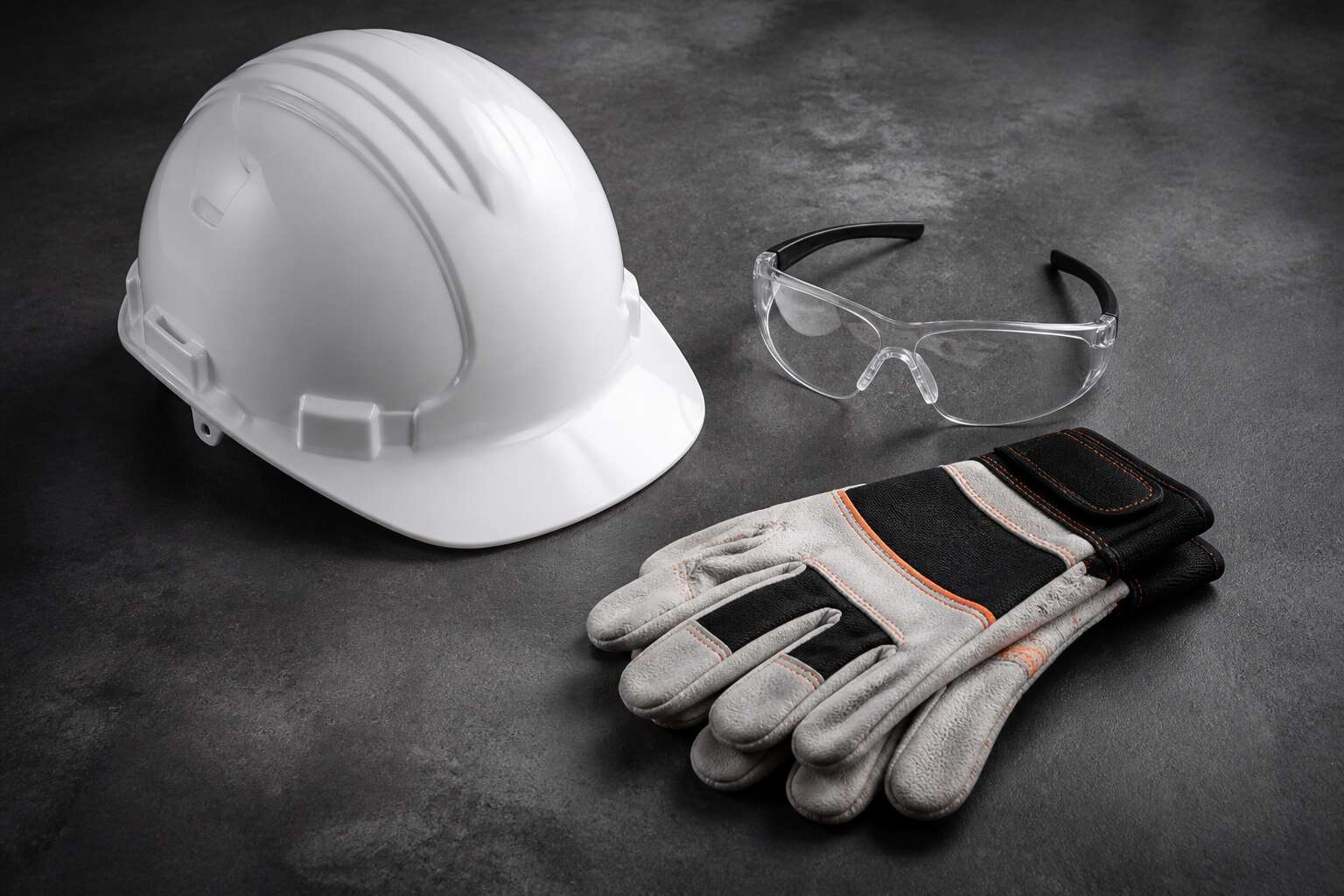
Why High-Resolution Imagery Matters for Safety Equipment
The Impact of Visual Clarity on Product Trust
Consider this: one in three buyers returns safety gear due to misrepresentation from poor photos. That statistic should make any procurement officer sweat. Safety equipment hd photos are not a luxury. They are the difference between trusting a harness and squinting at a shadow.
The impact of visual clarity on product trust comes down to one fact. A buyer must see the exact weave, the precise latch, the honest thickness of the strap. Blurry images force assumptions, and assumptions have no place near a worksite.
What high resolution actually reveals:
- Surface defects like cuts or abrasions.
- Legibility of certification labels.
- Malfunction risks in moving parts.
These details build confidence. When you view safety equipment hd photos, you are not admiring a picture. You are performing a risk assessment.
How HD Photos Enhance User Experience and Engagement
Harsh sunlight, dust, vibrations. That is what safety equipment endures. The photograph that represents it should survive equal scrutiny. Consider how often a buyer leans into a screen, squints at a thumbnail, and moves on. Nobody scrolls past a crisp image!
High resolution changes engagement. A worker comparing two harnesses can:
- rotate the view
- trace the webbing path
- inspect the buckle geometry
The image invites inspection. It rewards curiosity.
I have watched procurement officers pause on a clear photograph, zoom in, study the profile, then place the order. That pause is the product of clarity.
For South African teams, sharper safety equipment hd photos shorten the distance between supplier and site. They turn an unknown product into a familiar tool before the box even arrives.
The Role of Photography in Compliance and Training
Compliance officers rarely have the luxury of inspecting every harness on every site. They rely on documentation. A grainy photograph hides frayed stitching. A sharp one exposes it. Safety equipment hd photos serve as forensic evidence in training rooms and audit files.
Consider the value during induction. New workers must recognise wear patterns before they trust their lives to a lanyard. I have watched trainers pause on a single frame, magnify a worn carabiner, and the room goes quiet. The risk becomes visible.
For record keeping, clarity matters:
– Date-stamped images validate inspection trails
– Zoomable details support incident investigations
– Consistent angles reveal gradual deterioration
In South Africa, where remote sites delay physical audits, safety equipment hd photos make verification possible from an office.
Essential Types of Safety Equipment to Showcase
Personal Protective Equipment Photography
In South Africa, over 2,000 workers suffer fatal injuries annually, a number that demands we look closer at the gear meant to protect them. We cannot separate the tool from its visual truth. A hard hat is not merely plastic; it is a promise. Safety equipment hd photos reveal that promise by freezing the texture of a visor, the tension of a harness strap, or the wear on a glove’s palm. This visual honesty allows us to assess the equipment’s integrity without holding it.
Consider the essential categories that every site should feature in its visual library:
– Head protection, including helmets and bump caps.
– Eye and face shields, from goggles to full visors.
– Respiratory masks, capturing the seal and filter detail.
– Hand and foot gear, such as cut-resistant gloves and steel-toed boots.
Each item carries a distinct narrative of risk and resilience. When you photograph these objects with clarity, you invite the viewer to mentally step into the worker’s place. That moment of empathy is powerful. Properly lit and detailed safety equipment hd photos turn a simple product page into a quiet argument for safety, one that speaks to our instinct for survival.
Industrial Safety Gear and Machinery Shots
Walk onto a South African plant floor. The noise hits first, then the gear. Hard hats, visors, respirators, gloves, boots. Each piece carries a story. Photograph them to capture what separates a worker from injury.
Industrial machinery shots demand the same precision. A lathe’s spinning chuck. A conveyor’s steel rollers. I have seen these machines. Showcase with crisp detail and honest lighting. Safety equipment hd photos document the equipment and remind us of the forces it must withstand.
Your visual library needs:
- Head protection: helmets and bump caps.
- Eye and face shields: goggles and full visors.
- Respiratory masks: seals and filter details.
- Hand and foot gear: cut-resistant gloves and steel-toed boots.
Each category shows wear patterns. Scratches on a visor. Compression marks on a boot sole. Safety equipment hd photos expose these details. They tell you whether the equipment can do its job. Where workplace fatalities run stubbornly high, evidence is not optional.
Emergency and Rescue Equipment Visuals
A failed gauge inside a rescue breathing apparatus could cost a life. South African mine rescue teams know this. Safety equipment hd photos capture the exact state of emergency rescue gear, from self-contained breathing apparatus to lifting harnesses. These images reveal cracks, rust on carabiners, and whether a unit holds pressure.
Photograph these items with intention:
- Reel mounted fire hoses with inspection tags visible
- Rescue winches with cable wear patterns documented
- Portable gas detectors with calibration dates in frame
- Stokes baskets with intact restraint systems
I have stood in emergency bays where a simple photograph exposed a failed pressure gauge. Every storage area shows readiness or neglect. A photo of an emergency stretcher with dust accumulation suggests infrequent checks. The last hydrostatic test date on an oxygen cylinder tells its own story. These images train new responders and satisfy compliance audits!
Fire Safety Equipment: Capturing Detail and Function
South Africa’s fire services respond to thousands of structural fires each year. One seized valve can render an entire hose reel useless. Safety equipment hd photos capture the exact state of fire safety equipment, revealing what routine paperwork often misses. The pressure gauge needle, the pin in the extinguisher, the thread on the coupling.
To show function, focus on the physical details. Use a list to guide the eye:
- Extinguisher indicators with their green zones visible
- Hose reel nozzles with any wear or distortion
- Fire blanket casings with seals intact
I have photographed a fire blanket that looked perfect from the front. The side angle showed a tear in the stitching. That single image changed the maintenance schedule. This is why detail matters.
Best Practices for Capturing HD Photos of Safety Equipment
Lighting Techniques for Reflective and High-Visibility Materials
A single glint of light can erase a reflective stripe from an image. Capturing safety equipment hd photos demands a deliberate approach to lighting, especially for high-visibility materials. Manage specular highlights without flattening the texture.
For reflective surfaces, use diffused sources at a 45 degree angle. This angle reduces harsh hotspots while preserving the original glow of the tape or trim. Direct flash often produces blown-out areas! Here are some techniques:
- Position two softboxes opposite each other.
- Adjust exposure to keep the background dark but fibres visible.
- Use a polarising filter to cut glare.
Steady hands matter. I rely on a tripod to minimise shake, allowing lower shutter speed and contrast. When you nail the lighting, the fabric’s silver threads appear as a bright line. That is the mark of professional safety equipment hd photos!
Using Macro Lenses for Intricate Details
Macro lenses expose the intricate features of safety gear. The weave of high-visibility fabric, the microscopic ridges on a buckle. These details demand closeness. In South Africa, harsh industrial conditions make that clarity essential. I prefer a 100mm macro lens for working distance, so the shadow of the camera does not affect the subject.
A narrow aperture like f/11 keeps the entire surface sharp. Manual focus works better, because autofocus hunts for contrast that may not exist on matte materials. A focus rail allows micro adjustments. A single breath can shift the frame.
- A remote shutter release prevents camera shake
- Raw format retains highlight recovery
- A sturdy tripod with a weight hook stabilises long exposures
These practices turn safety equipment hd photos into reliable records. Capturing safety equipment hd photos with macro lenses requires patience, but the resulting images offer measurable proof of every thread and seam.
Incorporating Contextual Settings for Scale and Usage
A safety helmet floating in white space looks elegant, but it says nothing about its place in the world. Set that same helmet on a dusty mining bench, a bent spanner nearby, the Kimberley sun flaring behind it, and suddenly scale and usage become obvious. Context serves as the reference in safety equipment hd photos. In South African workspaces, the environment itself provides a standard that spec sheets cannot.
I rely on familiar objects to establish perspective. A gloved hand gripping a lanyard. A standard brick beside a gas detector. A coil of rope marking the diameter of a lifeline. These props give the image a physical scale. That is the value of context. Shooting the equipment as it will be used produces the most honest safety equipment hd photos. A harness stretched across a scaffold rail provides a different impression than one folded in a case.
Post-Processing to Enhance Clarity and Color Accuracy
No camera sensor reproduces color exactly as the human eye perceives it. Post-processing closes that gap. For safety equipment hd photos, clarity and color accuracy are decided in editing, not at the moment of capture. A calibrated monitor and a neutral grey reference form the baseline. I cannot overstate this. Without them, white balance drifts and high-visibility materials lose their intended hue.
Start with exposure correction. Recover clipped highlights in reflective strips. Address noise reduction while preserving texture. Restraint separates a polished file from an overworked one.
Three adjustments matter most:
- Set white balance with the grey reference.
- Sharpen only the edges and clasps.
- Verify color against the physical sample.
These steps keep the final output honest. Safety equipment hd photos carry a responsibility that other product photography does not; the photograph must match the object’s real condition, especially when compliance decisions depend on the visual record.
Selecting Backgrounds that Complement the Equipment
Choosing a backdrop for safety equipment hd photos feels like picking a suit for a job interview. You want the subject to look sharp, but you also need the details to be unmistakable. A white background might seem like the obvious choice, yet it often creates harsh reflections that wash out the very features you need to highlight. Grey, on the other hand, offers a neutral stage that makes orange vests and yellow helmets pop without competing for attention.
The background should support the item’s purpose, not distract from it. For instance, a fire extinguisher photographed against a plain, matte surface tells the viewer this is a serious tool. The texture and finish of the backdrop matter just as much as the color. A glossy surface introduces unwanted glares, while a textured cloth can add noise to the image.
– Use a neutral grey or matte black for high-visibility gear.
– Avoid busy patterns or bright colors that clash with the equipment.
– Match the background tone to the equipment’s typical environment when needed.
Contextual backgrounds, like a clean workshop wall for a hard hat, add scale without stealing the show. The goal is a clear, honest visual record. When the background is chosen correctly, the safety equipment hd photos become a reliable reference, not just a pretty picture. That is the entire point of the exercise.
Leveraging HD Safety Equipment Photos in Marketing and E-commerce
Optimizing Product Listings with Multiple Camera Angles
A single product image drives up to 80% of a buyer’s first impression, yet many safety equipment listings rely on one flat shot. I have seen how leveraging safety equipment hd photos transforms an ordinary catalogue into a decision-ready showcase. Multiple camera angles give your customer a sense of the item’s true heft, closure mechanism, and strap adjustment points. That clarity reduces returns and builds quiet confidence. For example, a harness benefits from these views:
- Front view with buckles visible
- Rear angle showing attachment slots
- Close-up of the adjustment latch
- Side profile for depth perception
When you compose these angles correctly, safety equipment hd photos do more than inform. They allow shoppers to mentally rehearse using the gear. That rehearsal is what converts browsing into purchase order. Use consistent framing across your entire range to help buyers compare models quickly. Optimize each image file name and alt text with the specific product ID. This approach keeps your listings sharp and your customers assured.
Creating Engaging Social Media Content with Visuals
Statistically, a social media post featuring crisp, sharp product imagery receives significantly higher engagement than one with dim, blurry alternatives. When we talk about marketing industrial gear, the stakes are higher than lifestyle products; you are selling a promise of safety. This is where curated safety equipment hd photos become your silent salesperson. In the crowded feed, a high-resolution image that captures the texture of a webbing strap or the precision of a steel buckle stops the scroll.
Creating engaging social media content with visuals requires a shift in perspective. You are not just showing a product; you are presenting a piece of engineering. For example, consider a shoot for a mining helmet. Instead of a static shot, capture the interaction of light with the visor. Use a macro lens to isolate the venting holes, making the viewer feel the airflow. To keep your grid dynamic, rotate through specific visual archetypes:
In the e-commerce arena, these visuals bridge the gap between digital browsing and physical certainty. A potential buyer in Johannesburg wants to see the exact stitching on a glove before they commit to a bulk order. Your marketing strategy must prioritize this visual clarity. By consistently publishing high-caliber imagery, you build a reputation for thoroughness that transcends a simple transaction, positioning your brand as the definitive source for trusted protective equipment.
Using Photos in Technical Documentation and Manuals
Consider a safety officer in Secunda reviewing a replacement part for a pressure valve. A grainy, low-resolution image in a manual could mean the difference between a correct fit and a complete system shutdown. This is where the practical value of safety equipment hd photos extends beyond the storefront and into the workshop. High-resolution imagery in technical documentation is not a luxury; it is a reference tool. An engineer needs to see the precise thread count on a bolt or the relief pattern on a rubber gasket to confirm compatibility.
In e-commerce, the same principle applies to reducing return rates. When a customer can zoom into the weave of a Kevlar glove or inspect the hinge mechanism on a pair of safety goggles, they make a more informed choice. This visual certainty builds confidence. Publish these images with clear, descriptive filenames and alt text to improve search visibility.
For documentation, the benefits are tangible:
– Clear identification of service ports and pressure ratings.
– Accurate depiction of part orientation for assembly.
– Visual confirmation of wear patterns for inspection checkpoints.
These photos serve as a silent checklist, ensuring that the person on the ground and the person approving the order are looking at the same object. That alignment prevents costly procurement errors and keeps maintenance schedules on track. The clarity of the image directly correlates with the efficiency of the workflow.
The Benefit of 360-Degree Product Views for Online Retail
Static images merely suggest what a product looks like. A 360-degree view forces the buyer to interact with the item, turning a quick glance into a deliberate inspection. For safety equipment hd photos, this interactivity is the difference between guessing and knowing. Consider a lanyard hook or a respirator strap. One angle cannot reveal the locking mechanism or the flex of the material.
The benefit for online retailers in South Africa is measurable. Returns shrink when customers see the back, the sides, and the attachment points. They gain confidence before payment leaves their account. This is especially true for industrial buyers who need certainty about compatibility.
- Rotating the product exposes hidden defects.
- Zooming reveals stitch density and seal quality.
- Comparing views helps users understand size and orientation.
These interactions mimic the in-hand experience. That is why safety equipment hd photos combined with 360-degree views outperform flat imagery in every meaningful metric.



0 Comments