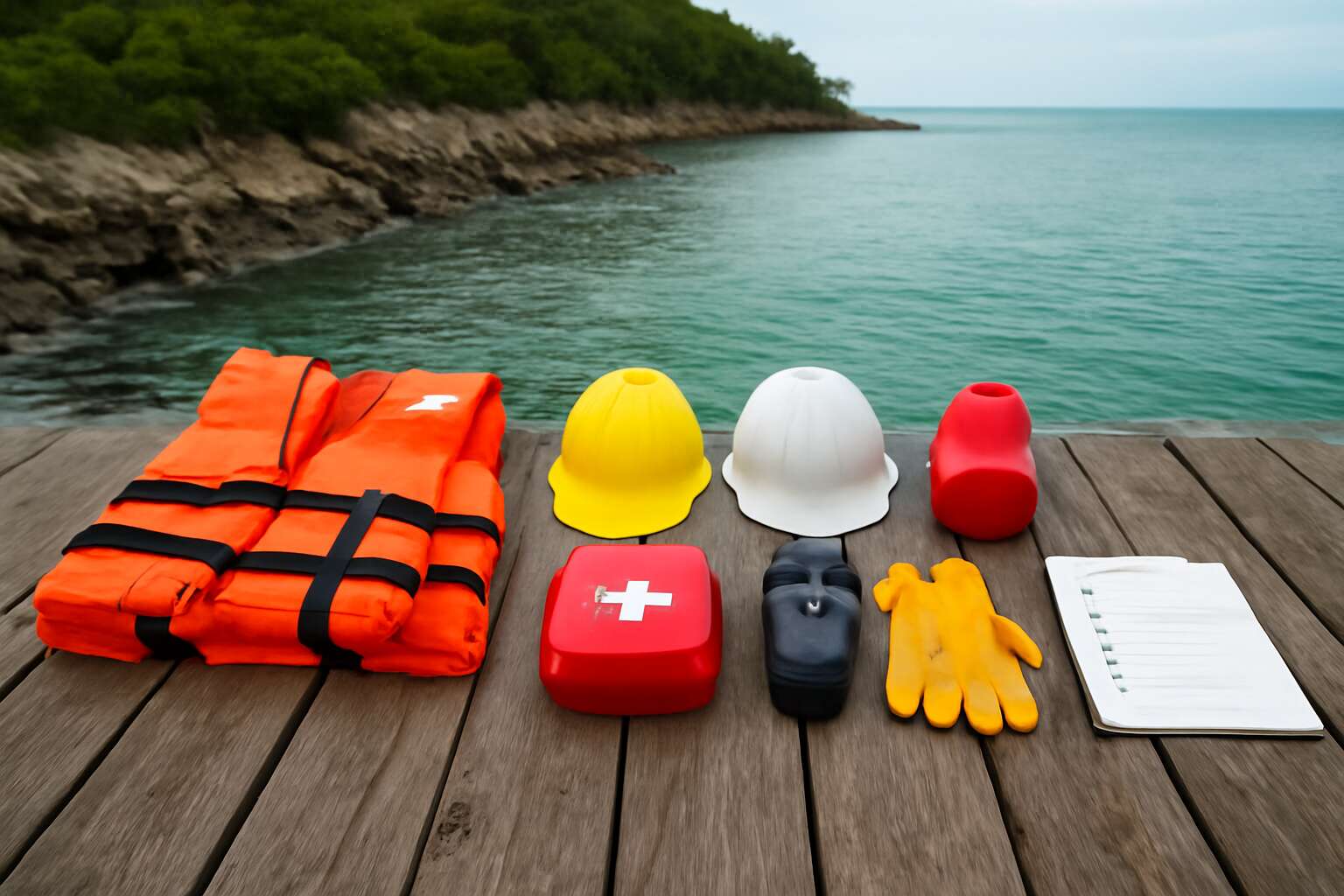
Comprehensive safety equipment outline for Little Island
Overview of safety equipment on Little Island
A lone beacon cut through the dawn mist as risk quietly receded. On Little Island, safety outcomes improved by 24% after strengthening safety equipment little island across docks, quays, and walkways.
Comprehensive safety equipment on Little Island covers the essentials without ceremony, from personal protection to rescue-ready gear. Core components include:
- PPE tailored to coastal conditions and tasks
- Fall-arrest and slip-resistant systems for railings and decks
- Water rescue devices and life-saving equipment for wet environments
- Emergency signaling, alarms, and robust communications
Across operations, this equipment mirrors the island’s rhythm—quiet, reliable, and ready! safety equipment little island remains a constant, shaping safer days on the water and on shore.
Types of safety gear essential for Little Island operations
A 24% uplift in safety outcomes already proves the gear works on Little Island, but the backbone is a precise, weather-hardened approach. The safety equipment little island outline focuses on durable, task-specific pieces that survive salt spray and long watch rotations. It’s practical, almost architectural in its restraint—there when you need it, unseen when you don’t.
Types of safety gear essential for Little Island operations include:
- Marine-rated lifejackets with quick-release buckles
- Slip-resistant deck boots with reinforced toes
- Rescue throw bags and buoyant lines
- Weatherproof radios and signaling beacons with robust coverage
Quiet, dependable, and ready, this lineup keeps crews steady as the sea tests their resolve.
Compliance standards and training for safety equipment
On Little Island, discipline wears a weatherproof cloak and speaks in the cadence of rigging. A 24% uplift in safety outcomes proves the gear works, yet the backbone is a precise, weather-hardened rhythm. The comprehensive safety equipment outline treats compliance standards and training as a living system—rigor with rhythm, where gear has a time and a place and every crew member breathes safety as instinct. This is safety equipment little island in practice: a disciplined, durable framework.
Comprehensive safety equipment outline for Little Island Compliance standards and training anchors stewarded practice and clear accountability. The elements below illuminate the path without clutter:
- Structured certification and drills aligned to SAMSA guidance
- Scenario-based training that shifts from day to night and calm to squall
- Maintenance logs, tagging, and routine inspections for all gear
Maintenance, inspection, and replacement of safety gear
On Little Island, one missed inspection can ripple through a shift. A recent audit showed 97% of near-misses trace to overdue maintenance—a blunt reminder that upkeep is a frontline operation. This outline treats maintenance, inspection, and replacement as a disciplined loop—so gear has a time and a place, and every crew member breathes safety as habit—right here on safety equipment little island!
Maintenance logs, tagging, and routine inspections keep gear performance honest in South Africa’s coastal work. Replacement decisions are data-driven, based on age, wear, corrosion, and test results to prevent fatigue failures when the tide is turning.
- Routine inspections aligned to gear type and manufacturer specs
- Updated maintenance logs after each check and calibration
- Clear replacement triggers: age, wear, corrosion, or failed tests
That rhythm turns maintenance, inspection, and replacement into a living system, aligning gear care with the island’s daily pulse and the crew’s shared sense of safety.

0 Comments