
Site safety equipment overview
Essential PPE everyone should wear on site
On a bustling South African site, safety equipment on site isn’t a luxury—it’s a lifeline. Nearly every serious injury is preventable with proper PPE, as one veteran foreman reminds the crew: “Safety is a shield you wear, not a badge you flash.”
Beyond the basics, the right PPE defines the pace and health of the day. Essential PPE everyone should wear on site includes protective headgear, sturdy footwear, eye and face protection, gloves, and hearing gear to quiet the din of machinery.
- Hard hats and chin straps
- Steel-toe boots
- Eye and face protection
- Cut-resistant gloves
- Hearing protection
That’s why the integrity of safety equipment on site relies on quality, design, and the respect with which crews treat the gear. In South Africa’s heat and dust, breathable fabrics and well-fitted gear keep teams ready for whatever the day brings.
Choosing the right protective gear for different roles
On a bustling South African site, a single choice can change a day’s fate. “Safety is a shield you wear, not a badge you flash,” a veteran foreman often says. The right gear shapes rhythm, balance, and peace of mind as heat climbs and dust swirls. I’ve seen mornings begin with doubt and end with steady work when people choose wisely.
Choosing the right protective gear for different roles comes down to function, risk, and the realities of the job. Getting this right starts with safety equipment on site that fits and breathes:
- Site leadership and supervisors — visibility and secure access
- Crane operators and heavy crews — stability and quick access
- Electrical and maintenance teams — eye, face, and grip comfort
- General labour — breathable, heat-ready fit
In South Africa’s climate, gear is a companion, not a constraint. Breathable fabrics keep teams ready for the day.
Compliance and regulatory standards for site PPE
On a bustling South African site, safety equipment on site isn’t a badge you flash—it’s a daily covenant with the people who keep work moving. Compliance isn’t abstract; it determines which gear is approved, inspected, and kept ready for use. The landscape is shaped by the Occupational Health and Safety Act and its regulations—and by national standards that guide PPE selection and performance. Employers shoulder the duty to provide appropriate protection, ensure proper labeling, and maintain documentation so gear remains fit for purpose when heat, dust, or sparks rise.
Key regulatory touchpoints include:
- OHSA and related PPE regulations
- PPE labeling, inspection, and maintenance requirements
- Training, fit, and record-keeping expectations
Maintenance and inspection routines for safety equipment
“Safety is the longest chapter on any site,” a seasoned supervisor once told me! On a bustling South African site, maintenance and inspection keep gear honest and ready. The idea of safety equipment on site isn’t a prop—it’s a covenant that holds workers together when heat, dust, or sparks flare up.
Daily visuals, routine checks, and clear tagging form the quiet backbone of upkeep. Gear isn’t merely worn; it’s continually assessed for wear, fit, and integrity. Logs and labels connect past checks to today’s performance, ensuring equipment remains fit for purpose when the day demands it.
Care is a shared discipline—the vibe of a crew who treats every buckle and visor as defense. In South Africa’s varied environments, maintenance rhythm shapes the site’s character as surely as concrete and steel.
Budgeting for site safety equipment and replacements
On busy South African sites, a striking statistic lands with a thud: nine out of ten near-misses begin with a simple oversight in gear. Safety equipment on site is no prop; it is a covenant that keeps crews aligned when heat, dust, or sparks swirl.
An overview of site safety equipment keeps focus on what matters most: reliable protection, clear visibility, and proper fit across roles.
- Initial procurement and bulk discounts
- Regular replacement cycles
- Maintenance, training, and redundancy
Budgeting for site safety equipment and replacements means embracing lifecycle costs, contingency funds, and local supply realities. In South Africa, plan for price shifts, spare parts, and timely replacements so gear never waits for a breakdown. That balance—budgeted wisely—ensures the safety equipment on site stays mission-ready.
Personal protective equipment categories
Head and eye protection guidelines
On South African work sites, safeguarding sight and skull is more than policy—it’s survival and progress. When safety equipment on site is worn consistently, injuries fall and teams stay productive, turning risk into steady momentum.
Head protection and eye protection stand as two sturdy pillars of daily safety. Hard hats shield against falling hazards, while eye gear guards against dust, sparks, and glare. The right gear fits snugly, stays comfortable, and never slows the wearer.
The categories include:
- Hard hats (impact and electrical protection)
- Safety goggles
- Safety spectacles
- Face shields
Guidelines emphasize proper fit, visibility, and compatibility with other PPE to keep movement safe and confident on site.
Hearing protection selection and usage
On South African sites, noise is a silent time bomb. 1 in 6 workers exposed to high noise risk permanent hearing loss, a statistic that demands protection, not excuses!
Hearing protection options include:
- Disposable foam earplugs
- Reusable silicone earplugs
- Earmuffs
Choosing the right protection means matching the noise level to the device, assessing comfort, and ensuring it fits with hats or face shields. A snug seal, clean storage, and regular replacement keep the gear effective. When worn as part of safety equipment on site, teams stay focused and productive.
Respiratory protection when dust and fumes are present
Breathing should be second nature, but on South African sites dust and fumes cling to every breath. 1 in 5 workers report coughing after a long shift, a stark reminder to protect the air we share.
Respiratory protection is a key category of safety equipment on site. When dust and fumes swirl, opt devices that balance filtration with comfort and fit. Options include:
- Disposable dust masks with basic filtration
- Half-face respirators with replaceable filters
- Powered air-purifying respirators for heavy contaminant loads
Ensure a snug seal, use the right cartridges for the contaminant, and maintain clean storage. Such attention keeps safety equipment on site performing when the wind turns hot and dusty.
Hand protection and glove types by task
The gloves in the toolkit are more than protection—they’re partners in every task on a SA site. “A glove is a second skin,” a seasoned foreman often says, and it’s true: hands tell the day’s story. Hand protection and glove types by task shape the rhythm of the shift, turning rough days into steady, confident ones. In safety equipment on site, fingers win when guarded well.
- General handling and precision tasks — nitrile or vinyl disposable gloves for dexterity and light protection.
- Abrasive or rough materials — cut-resistant leather or Kevlar-lined gloves for grip and edge protection.
- Wet or oily conditions — neoprene or PVC-coated gloves to resist moisture and slips.
- Chemical exposure — chemical-resistant neoprene or butyl gloves with suitable cuff length.
Glove choices should harmonize with climate and workload—material, thickness, and grip all play a part. On South African sites, comfort matters as much as barrier performance when dust swirls and heat rises.
Foot protection and anti-slip footwear
Foot protection on site isn’t just a checkbox—it can decide whether a day ends in a triumph or a tumble. On South African sites, slips, trips and falls account for a hefty slice of injuries—nearly 40%. That’s why anti-slip footwear is frontline gear, not a fashion statement. Steel-toe boots guard the digits; rugged outsoles bite into wet concrete; breathable uppers help you survive the SA sun. It’s a core piece of safety equipment on site, and you’ll thank it when the shift keeps moving.
- Slip-resistant outsole patterns
- Toe protection (steel or composite)
- Puncture-resistant midsole
- Water resistance for damp conditions
- Breathable uppers for heat
In SA heat and dust, the right boot balances grip with airflow. Foot protection remains a cornerstone of safety equipment on site, turning traction into steady progress and keeping morale from slipping.
Gaiters, high-visibility vests, and other visibility gear
On SA sites, visibility is more than safety—it’s a daily guarantee. Gaiters guard against dust, water and stray sparks, while high-visibility vests make you unmistakable in crowded, sunlit yards. Visibility gear is a core element of safety equipment on site, turning the everyday walk into a safer routine.
Beyond gaiters and hi-vis, a few sensible pieces keep you seen in every condition:
- Gaiters that seal over boots to block dust, mud and sparks
- High-visibility vests or jackets that meet ISO 20471 standards
- Reflective armbands and tapes for extra shine in dawn and dusk
- Clip-on LED lights or headlamps for hands-free visibility
On hot, dusty SA sites, breathable, bright gear balances comfort with constant visibility. You move with purpose, and the shift keeps progressing. This is safety equipment on site.
Site-specific safety equipment and systems
Fall protection and prevention equipment
On every South African site, fall protection isn’t optional—it is a moral contract with workers. The right site-specific safety equipment and systems turn treacherous edges into manageable risks, replacing panic with preparation. From anchor points and edge protection to rescue plans ready to deploy, these mechanisms form the spine of safe operations. As a veteran safety officer puts it, “Safety equipment on site is a discipline, not a decoration.”
- Secure anchor points and fall-arrest systems
- Guardrails, toe boards, and safe access around edges
- Safety nets and debris containment below elevated work
- Rescue equipment with clearly defined emergency procedures
Tailoring this toolkit to the actual site—considering structure, weather, and crew—keeps the human factor in balance. When systems are clear and practiced, the ground feels safer and the work deeper.
Ladder and scaffold safety gear
Ladders and scaffolds are not afterthoughts; they are the sinews of safe ascent. On South African sites, risk grows where wind and glare meet routine fatigue—unless the right ladder and scaffold safety gear are in place. “Disciplined gear turns a fall into a moment of control,” a veteran safety officer notes. Safety equipment on site becomes the quiet anchor that steadies teams as they climb, survey, and finish with confidence.
- Certified ladder systems matched to task height and load
- Scaffold frames with proper bracing, base plates, and non-slip feet
- Anchor points and harness integrations that align with fall protection plans
- Weather-informed setup: wind checks, dust management, and clear access paths
Site-specific planning keeps the human factor in balance, transforming trepidation into measured motion. The ladder and scaffold safety gear must be chosen, stored, and inspected in context—every site’s profile asking for its own tailor-made solution.
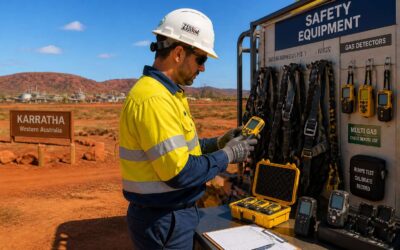
Respiratory and gas monitoring devices
On SA sites, the air itself is a stakeholder in safety. “Gas won’t announce itself,” a veteran safety officer warns, and that warning resonates with every breath taken under a roof or along a trench. Respiratory and gas monitoring devices anchor operations, turning hidden concentrations into actionable insight. Site-specific maps guide the placement of sensors, ensuring coverage where work clusters and wind shifts. Together, these systems knit a breathing-safe tapestry of alerts, alarms, and data that keeps pace with the day.
Key components for site-specific safety equipment on site include:
- Multi-gas detectors monitoring oxygen, combustibles, and toxic gases
- Portable detectors for confined spaces and entry control
- Fixed detectors with zoning, audible alarms, and data logging
When wind, dust, and heat swirl, the right gas monitoring strategy keeps teams present and precise, not panicked. Safety equipment on site becomes an invisible ally that breathes with every task.
Lockout/tagout and electrical safety equipment
A veteran safety officer reminds us: gas won’t announce itself. On SA sites, lockout/tagout and electrical safety equipment stand as the quiet guardians, turning risky energy into something controllable.
Site-specific systems anchor work, ensuring hazards are isolated before any bolt is touched. This trio of controls—lockout/tagout, electrical safety equipment, and a culture of verification—keeps safety equipment on site dependable.
- Lockout devices and hasps for energy isolation
- Tagout tags and written energy-control procedures
- Insulated tools and dielectric gloves for live work
- Grounding and bonding equipment to prevent stray currents
When these elements align, a rural-quiet factory floor breathes easier, and crews move with purpose.
Confined space entry equipment and procedures
South Africa’s job sites are unpredictable, and confined spaces can turn quiet rooms into danger zones in moments. Industry data show a 30% reduction in near-misses on sites with rigorous confined-space protocols. Site-specific safety equipment on site acts as the quiet referee, guiding entry and limiting exposure when atmosphere, energy, and geometry collide.
Inside these spaces, a robust system includes gas monitors, ventilation, retrieval gear, and documented entry procedures.
- Multi-gas detectors for oxygen, toxic gases, and flammable vapours
- Ventilation kits and air movers to establish breathable atmospheres
- Retrieval and rescue equipment (tripods, winches, harnesses)
- Entry permits and standby communication devices
Together with training and a culture of verification, these elements let crews move with purpose—confident that safety equipment on site is not an afterthought but a built-in standard.
Maintenance, training, and auditing
Inspection checklists and record-keeping
“Safety is a culture, not a gadget,” the rural SA foreman says. When it comes to safety equipment on site, maintenance, training, and auditing keep gear trustworthy and the crew confident!
Maintenance and inspections are the quiet heartbeat of every project. A calm, consistent routine—visual checks, battery tops-ups, and seal tests—prevents failures before they happen. Inspection checklists and record-keeping for safety equipment on site provide a clear trail for managers and auditors.
- Equipment inventory with serials and placement
- Service history and calibration dates
- Visible wear, damage, and replaced parts
- Date of inspection and name of inspector
Training reinforces this system: refreshers on proper use, fault reporting, and drills that mirror real situations. Auditing—internal or external—peels back the surface, reveals gaps, and nudges the team toward a safer rhythm.
Training programs for correct PPE use
On South African sites after sundown, maintenance is a quiet ritual. A cold wind and the memory of a near-miss linger. The foreman’s creed echoes: Maintenance is a vow, not a checkbox. Safety equipment on site is treated as a living system, not a gadget!
Maintenance and inspections are the project’s quiet heartbeat. A calm routine—visual checks, battery tops-ups, seal tests—prevents surprises. Training programs for correct PPE use keep skills sharp: refreshers, fault reporting, and drills that mirror real situations.
- Donning and doffing technique refreshers
- Fault reporting channels and near-miss logging
- Realistic scenario drills for emergencies
Auditing—internal or external—peels back the surface, reveals gaps, and nudges the crew toward a safer rhythm. It is the quiet verdict that keeps the night from turning.
Equipment calibration and certification requirements
“Calibration is character,” the veteran foreman whispers as the South African site settles into a cooler night. Maintenance and calibration checks are the quiet rhythm behind safety equipment on site. Training reinforces correct use, while audits keep the system honest and resilient.
- Calibration intervals aligned with manufacturer specs and site risk profiles to ensure accuracy.
- Certification and traceability: every tool bears verifiable licensure and test records.
- Documentation, logging, and timely recalibration reminders that fuel trust on the floor.
Like a quiet oath kept in steel, proper calibration, certification, and record-keeping ensure the night shift moves with confidence rather than uncertainty. The site breathes easier when the instruments answer truth and time faithfully.
Replacing worn or damaged gear safely
Across South Africa’s high-velocity sites, a telling stat keeps managers awake: six of ten near-misses trace back to worn or damaged gear. Maintenance and vigilance walk hand in hand—the quiet discipline of replacements is as vital as any briefing. Replacing worn or damaged gear safely preserves the rhythm of the night shift.
Training reinforces correct use, translating caution into settled confidence, while audits keep the system honest and resilient. In the glow of floodlights, personnel move with practiced ease because each tool answers truthfully to time and touch. Safety equipment on site becomes less a possession and more a trustworthy partner.
To sustain this discipline, three enduring touchstones guide daily practice:
- Regular, documented visual inspections
- Refreshers that reinforce competence and awareness
- Independent audits of gear condition and records
Audits and continuous improvement for site safety equipment
Maintenance is the quiet backbone of site safety, often noticed only when a squeak becomes a stoppage. Across South Africa’s high-velocity sites, worn or damaged gear fuels downtime and near-misses, a sharp reminder that neglect is the fiercest budget villain.
Training isn’t a one-off lecture; it’s a culture. Regular refreshers translate caution into confident action, keeping teams fluent in the language of the gear. Audits keep the system honest and resilient, ensuring the gear stays a dependable partner rather than a dusty liability.
- Independent audits of gear condition and records
- Regular calibration and certification updates
- Transparent maintenance history and corrective actions
With that trio in place, maintenance, training, and auditing become a seamless rhythm that preserves night-shift momentum and keeps safety equipment on site steady.
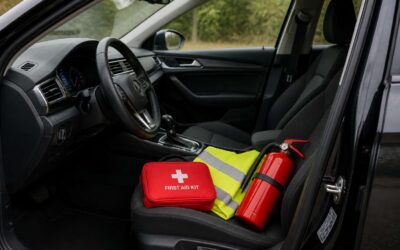
Emergency readiness and quick-access safety devices
Maintenance, training and auditing aren’t the flashy superheroes of site safety, but they’re the quiet backbone. On South Africa’s sites, a squeak can halt a shift and turn routine into downtime. When safety equipment on site stays in fighting shape, maintenance, training, and auditing keep gear dependable rather than a dusty liability.
Maintenance keeps the gears ready. A disciplined routine includes:
- Regular inspections and lubrication
- Function tests and calibration checks
- Prompt replacement of worn components
- Accessible maintenance history and corrective actions
Training isn’t a one-off lecture; it’s a culture shift that translates caution into confident action, especially around emergency readiness and quick-access safety devices.
- Schedule regular refreshers to keep procedures current.
- Run scenario drills that simulate real urgency.
- Embed knowledge with concise toolbox talks.
Audits keep the system honest, with independent checks on gear condition and records, plus calibration updates and transparent maintenance history—ensuring the gear on site remains dependable.


0 Comments