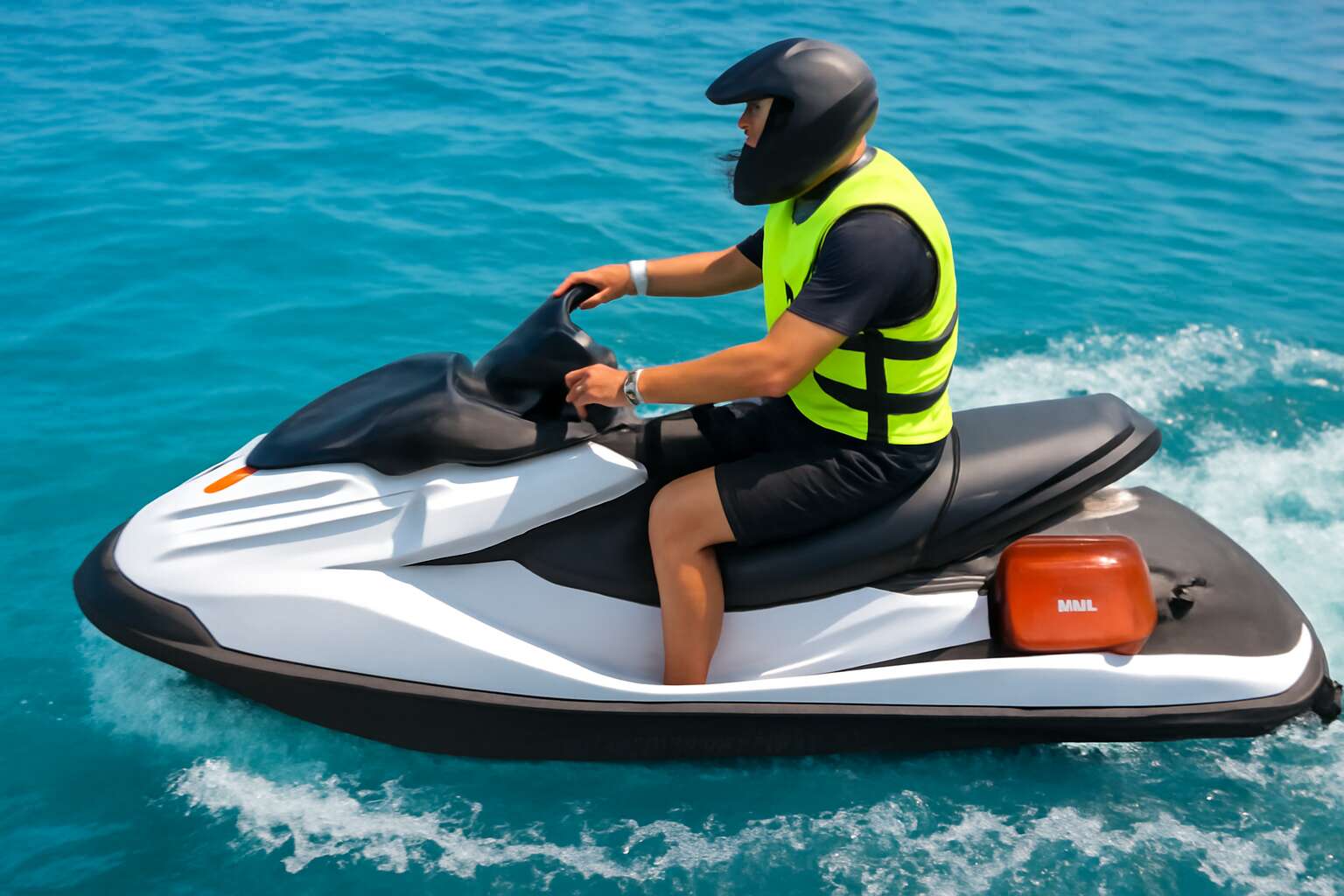
Safety Equipment Overview for Personal Watercraft
Required PFDs and safety devices
On SA’s sparkling waterways, every voyage holds caution and wonder. The question—what safety equipment is required on a personal watercraft—anchors our journey in clear terms. A reliable PFD, worn correctly, glows like a guiding star when wind and spray collide.
Beyond the PFD, a handful of safety devices lend a steady hand on choppy days and calm nights alike.
- PFD for every rider
- Kill switch lanyard attached to the operator
- Audible signaling device (whistle or horn)
- Visual signaling device (mirror, flares, or waterproof torch)
- Fire extinguisher for enclosed engine compartments
- Throwable flotation device where required
Ready gear, checked before every voyage, keeps the ride lyrical and safe—letting surfers, skippers, and dreamers glide with confidence along South Africa’s waters.
Minimum signaling devices
On SA’s sparkling waterways, where wind and spray mingle with the morning light, visibility can dim in an instant. Understanding what safety equipment is required on a personal watercraft guides every voyage, turning fear into focus. A maritime safety study notes nearly 40% of near-misses arise from signaling gaps, a sobering reminder that being seen and heard is as vital as staying upright.
Beyond PFDs, a compact signaling kit keeps the journey in the chorus of the sea.
- Audible signaling device: a whistle or horn to announce presence
- Visual signaling device: a light, flare, or mirror to attract attention
- Emergency lighting for low-light conditions
These tools, kept dry and within reach, harmonize safety with speed, allowing shoreline dreamers to glide with confidence.
Engine cut-off switch and safety lanyard
The question of what safety equipment is required on a personal watercraft often gets treated like garnish, yet statistics demand a closer look. In South Africa’s busy waterways, nearly a quarter of PWC incidents involve a rider separated from the craft, a mishap that the engine cut-off switch and its safety lanyard could prevent—or at least slow down the chaos.
Enter the engine cut-off switch and safety lanyard: a discreet duo that behaves like a responsible co-pilot. When the rider parts company, the lanyard yanks the switch and the engine sighs, going quiet before you can autograph your own splash photo. This mechanism is a standard feature on most PWCs and is integral to practical safety in choppy conditions.
To keep this lifesaver in peak form, consider the following essentials:
- Designed for quick attachment to a PFD or wrist so it’s never out of reach
- Built to resist spray, sun, and the South African glare
- Clear labeling and compatibility with your model’s kill-switch system
Emergency communication tools
South Africa’s busy waterways show no mercy, and a split-second misstep can become a headline. In fact, nearly a quarter of PWC incidents involve a rider separated from the craft. Understanding what safety equipment is required on a personal watercraft is more than marketing fluff—it’s a real-world hinge on which safety swings.
Emergency communication tools keep help reachable when chop muffles the call. A practical starter kit:
- VHF marine radio with DSC
- Waterproof mobile device or case with SOS app
- Personal locator beacon (PLB) or EPIRB
- Whistle and high-visibility signaling light
Durability matters; seek spray-proof enclosures, UV-resistant materials, and clear labeling that aligns with your craft. In South Africa’s glare, gear that looks good but fails when splashed is a joke nobody wants to tell.
These components form a safety ecosystem that keeps you noticed, heard, and accounted for when the water turns theatrical.
Inspection and compliance basics
The safety equipment overview for Personal Watercraft inspection reads like a weathered map: every dent in paint hides a potential danger, every bolt tightened whispers readiness. For enthusiasts, the question of what safety equipment is required on a personal watercraft isn’t lip service—it guides responsible navigation on South Africa’s busy shores. A practical compliance mindset blends pre-departure checks with durable gear and clear labeling, ensuring visibility and resilience against glare and spray.
Inspection essentials include a few core safeguards that keep you accountable without burdening the ride:
- Condition and accessibility of safety-critical gear
- Clear, enduring labeling that survives sun and salt
- Environment-ready enclosures and corrosion resistance
With mindful inspection routines, the craft remains a trustworthy companion through every voyage, not a gamble on the next wave.
Personal Flotation Devices and Protective Gear
Types of life jackets by classification
Cape winds and cobalt water have a way of making bravado drift away in a splash. If you’re wondering what safety equipment is required on a personal watercraft, the answer starts with a properly fitted PFD and a level head.
Personal Flotation Devices aren’t a one-size-fits-all affair. Type I offshore PFDs buoy you in rough seas; Type II near-shore vests provide reliable flotation; Type III keeps you moving comfortably; Type IV is a throwable lifeline; Type V covers specialty uses.
- Type I Offshore PFD — maximum buoyancy for open water.
- Type II Near‑Shore PFD — versatile in calmer conditions.
- Type III Flotation Vest — mobility with buoyancy.
- Type IV Throwable — a floating aid for others.
Beyond PFDs, protective gear like gloves, wetsuits, and grip-friendly footwear rounds out the kit. In South Africa’s varied waters, fit and visibility outrun flash, and a calm approach beats bravado every time.
When to wear PPE beyond PFDs
Understanding what safety equipment is required on a personal watercraft isn’t just red tape—it’s about the people who count on it when the water turns rough. A veteran lifeguard once said, “The water doesn’t forgive bravado.”
Personal Flotation Devices are the baseline, but protection goes further. A snug PFD keeps you buoyant in chop, while gloves, wetsuits, and grip-friendly footwear shield you from shock and cold when the waves rise. When conditions sharpen—colder water, wind, or low light—PPE beyond the PFD matters.
- gloves for grip and warmth
- neoprene wetsuit or thermal layer
- grip-friendly footwear or water shoes
Out on South Africa’s coastlines, the rhythm of a ride hinges on gear as much as skill. I’ve seen mornings glow with sun and days turn brisk, and the right PPE beyond the PFD makes quiet courage possible—without shouting for attention.
Child and passenger safety requirements
The water doesn’t forget bravado. On South Africa’s shores, every splash tests a rider’s judgment—and the baseline remains a well-secured PFD. But child and passenger safety on a personal watercraft goes beyond buoyancy; it extends to protective gear that cushions cold, wind, and wet hands.
Consider gloves for grip and warmth, a neoprene wetsuit or thermal layer, and grip-friendly footwear.
- gloves for grip and warmth
- neoprene wetsuit or thermal layer
- grip-friendly footwear
These pieces keep young explorers comfortable and alert, letting them enjoy the ride without shivers stealing their balance.
For every rider, ensure kid-specific safety protocols: snug PFDs, proper sizing, quick-release lanyards, and supervision. If you’re asking what safety equipment is required on a personal watercraft, the answer begins with the PFD and spans protective gear that shields against wind, cold, and impact.
Choosing the right PFD
The water doesn’t forgive bravado. The question guiding every SA ride is what safety equipment is required on a personal watercraft, and the answer begins with a snug PFD and expands into wind- and water-shielding gear that keeps a rider sharp, not shivering.
Personal Flotation Devices aren’t merely buoyant; they’re a fit-first mindset. I’ve learned that you need buoyancy appropriate to weight, adjustable straps, and a secure closure. A properly fitted PFD stays in place through spray and chop, preserving balance for every maneuver.
Protective gear completes the circle. Gloves for grip and warmth, a neoprene wetsuit or thermal layer, and grip-friendly footwear shield against wind chill and slick decks. The ensemble reads as a quiet promise: comfort, awareness, and a steadier ride.
- Gloves for grip and warmth
- Neoprene wetsuit or thermal layer
- Grip-friendly footwear
Maintenance and care of PFDs
Across the wind-kissed bays of South Africa’s coast, the question what safety equipment is required on a personal watercraft emerges like a compass needle. A snug PFD is the beginning, but its magic deepens only when cared for with respect and vigilance.
I treat Personal Flotation Devices and protective gear as enchanted gear that must be tended. Regular eyes on seams and buckles, gentle washing with mild soap, and air-drying away from harsh sun keep buoyancy faithful and trusted. The right care extends their life and your balance on the deck.
- Inspect for tears, abrasions, and compromised closures
- Clean with mild soap and fresh water; avoid solvents
- Dry thoroughly and store away from direct heat or sun
With that quiet ritual, gear stays vivid and ready for the next cresting ride.
Fire Safety and Fire Extinguishers
When a fire extinguisher is required
In the cradle of spray and moonlit wake, danger lurks as a whisper until readiness roars. For South Africa’s coastlines, the matter of what safety equipment is required on a personal watercraft becomes more than gear; it is a creed. Fire safety and fire extinguishers anchor the legend, a safeguard against ember-sparks that can leap from a gleaming engine to the open sea.
Fire extinguishers stand as quiet sentinels, chosen and kept in the light of SAMSA guidelines, kept accessible yet unintrusive. Their presence lends a clockwork certainty to the voyage, a reminder that a single measure can turn a wave’s hiss into a safe breath before the horizon blazes with sunset.
In this mythic harbor of water and wind, the extinguisher’s lamplight is a beacon of responsibility—compact, marine-rated, and maintained so that when the flare of trouble pricks the night, it answers without hesitation.
Appropriate types and placement
On South Africa’s sunlit coast, a small spark can rewrite a day at sea in moments. “Fire is a good servant but a bad master,” reminds seasoned skippers, and safety on a personal watercraft begins with readiness and restraint.
Fire safety and Fire Extinguishers: What types and placement? When pondering what safety equipment is required on a personal watercraft, choose a compact, marine-rated extinguisher—ABC powder or equivalent—that sits within arm’s reach of the helm. A second unit is wise for larger crews or enclosed spaces, kept clear of heat and fuel lines.
Placement and maintenance matter as much as the extinguisher itself. Mount on a sturdy bracket near the console, secure with a strap, and regularly inspect—pressure, seals, and expiry. The following ensures readiness:
- One compact marine-rated extinguisher installed within easy reach of the operator.
- Second unit if occupied by more than one person or if there is an enclosed space.
- Routine checks and hydrostatic testing in line with SAMSA guidelines.
Maintenance and inspection schedule
Fire safety begins in deliberate, almost ritual, maintenance. Knowing what safety equipment is required on a personal watercraft guides every check, because readiness is a discipline that keeps momentum calm in a panicked moment—such steadiness becomes a quiet anchor when wind snaps!
- Extinguishers are checked for pressure, seals, expiry dates, and tamper seals, with mounting bracket condition and strap security noted.
- Hydrostatic testing intervals and the dates of last/next due are reviewed in line with SAMSA guidelines.
- Mounts stay accessible and clear of heat and fuel lines; for larger crews a second unit in enclosed spaces may be present and properly secured.
The rhythm of these inspections shapes a steadier voyage, even when the sea turns capricious.
Storage and accessibility requirements
Fire safety on the water is the quiet discipline that steadies a vessel when wind gnaws the nerves. It begins with knowing what safety equipment is required on a personal watercraft.
Extinguishers belong where they can be seen and seized in a heartbeat: mounted in marine-grade brackets, within arm’s reach, and kept away from heat sources and fuel compartments. They should sit in dry, ventilated spaces, easily discernible under deck lighting, so a single glance confirms readiness.
- Accessible location that remains reachable regardless of seating or gear layout.
- Not blocked by hatches, seats, or cargo.
- Protected from sun, salt, and heat with corrosion-resistant hardware.
On South Africa’s waters, such thoughtful placement makes calm a companion in chaos, a small extinguisher turning potential panic into measured action.
Special considerations for enclosed PWCs
Fire safety on enclosed PWCs demands a different discipline—the breathless calm that steadies a vessel when the cabin narrows the nerves. The question of what safety equipment is required on a personal watercraft sharpens in tight spaces; you need extinguishers that are instantly visible, correctly sized, and positioned to be reached no matter how the seating is arranged.
- Extinguishers nestled in marine-grade brackets near the helm or seating, not hidden behind gear.
- Extinguishers rated for both electrical and fuel fires, kept in dry, ventilated, corrosion-free conditions.
- Access remains unobstructed during movement or capsize, with placement where layout shifts won’t obscure reach.
South African waters reward preparedness with composure, turning a flash of danger into disciplined action rather than panic.
Signaling, Lighting, and Navigation Equipment
Visual distress signals required
Understanding what safety equipment is required on a personal watercraft helps you stay compliant and safe. In South African waters, signaling, lighting, and navigation gear are your first line of defense in murky dawn light or when weather shifts quickly.
Visual distress signals required by authorities vary, but you’ll typically need a whistle and a means to signal visually.
- Whistle or horn
- Visual distress signals (flares or mirror)
- Signalling light for day or night use
Lighting matters too: navigation lights are required after sunset or in reduced visibility, and they should be clean and visible. For navigation, a portable map, a compass, or a GPS is commonly carried.
Lighting and night operation rules
Visibility is a lifeline on South African waters, where a sudden shroud of fog or the pale dawn can swallow the horizon. Understanding the gear you need makes all the difference between a routine ride and a tense delay. So, what safety equipment is required on a personal watercraft becomes less about formality and more about readiness, signaling clearly when visibility drops.
Lighting rules shift with the sun. After sunset or in reduced visibility, navigation lights must be clean, unobstructed, and visible from a distance. Test them before departure, and carry a portable signal light for day or night use to fill in gaps when conditions shift. A compact navigation kit—map, compass, or GPS—keeps you oriented as you thread between reefs and channels.
- Navigation lights that meet local requirements
- Portable signaling light for day or night use
- Basic navigation aid: map, compass, or GPS
On South Africa’s coast, practical preparation beats improvisation. Keep lighting and signaling gear accessible, perform quick checks at the ramp, and stay mindful of fluctuating weather as you plan each crossing.
Audible signaling devices
Shimmering mornings and sudden fog are part of South Africa’s coastline poetry. Signaling that cuts through the hush can save a ride from becoming an ordeal, while reliable lighting keeps you visible as tides shift. So, what safety equipment is required on a personal watercraft? In practice, audible signals fuse with clear navigation cues, turning potential peril into a navigable story you steer with confidence.
- Whistle on a buoyant lanyard
- Compact air horn or signaling horn
- Portable bell or electronic sounder
Audible cues harmonize with lighting and a straightforward map or GPS, and should be tested and ready before departure. I always run a quick check—a small ritual that pays off when conditions shift—keeping devices in a dry, accessible case to stay prepared as the sea changes its mood.
Navigation and communications equipment options
“Visibility saves lives,” coastal safety experts remind us. In addressing what safety equipment is required on a personal watercraft, signaling, lighting, and navigation gear form the trio that helps you steer through South Africa’s busy coast with confidence.
Navigation and communications equipment options include:
- VHF marine radio with DSC
- Waterproof handheld GPS or chartplotter
- AIS transponder or personal locator beacon (PLB)
- Satellite messenger or reliable smartphone with offline maps
On the water around Cape Town or Durban, a robust setup—paired with reliable power and waterproof housings—keeps your course true as conditions shift. The right mix of signaling devices, light, and navigation tools makes the ride safer, more predictable, and considerably less dramatic.
Regulatory considerations for signals
On South Africa’s busy coastlines, a single beacon can determine whether you glide home or drift into the night. Understanding what safety equipment is required on a personal watercraft shapes every decision—from signaling to navigation—and it roots practice in law as much as luck. I’ve learned that a well-timed signal is as much about character as capability; when signals meet the sea, you’re not just communicating—you’re bearing responsibility.
Signaling, lighting, and navigation gear must align with regulatory standards that govern visibility, power sources, and waterproof housings. In practice, this means devices must be certified and registered where applicable, with systems that remain reliable as conditions shift along the Cape coast and Durban’s busy waters. The aim is a predictable ride that respects the rules and keeps you in control when the sea turns.
Documentation, Registration, and Local Variations
Documentation you must carry
Documentation you must carry for your personal watercraft is the backbone of safety and legality. What safety equipment is required on a personal watercraft is inseparable from the paperwork that travels with you: registration papers, proof of ownership, and a license when applicable. Keep these documents accessible; they simplify checks and signal a commitment to responsible riding along South Africa’s coastlines.
- Registration certificate or proof of registration
- Proof of ownership
- Current operator’s license (where required)
- Insurance documents
- Emergency medical information and contact
Registration and licensing specifics vary by region but share the goal of swift verification and easy identity checks on the water. Carry the vessel’s registration number, any boat name, and certificates of compliance. In South Africa, verify requirements with local authorities.
Local variations can shift what you must carry from marina to river mouth. Some harbors require permits, while others demand extra copies for slips or protected reserves.
Regional differences in safety requirements
Documentation is the backbone of safety and legality as you drift toward the horizon. The question, “what safety equipment is required on a personal watercraft,” is inseparable from the paperwork that travels with you—registration papers, proof of ownership, and a license when applicable. Keep these records accessible; they simplify checks and signal a responsible rider. In the pale dawn, a tidy bundle of documents can calm the sea and your conscience, turning potential peril into quiet certainty.
- Registration certificate or proof of registration
- Proof of ownership
- Current operator’s license (where required)
- Insurance documents
- Emergency medical information and contact
Registration and licensing specifics vary by region but share the goal of swift verification and easy identity checks on the water. Carry the vessel’s registration number, any boat name, and certificates of compliance. In South Africa, verify requirements with local authorities. Local variations can shift what you must carry from marina to river mouth—some harbors require permits, while others demand extra copies for slips or protected reserves.
How to verify local regulations
As the water path opens, the question what safety equipment is required on a personal watercraft? Your answer begins with the paperwork that travels with you—registration, proof of ownership, and a license where applicable. A tidy bundle calms the sailor’s nerves at checks.
Documentation serves as the backbone of safety and legality, tying ownership to the vessel and your right to operate. Keep certificates and identifiers accessible so verification on the water remains swift.
Registration and licensing specifics vary by region but share the aim of quick identity checks. In South Africa, verify requirements with local authorities; variations can shift what you must carry from marina to river mouth, with some harbours requiring permits or extra copies.
Equipment record-keeping and renewal reminders
What safety equipment is required on a personal watercraft isn’t just gear—it’s the quiet backbone of every voyage. Documentation travels with you: registration, proof of ownership, and a license where applicable. A tidy packet calms the nerves at checks.
Documentation serves safety and legality, tying ownership to the vessel and your right to operate. Keep certificates and identifiers accessible so verification on the water remains swift. Here are typical documents:
- Registration certificate
- Proof of ownership
- Operator license (where required)
- Insurance documents
Regional note: In South Africa, local variations can shift what you must carry from marina to river mouth; some harbours require permits or extra copies. To stay ahead, maintain a simple equipment record-keeping and renewal reminders system, with digital backups and calendar alerts so nothing slips at the expiry date.
Tips to stay compliant on the water
Harbours hold their own quiet truths. A well-kept paperwork trail is the quiet anchor of every voyage, and in South Africa the bureaucracy acts like a compass as you chart the water. The moment you cast off, documents shape safety and legality, whispering you through checks with confidence.
Documentation travels with you as a steadfast talisman: registration, proof of ownership, and the license where required ensure you may operate and verify on the water. Consider the balance—what safety equipment is required on a personal watercraft—and let orderly records keep pace with practice.
Regional note: In South Africa, local variations can shift what you must carry from marina to river mouth; some harbours require permits or extra copies. To stay ahead, maintain a simple equipment record-keeping and renewal reminders system, with digital backups and calendar alerts so nothing slips at expiry date.

0 Comments