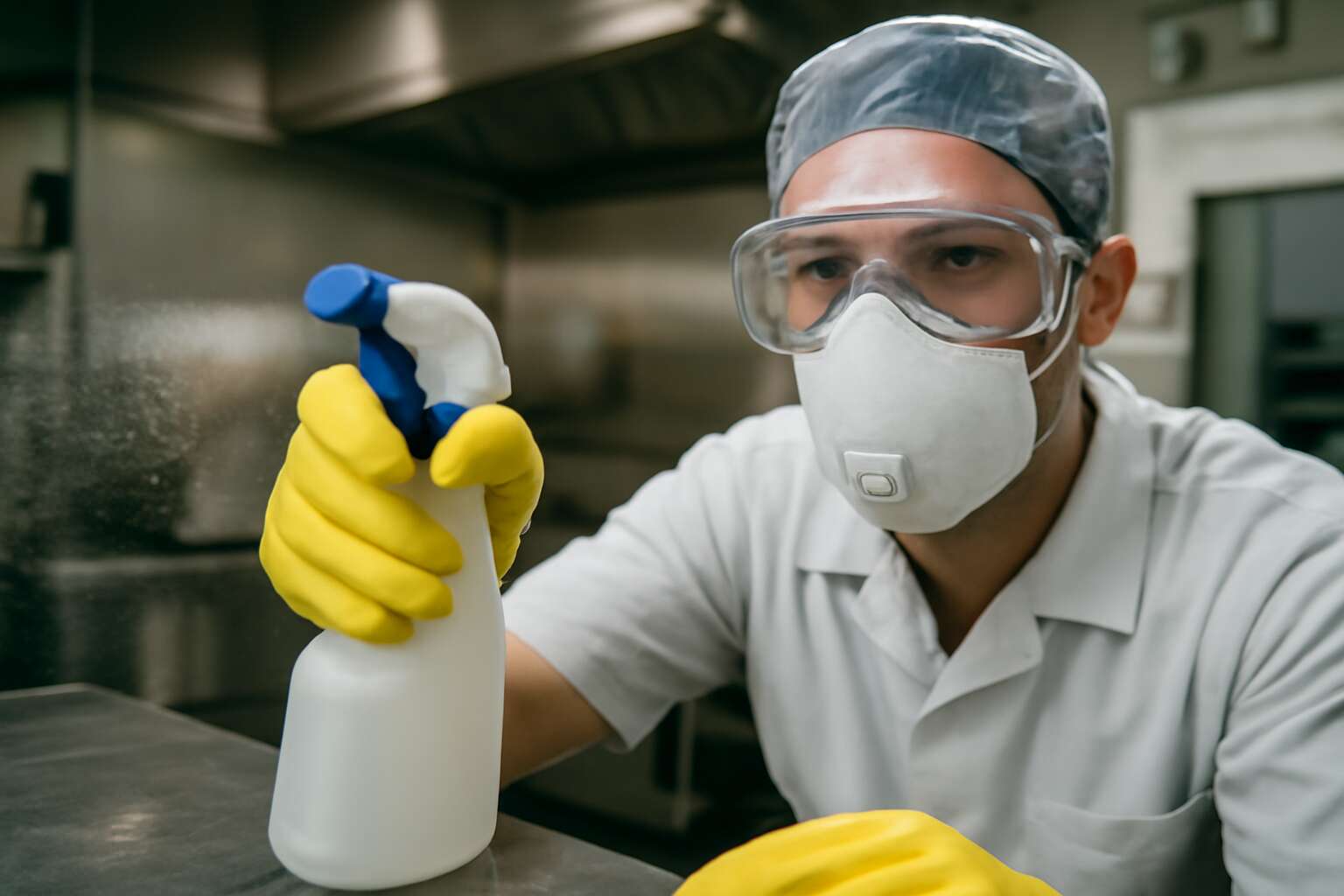
Essential Personal Protective Equipment (PPE) for Cleaning
Protective Clothing
In the world of professional cleaning, protective clothing stands as an unwavering shield against potential hazards. It’s a solemn truth that exposure to toxic chemicals and harmful pathogens can jeopardize health and safety. That’s why embracing the right PPE for cleaning is not just a precaution but a moral imperative—an insurance policy against unforeseen dangers.
Essential protective clothing should include durable gloves, protective suits, and eye protection—each serving a unique purpose. Protective clothing for cleaning must be breathable yet resilient; it silently guards your skin from corrosive substances or biological contaminants that lurk beneath seemingly clean surfaces.
When selecting PPE for cleaning, it’s essential to consider specific risks and choose clothing that offers proper coverage and comfort. Fabrics that resist absorption and tearing are ideal, because they uphold both safety and efficiency. Employing high-quality protective clothing for cleaning demonstrates a commitment to health, environmental stewardship, and professional integrity. As we navigate the intricacies of sanitation, it becomes clear that proper protective clothing isn’t just gear—it’s an extension of our responsibility to do the job right and keep everyone safe.
Gloves
In cleaning operations, gloves are the frontline defenders against exposure to hazardous substances. High-quality gloves are essential PPE for cleaning, providing a crucial barrier between the skin and harmful chemicals or biological contaminants. Whether handling strong disinfectants or biological waste, choosing the right gloves can make all the difference.
For maximum protection, consider gloves made from materials such as nitrile or rubber. These materials are resistant to tears, punctures, and chemical absorption, ensuring durability during rigorous cleaning tasks. It’s important to select gloves that fit well—comfort boosts compliance and reduces fatigue, yet they must also offer a tight seal to prevent leaks.
- Disposable nitrile gloves for everyday cleaning
- Heavy-duty rubber gloves for industrial-grade tasks
- Latex gloves for sensitivity and flexibility
Remember, the effectiveness of PPE for cleaning hinges on proper usage. Always inspect gloves for damage before use and replace them regularly. Proper glove selection not only safeguards health but also demonstrates professionalism and dedication to safety standards.
Eye and Face Protection
In the realm of proper PPE for cleaning, eye and face protection often emerges as the silent guardian against unexpected splashes and chemical hazards. It’s easy to underestimate how quickly a mere splash can escalate into a serious injury. When handling potent disinfectants, biological waste, or even just routine cleaning chores, safeguarding the eyes and face isn’t a luxury—it’s a necessity. Protective goggles, face shields, and full-face masks form an unbreakable barrier that shields against airborne particles, splashes, and fumes.
Investing in quality PPE for cleaning ensures visibility and comfort without sacrificing safety. Look for materials like polycarbonate or tempered glass that resist impacts and chemical exposure, providing clarity and durability. Remember, comfort is key; ill-fitting eye protection can lead to discomfort and eventual neglect. Properly fitted PPE acts as the first line of defense, yet, like all safety gear, it demands routine inspection and maintenance. Nothing should compromise your safety, especially when the stakes are high and hazards unseen.
Respiratory Protection
In the intricate dance of sanitation, respiratory protection stands as the unseen sentinel guarding against invisible enemies—airborne particulates and noxious fumes that lurk in every corner of a cleaning environment. According to recent studies, prolonged exposure to airborne chemicals can lead to respiratory ailments that shadow the future with uncertainty. This is where the right PPE for cleaning becomes not just a safeguard, but a shield for life.
Helmets of filtration, such as respirators and masks, act as magical barriers, capturing hazardous particles before they can seep into the respiratory system. The selection of high-efficiency particulate air (HEPA) filters or activated charcoal layers can turn an ordinary mask into a fortress of safety. It’s essential to choose gear that fits snugly—comfort and tightness go hand in hand to prevent leaks that could compromise protection. Remember, proper maintenance, including regular replacement of filters, ensures your PPE for cleaning remains as effective as the day it was forged.
- Opt for masks made from durable, breathable materials with proven filtering capabilities.
- Ensure a secure fit with adjustable straps, because even the slightest gap can allow hazardous fumes to breach your defenses.
- Store your respiratory PPE in a clean, dry place to prevent contamination and preserve its integrity.
Choosing the Right PPE for Different Cleaning Environments
Commercial Cleaning Settings
In the bustling world of commercial cleaning, selecting the appropriate PPE for cleaning isn’t just a good idea—it’s a game-changer. With surface types ranging from delicate electronics to stubborn grease, your PPE choices must be as adaptable as a chameleon at a color buffet. Overlooking this step can turn a routine job into an episode of “How Did I End Up in the Emergency Room?”
Different cleaning environments demand tailored PPE for cleaning. For example, industrial kitchens call for heavy-duty aprons and chemical-resistant boots—because no one wants to wrestle with hot oil spills without the proper armor. Meanwhile, office spaces might simply require comfortable gloves and masks to keep dust and virus particles at bay.
Remember, understanding the specific risks of each environment is key. For those working in high-risk settings, consider employing a layered approach—think of it as PPE for cleaning’s version of an onion, peeling back to reveal the ultimate protection. After all, when it comes to PPE for cleaning, fit and function are everything, especially when dealing with surface types that require a combination of protection and agility.
Residential Cleaning
When it comes to residential cleaning, selecting the right PPE isn’t simply about following safety regulations—it’s about ensuring peace of mind in homes filled with cherished belongings and family members. The environment demands PPE for cleaning that balances protection and comfort, allowing workers to operate efficiently while minimizing risk. In homes where delicate surfaces like wooden floors or vintage furniture are prevalent, PPE must be adaptable enough to prevent cross-contamination or accidental damage.
For effective protection, consider incorporating layered PPE elements, such as respirators for airborne dust or sprayers and aprons for chemical handling. The key lies in understanding the unique challenges presented by residential settings, where unexpected hazards can lurk around every corner. PPE for cleaning in these environments must be unobtrusive yet reliable, enabling a thorough and safe cleaning experience without compromising the integrity of the domestic space.
- Choose lightweight gloves that provide dexterity for intricate tasks.
- Opt for masks that block allergens and pathogens without sacrificing breathability.
- Wear slip-resistant footwear to prevent accidents on slick, uneven surfaces.
Ultimately, effective PPE for cleaning in residential settings reflects a philosophy—protection that blends seamlessly into the quiet intimacy of a home, safeguarding both the cleaner and the household’s sanctity. Because when safety becomes second nature, cleaning transcends mere chores; it becomes a testament to respect and care for the spaces we inhabit.
Chemical Handling and Spill Response
When handling chemicals or responding to spill situations during cleaning, selecting the appropriate PPE for cleaning is vital to ensure safety and effectiveness. Chemical exposure can be hazardous, especially in rural settings where access to immediate medical help isn’t always guaranteed. PPE for cleaning must be tailored to the specific risks, offering a protective barrier against corrosive substances and airborne irritants.
For chemical handling and spill response, consider using a combination of chemical-resistant gloves, splash-proof aprons, and suitable respiratory protection. It’s essential to match the PPE to the chemicals in use; for instance, strong acids or alkalis demand specialized equipment. Here are some key points to remember:
- Wear chemical-resistant gloves to protect skin from prolonged contact.
- Use respirators with appropriate filters to prevent inhalation of toxic fumes.
- Keep spill kits nearby, equipped with absorbents and safety gear, to handle unexpected accidents swiftly.
In these moments of unexpected hazard, the right ppe for cleaning isn’t just about compliance — it’s about preserving health, safeguarding livelihoods, and maintaining peace of mind in every rural household or professional setting. The protective gear becomes a silent hero in the everyday fight against unseen dangers.
Eco-Friendly and Non-Toxic Cleaning
Choosing the right PPE for cleaning is an art form, especially when embracing eco-friendly and non-toxic solutions that respect both the environment and our delicate respiratory systems. In South Africa, where eco-conscious practices grow in importance, selecting PPE for cleaning that aligns with sustainable principles isn’t just a trend—it’s a necessity.
Natural cleaning products, though gentle on the environment, can still pose hazards if not handled with appropriate PPE. For example, biodegradable cleaners might be non-toxic, but airborne particles or residual chemicals demand respiratory protection or gloves. This is where a nuanced understanding of PPE for cleaning makes all the difference.
In settings that prioritize green practices, consider PPE such as:
- Reusable gloves made from sustainable materials
- Facemasks with eco-friendly filtration technology
- Lightweight, breathable aprons crafted from renewable fabrics
The goal, after all, is to safeguard health without compromising ecological integrity. When employing eco-friendly or non-toxic cleaning products, the focus on appropriate PPE isn’t merely precautionary; it’s a vital part of responsible living and working in harmony with nature.
Best Practices for PPE Usage and Maintenance
Proper Donning and Doffing Techniques
In the meticulous world of cleaning, the best PPE for cleaning is only as effective as its proper use and upkeep. Studies show that a staggering 80% of contamination incidents could be avoided through diligent PPE protocols—yet many underestimate the importance of proper technique. This is where the art of donning and doffing becomes paramount, transforming a simple piece of equipment into a formidable shield against germs and spills.
To ensure maximum protection, follow a foolproof sequence for donning PPE for cleaning: start with hand hygiene, then carefully put on your protective clothing, gloves, face shield, and respiratory gear. When removing PPE, success lies in reversing the order, avoiding contact with contaminated surfaces and sanitizing hands in between—every detail counts in this intricate dance of hygiene.
In essence, consistently maintaining your PPE for cleaning—through routine inspection, cleaning, and correct disposal—safeguards not only your health but also reinforces a culture of safety that colleagues will admire. Remember, in the realm of cleaning, a moment of care is worth a lifetime of health.
Storage and Disposal of PPE
In the vast realm of cleaning, even the most potent PPE for cleaning risks losing its magic if neglected in upkeep or storage. When PPE is not properly maintained, its protective enchantments weaken, exposing wearers to unseen threats lurking in the shadows. To preserve the integrity of your gear, routine inspection is essential, seeking out tears, deterioration, or contamination that could compromise safety.
Storage, much like a treasure chest for mystical artefacts, must be chosen with care. Keep PPE in a cool, dry, and clean environment, away from exposure to extreme temperatures or corrosive substances. This prevents material degradation and ensures longevity in your protective arsenal.
Disposal is equally critical, ensuring contaminated PPE does not become a source of cross-contamination or environmental harm. Follow strict protocols—dispose of gloves, masks, and gowns in sealed bags and follow local regulations for waste management. Proper disposal transforms mere waste into a final act of safety in the grand narrative of effective PPE for cleaning.
- Regularly inspect PPE for signs of wear and tear
- Store PPE in designated, clean storage areas
- Dispose of used PPE following strict safety protocols
Cleaning and Sanitizing PPE
In the intricate dance of maintaining pristine environments, the true prowess of ppe for cleaning lies not solely in its form but in its rigorous upkeep. Regular cleaning and sanitizing of PPE ensure that its protective barrier remains unbreached, preventing microscopic invaders from slipping through unseen vulnerabilities. The process of cleaning PPE is a meticulous ritual—one that demands attention to detail and a thorough understanding of the materials involved.
For optimal efficacy, PPE such as gloves, masks, and visors should be wiped down with appropriate disinfectants approved for cleaning purposes. It’s essential to allow proper drying time, as moisture can foster microbial growth and compromise the integrity of the gear. Using designated cleaning stations—equipped with the right solutions—transforms routine maintenance into an act of safeguarding health.
Key considerations for cleaning and sanitizing PPE include:
- Utilizing gentle, non-abrasive cleaners to avoid damaging materials
- Adhering strictly to the manufacturer’s guidance on cleaning protocols
- Inspecting PPE post-cleaning to identify wear that might necessitate replacement
By embedding these practices into daily routines, care teams bolster their defenses, transforming PPE for cleaning from mere gear into a steadfast safeguard—an invisible shield woven from diligence and respect for safety standards.
Compliance and Safety Standards
In environments where cleanliness is more than just a goal but a legal requirement, consistent PPE usage isn’t optional — it’s essential. Studies show that proper adherence to PPE for cleaning can reduce occupational exposure to harmful pathogens by up to 80%. Maintaining safety standards requires a disciplined approach, not just in selecting the right gear but in ensuring it functions optimally through best practices for usage and maintenance compliance.
Key to this is training staff thoroughly on the correct procedures for donning and doffing PPE for cleaning to prevent cross-contamination. Equally important is ensuring PPE is regularly inspected and maintained, in line with safety standards. Regular audits and clear documentation help embed a culture of accountability and safety vigilance. Ultimately, protecting health means more than just wearing PPE — it’s about fostering a mindset rooted in diligence, respect for protocols, and a commitment to workplace safety.
Innovations and Future Trends in Cleaning PPE
Advanced Material Technologies
Innovations in PPE for cleaning are transforming how professionals protect themselves on the job. Advanced material technologies are now enabling PPE to be more durable, flexible, and resistant to chemicals and punctures. These innovations enhance safety without sacrificing comfort and mobility, which is essential in busy work environments.
One exciting trend is the development of nanotechnology-infused fabrics. These fabrics offer increased antimicrobial properties and improved breathability, making PPE for cleaning more effective and comfortable for long shifts. Additionally, smart PPE equipped with sensors can monitor environmental hazards in real-time, providing instant alerts if hazardous fumes or toxins are detected. This proactive approach is a game-changer in ensuring worker safety.
Furthermore, the future of PPE for cleaning leans heavily on eco-friendly innovations. Recyclable materials and biodegradable components are being integrated into PPE to reduce environmental impact. As companies prioritize sustainability, selecting PPE made from advanced, eco-conscious materials will become standard in the industry.
Ergonomic and Comfort Features
In the shadowed corridors of innovation, the future of PPE for cleaning takes on a spectral glow — a dance between strength and suppleness that promises to redefine safety measures. The latest advancements are not merely upgrades but an invitation into a realm where ergonomic and comfort features are woven into the very fabric of protective gear, transforming mundane safety equipment into a seamless extension of the worker’s prowess.
Emerging designs focus on the intricate balance between durability and freedom of movement. Breathable, lightweight materials ensure that even during relentless, long shifts, the barrier between hazard and human remains unobtrusive yet formidable. In this world of high-stakes cleanliness, incorporating features such as flexible joints, adjustable fittings, and moisture-wicking fabrics breathe life into PPE for cleaning, making it a vital ally rather than a cumbersome obstacle.
Intriguingly, innovations for PPE also embrace user-centered ergonomics by integrating smart, sensor-laden textiles that monitor environmental threats in real-time. These developments quietly transform the landscape—providing instant alerts to toxic fumes or chemical leaks—ensuring that safety is no longer reactive but proactive. Such cutting-edge features promise a future where PPE for cleaning is as intuitive as it is impenetrable.
As eco-conscious companies carve out new frontiers in sustainability, manufacturers are weaving recyclable materials and biodegradable components into their gear. The abyss of environmental impact is met with an arsenal of green innovations, ensuring that PPE for cleaning not only guards lives but pledges allegiance to the earth. The convergence of comfort, innovation, and sustainability marks a new epoch for protective equipment—one where the dark poetry of safety marries the promise of a greener dawn.
Sustainable PPE Initiatives
The horizon of PPE for cleaning is shimmering with innovation, driven by a surge in sustainable initiatives and technological breakthroughs that promise to reshape safety standards. As environmental consciousness grows, manufacturers are pioneering eco-friendly PPE that reduces ecological footprints without compromising protection. Recyclable materials, biodegradable components, and environmentally responsible manufacturing processes are now integral to the future of cleaning PPE, ensuring health and safety are aligned with planetary wellbeing.
Emerging trends also focus on integrating smart textiles and sensor-laden fabrics—a marvel of modern design. These advancements make PPE for cleaning not just protective but proactive, providing real-time alerts on chemical exposure or hazardous fumes. Such innovations elevate safety from a reactive stance to a preventative measure, embodying a shift in workplace safety philosophy.
- Incorporation of biodegradable PPE components
- Use of smart, sensor-driven textiles for environmental monitoring
- Development of lightweight, breathable materials for long shifts
As the demand for sustainable and technologically advanced PPE for cleaning accelerates, these trends exemplify the fusion of environmental responsibility with uncompromised safety—ushering in an era where protective gear is as conscientious as it is resilient. The relentless evolution ensures that PPE becomes a silent guardian, seamlessly blending durability with a greener footprint in the realm of cleaning safety standards.
Emerging Safety Protocols
The landscape of PPE for cleaning is rapidly transforming, driven by technological innovation and an unwavering commitment to sustainability. In an era where worker safety is paramount, emerging safety protocols are harnessing cutting-edge materials that not only shield but also adapt to the changing environment. Advancements such as sensor-driven textiles are rewriting the very definition of protective gear, offering real-time alerts on chemical exposure or dangerous fumes. These innovations move beyond basic protection, creating a proactive safety ecosystem.
Future trends in PPE for cleaning include the integration of biodegradable components—reducing ecological impact without sacrificing durability—and the development of lightweight, breathable fabrics designed for long shifts. As environmental concerns intensify, manufacturers are radically reimagining PPE to harmonize safety with sustainability. This seamless blend helps ensure that PPE becomes an ever-evolving, resilient barrier that respects both human health and planetary wellbeing.
Innovative features such as embedded sensors in PPE for cleaning not only enhance safety but also elevate operational efficiency, making safety protocols more intuitive and responsive. These technological leaps exemplify a future where protective gear becomes smarter, sustainable, and more attuned to the needs of modern workplaces. As the sector continues to evolve, it’s clear that the future of PPE for cleaning isn’t just about safety—it’s about forging a more conscientious, innovative approach to worker wellbeing and environmental stewardship.




0 Comments