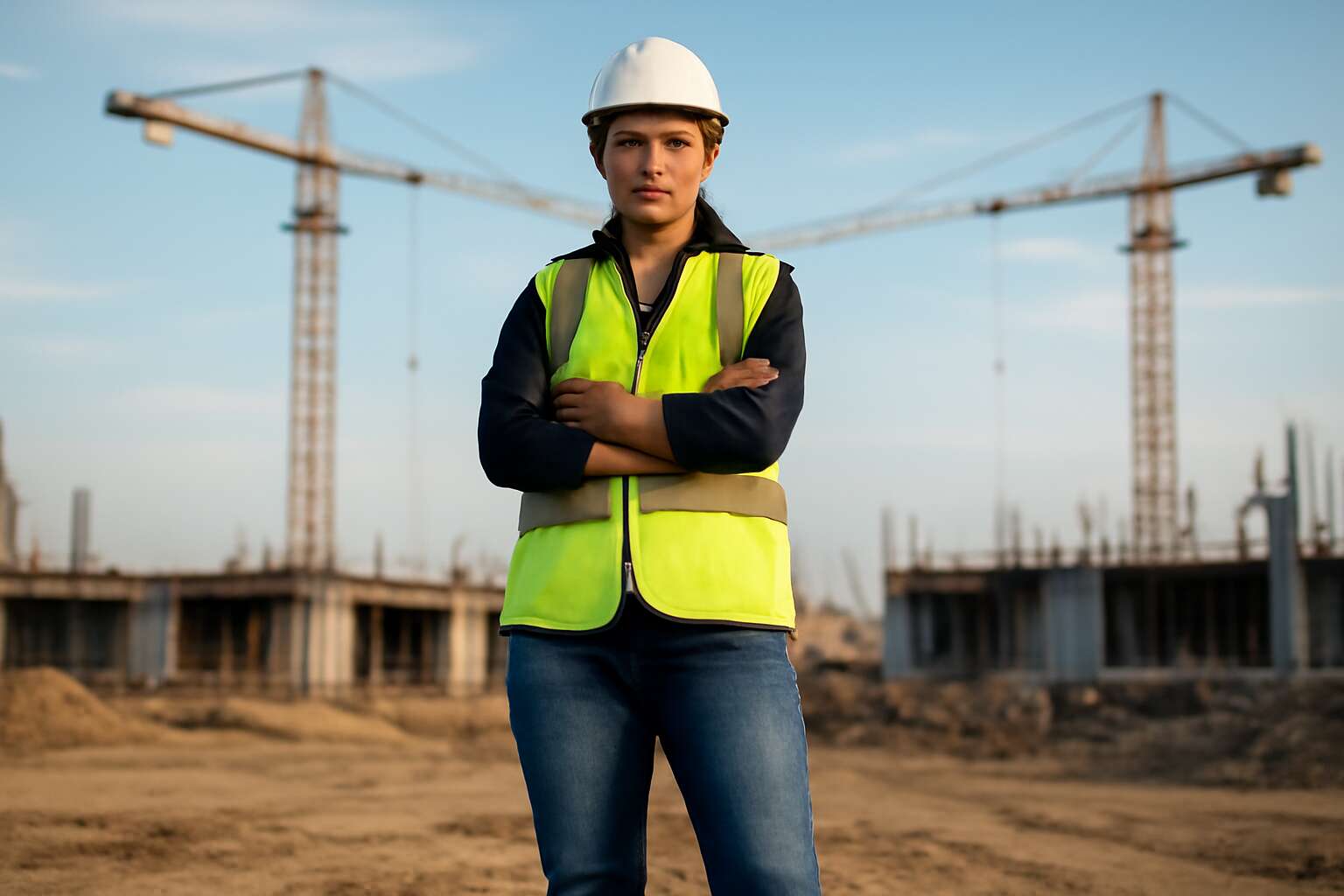
Understanding Female-Focused PPE: Safety, Fit, and Compliance
Key challenges and why female-focused PPE matters
“Safety isn’t a size issue—it’s a performance issue.” Across South Africa’s workplaces, too many women wrestle with PPE that doesn’t fit or function as intended. When gear hugs the wrong curves, protection falters and compliance becomes a ghost in the room.
Key challenges center on fit and design. Gear engineered for generic shapes leaves real bodies at a disadvantage. Consider these realities:
- Biometric diversity and movement patterns
- Limited size ranges and inconsistent grading
- Adjustability gaps and unclear labelling
For ppe for women, the right gear translates safety into habit. Correct fit boosts confidence, reduces injuries, and strengthens compliance on sites from mining belts to manufacturing floors.
An unspoken truth lingers on every work floor: well-made PPE that respects form becomes a steadfast ally, turning risk into a more predictable rhythm of work.
Standards, safety guidelines, and compliance for female workers
On South Africa’s busy sites, one ill-fitting glove can derail a shift, turning safety into a whisper. This is why ppe designed with women in mind matters—ppe for women is not a slogan; it’s fit and function in every seam.
Safety guidelines insist on gear that fits real bodies, with clear sizing and proper labelling. When ppe aligns with female movement, compliance becomes muscle memory on site from mining belts to factory floors.
Consider these elements that guide standards:
- Inclusive sizing and consistent grading
- Transparent labelling and intuitive adjustability
- Regular fit testing and feedback channels
Ultimately, the right gear turns safety into habit. I’ve seen how a mask, boot, or glove that respects form lifts a crew—workers stand taller, perform better, and stay compliant without thought. The result isn’t mere protection; it’s dignity on the floor, a quiet confidence that ripples through teams.
Design gaps in traditional PPE and their impact
On the factory floor, safety wears a human face. A glove that doesn’t fit asks your hands to pretend, and that pretense becomes a hazard. In South Africa’s bustling sites, every seam can derail a shift, turning gear from protection into doubt.
Understanding female-focused PPE begins with acknowledging gaps in traditional designs that assume a male silhouette. When ppe for women is designed to move with real bodies, protection travels with you—from mining belts to factory floors. Inclusive sizing and clear labelling switch from afterthought to default.
- Inclusive sizing and consistent grading
- Transparent labelling and intuitive adjustability
- Regular fit testing and feedback channels
The result is not mere protection but dignified momentum: workers stand taller, perform with ease, and compliance becomes habit. In this light, ppe for women is more than equipment—it’s a shared vow.
Benefits of gender-inclusive PPE programs in the workplace
“Safety is fit, not fashion,” a line that lands on South Africa’s factory floors with real weight. Understanding female-focused PPE reveals how safety, fit, and compliance travel in one stride. When ppe for women is tailored to real bodies, protection travels with you—from the belt in mining to the line on the factory floor.
A well-sized, tested set reshapes risk. It lowers nuisance injuries, cuts the need for mid-shift adjustments, and makes safety checks straightforward. Workers move with confidence, and managers see fewer compliance bottlenecks.
- Enhanced safety outcomes as gear matches movement
- Improved comfort that supports steady workflow
- Clear labeling and intuitive adjustment accelerate practical checks
This is the promise of ppe for women.
Assessing PPE needs for diverse female teams
“Safety is fit, not fashion,” a maxim that haunts South Africa’s factory floors. For ppe for women, when properly conceived, it turns risk into rhythm—the gear moving with the body, not clashing with it, a second skin. In the dim glow of a mine corridor or the heat of a metal workshop, gear must breathe with form and function. The promise is simple: protection that travels with you, from belt to badge, across every shift.
Assessing PPE needs for diverse female teams means listening to the body in motion.
- Fit across varied shapes and sizes
- Movement demands and reach
- Visibility, hearing protection, and access to controls
- Durability, maintenance, and laundering needs
From labeling to adjustability, the clues lie in movement and daily wear. When gear aligns with these realities, safety and compliance follow in a natural, almost spectral cadence.
Sizing and Fit for Female Body Types
Recognizing body diversity and inclusive sizing
Across South Africa’s frontline sectors, ppe for women too often arrives in a one-size frame that fits no one. A stubborn truth: ill-fitting PPE diminishes safety and efficiency more than any policy doc. Inclusive sizing isn’t cosmetic; it’s a core safety ingredient that respects diverse bodies.
To align gear with real bodies, manufacturers must expand pattern blocks to reflect differences in torso length, bust, hip, and arm length. Features like adjustable shoulders, contoured waists, and female-specific sleeve lengths change the game. When proven with real female workers, the fit becomes a form of protection—an invisible seam that holds fast under pressure.
- Wide size ranges from petite to tall
- Adjustable closures and sporty fit options
- Female-specific cutlines and measurement charts
This approach fosters dignity and safety on site, a truth for ppe for women, encouraging honest reporting of fit issues and continuous improvement.
Choosing PPE that fits different torso, shoulder, and hip shapes
Ill-fitting PPE isn’t merely uncomfortable; it’s a hidden risk that undermines every task. When we talk about ppe for women, the difference between a good fit and a poor one shows up in steadier hands and more precise moves on site. A garment tailored to real bodies respects torso length, shoulder slope, and hip curvature as much as it respects safety standards.
To align gear with diverse frames, designers should prioritize precise measurements and adjustable construction. Consider these structural cues:
- Torso length and waist-to-chest balance for midline stability
- Shoulder breadth and slope to prevent ride-up and constraint
- Hip curve and thigh clearance to avoid pinch during movement
When such fit cues are embedded into PPE, protection behaves like an invisible seam—holding firm under pressure and allowing workers to move naturally!
That approach isn’t cosmetic; it’s a safety culture shift that treats every figure with dignity and invites ongoing feedback on fit. In South Africa’s frontline sectors, consistent fit testing and expanded size options turn PPE into a true partner on the job, supporting both safety and performance.
Gloves and hand protection fit for women
Gloves that fit are not mere accessories; they shape safety in real time. On site, women with gloves sized to real hands report steadier grip and finer control. A frontline supervisor in Johannesburg once said, “A glove that fits is a glove that performs.” When smaller palms, longer fingers, and slimmer wrists are respected, dexterity stays high and fatigue stays at bay.
- Snug palm and tapered fingers for precise grip
- Wrist cuff and stretch to prevent ride-up
- Thumb contour and web space for freedom of motion
- Breathable lining with grip-enhancing texture
Across South Africa’s varied sites, ppe for women now advances by embracing hand geometry—smaller palms, longer fingers, and variable wrist sizes. When fit meets function, hand protection becomes a trusted ally rather than a constraint, ready to respond to pinch, grip, and pull with effortless ease.
Footwear compatibility and ankle support in PPE sets
On South African sites, poorly fitting PPE steals seconds that matter. A frontline supervisor in Johannesburg once said, “When footwear fits, performance follows.” That line is more than sentiment; it echoes how ankle support and proper sizing keep workers steady when navigating uneven terrain and tight spaces.
Sizing and fit for female body types means shoes and PPE work in harmony. Footwear compatibility matters: high-cut boots, secure lacing, and heel cups that cradle shorter ankles reduce slippage. Ankle support isn’t optional—it’s built into sets with padded collars, rigid counters, and adaptive insoles that align to curved arches, as if the gear knows where your feet intend to go.
- Correct ankle collar height and padding
- Secure, adjustable lacing or straps
- Footwear-compatible safety features
- Breathable, moisture-wicking lining for long shifts
In this era of ppe for women, gear fits the person, not the other way around.
Adjustability and ergonomic features that improve comfort for women
Fit isn’t fashion—it’s safety, and in SA workplaces it translates into comfort and performance! When PPE is sized for female bodies, distractions drop and tasks stay on track. This is what ppe for women aims to deliver.
Sizing for female body types requires adjustable features and ergonomic design that respects torso, shoulder and hip differences, ensuring all-day comfort.
Look for these ergonomic features that improve comfort for women:
- Adjustable torso length and shoulder straps to match bust and torso proportions
- Contoured back support and hip shaping for natural posture
- Modular padding and flexible shells that move with you
- Cooling, moisture-wicking fabrics and ventilation panels for long shifts
Choosing ppe for women means gear that adapts, not the other way around—keeping people secure and ready to perform in demanding environments.
PPE Categories Tailored for Women
Head protection design considerations for smaller head sizes
Across South Africa’s busy work sites, ill-fitting head protection is more than an inconvenience—it’s a risk multiplier. A helmet that fits well can transform protection on the floor, cuffing injuries and boosting confidence. When we talk about PPE for women, the bottom line is simple: gear must accommodate diverse head shapes, not demanding a squeeze or a slide.
Categories tailored for women include lightweight safety helmets, compact bump caps, and face-shield compatible shells that sit securely on smaller heads. Designing for smaller head sizes means adjusting crown height, harness tension, and rear strap geometry so the protection stays in place during twists and turns common in field tasks. The goal is a dependable fit that respects motion. This focus on fit is essential ppe for women.
Key features to support small head fits include:
- Adjustable crown sizing
- Ergonomic chin and occipital straps
- Slimmer, breathable padding
- Lightweight shell materials
Respiratory protection with comfort-focused seals for women
Across South Africa’s busy sites, nearly a quarter of workers report respirator fit issues, turning protection into a gamble. PPE for women must extend beyond size, prioritising seals that cradle smaller faces without squeezing.
Categories tailored for women now include respiratory protection with comfort-focused seals designed for smaller features. The aim is a secure seal that remains stable during movement, reducing leaks and heat buildup.
- Smaller, contoured facepieces for narrow facial profiles
- Soft, pressure-relieving seals (silicone or gel)
- Adjustable headbands and rear straps to maintain position
- Breathable inner linings to reduce moisture and heat
These design choices fit into the broader women-focused PPE strategy, ensuring users can perform with confidence. This is a core tenet of ppe for women initiatives. Respiratory protection becomes less about compromises and more about consistent comfort.
Eye and face protection that accommodates hair and makeup
Across South Africa’s busy sites, eye and face protection must honor hair and makeup as part of safety, not as an afterthought. When protective specs press at the temples or fog smudges a fresh look, focus slips and risk climbs. For ppe for women, frames now come in narrower widths that cradle smaller faces without pinch, while anti-fog coatings and vented designs keep vision clear under pressure.
- Hair-friendly frame widths for smaller profiles
- Secure adjustments for ponytails or head coverings
- Makeup-compatible padding and anti-fog lenses
With these refinements, eye and face protection becomes a seamless ally—part of a broader ppe for women strategy that supports performance, confidence, and safety on every shift.
Hearing protection with integrated communication features
On South Africa’s busy sites, hearing protection that silences hazards without silencing teams is essential. “Clear communication saves lives,” a safety lead often says. For hearing protection with integrated communication, this ppe for women category offers compact earmuffs, built-in mics, and adjustable bands that fit smaller heads and hair, keeping voices clear when engines roar; we know voices matter on the floor.
- Low-profile cups that seal without pressure on small ears
- Inline microphone and push-to-talk
- Bluetooth-ready options with moisture resistance
- Headbands tailored to ponytails and head coverings
These options integrate into a broader safety approach that keeps teams connected, focused, and protected on every shift.
Body protection fit, mobility, and seam design for female workers
South African work floors pulse with energy, and nearly half of female workers report PPE that simply doesn’t fit, curtailing protection and posture. When body protection is tailor-made for women, performance follows—better mobility, fewer pressure points, and seams that glide with movement. This is the promise of ppe for women on every shift.
Body protection tailored for women hinges on three pillars: precise torso shaping, mobility-first seam engineering, and scalable fit across busts, waists, and hips. Contoured panels, adjustable straps, and posture-respecting paneling translate into gear that moves with you. This approach matters for ppe for women across teams.
- Ergonomic shoulder seams that follow natural movement
- Bust-friendly tailoring with darting and relief panels
- Flexible hip and thigh panels for unrestricted mobility
With these elements, PPE becomes a second skin—quiet, reassuring, and capable of lasting long shifts. It elevates safety without compromising comfort, a necessary harmony on every site.
Foot protection designed for women: size ranges and fit
Foot protection is where safety meets stride. On South Africa’s bustling work floors, nearly half of female workers report PPE that doesn’t fit, and foot protection bears the brunt of that misfit. PPE for women should honor unique arches and heels, offering footwear categories that align with the female gait while preserving grip, stability, and comfort through long shifts.
- Safety boots with women-specific toe boxes and contoured arch support
- Protective slip-on shoes designed for quick on/off without sacrificing safety
- Metatarsal-protection models with adjustable instep straps for secure lockdown
For ppe for women, size ranges and fit matter, with EU sizes flowing from 34 to 46 and widths in standard, wide, and extra-wide. Adjustable closures and ergonomic insoles complete the fit, ensuring every step feels measured, confident, and ready for the day.
Selecting, Fitting, and Maintaining PPE for Women
Evaluating PPE fit during real work tasks and job practicality
In South Africa, ill-fitting PPE costs more than time—it weighs on safety and morale. When we talk about ppe for women, we’re talking about gear that moves with you, not against you. A well-fitting set invites confidence on every task, from light assembly to demanding maintenance.
Selecting and fitting PPE should be tested in real work tasks, not in a showroom. Consider how the torso, shoulders, and hips flex under movement; look for signs of pinching, slipping, or restricted breathing, and favor adjustable features that remain secure during the job.
- Shoulder and torso mobility under typical job movements
- Secure yet comfortable adjustability and closures that stay in place
- Durable seams and fabrics that perform across shifts
Maintaining fit is ongoing: inspect seams, replace worn straps, clean components, and store gear away from sun and heat; like sails adjusted to the wind, renewal should respect body variety among women, ensuring ppe for women remains practical as job demands evolve.
Maintenance, cleaning, and lifecycle considerations for female PPE
Maintenance isn’t glamorous, but in South Africa it’s a safety issue with cost attached. For ppe for women, longevity hinges on regular upkeep that respects how gear moves with the body. A well-kept kit stays reliable from quick checks to demanding maintenance tasks.
- Schedule periodic inspections of seams, fasteners, and adjusters for early wear
- Replace worn straps and damaged components before they fail in use
- Clean fabrics and seals per care labels to preserve fit
- Store PPE away from sun, heat, and chemicals to extend life
Lifecycle planning should involve re-evaluating gear needs as teams evolve and jobs shift. By treating ppe for women as an ongoing program, we keep safety, comfort, and morale intact.
Cost of ownership and budgeting for women-focused PPE
Safety gear that fits is a productivity metric, not a luxury. In South Africa, more than half of female workers report PPE doesn’t fit properly, siphoning time and safety from the job. For ppe for women, the cost of misfit compounds at every shift, not merely at the price tag.
- Size-inclusive lines paired with adjustable torso, shoulder, and hip features
- Recognition that replacements of worn components are a lifecycle consideration
- Bulk purchasing viewed as a strategic procurement approach
- Presence of a PPE fund signals commitment to women-focused sets
Maintenance and lifecycle thinking makes budgeting sensible: a well-kept kit lasts longer and keeps workers on task. When teams treat PPE as an ongoing program, the upfront cost becomes a scalable investment rather than a budgetary afterthought.
Sourcing from vendors with inclusive sizing and female-friendly options
Fitting PPE isn’t a luxury; it’s a performance metric that keeps people safe. In South Africa, more than half of female workers report PPE doesn’t fit properly, siphoning time and focus from the job.
It starts with selecting vendors who offer inclusive sizing and female-friendly options. Today’s PPE for women features adjustable torso, shoulder, and hip geometry, along with cuts that move with real bodies. Check that worn components can be replaced without swapping entire sets.
- Inclusive sizing ranges
- Adjustable torso, shoulder, and hip features
- Lifecycle-friendly design: replace worn components
Choosing ppe for women signals a commitment to safer, more productive teams. Maintenance ties it all together: regular cleaning, checks for wear, and disciplined storage extend kit life and keep performance on point.
Training, fit testing, and user education for female employees
Across South Africa’s workplaces, safety gear is only as good as its fit. More than half of female workers report PPE doesn’t fit properly, turning protection into a distraction and a risk.
Selecting ppe for women isn’t cosmetic; it’s a performance decision. Training and fit testing must be woven into procurement, with female-friendly options that adapt to different body shapes. When gear ships with adjustable torsos and replaceable components, a team moves with confidence and precision!
- Structured fit testing sessions with practical documentation
- Hands-on donning, doffing, and quick-refresher practice
Education doesn’t end at the box. Ongoing user education, short refresher modules, and visible maintenance logs keep PPE performing at peak and signals that safety is a living, everyday priority.

0 Comments