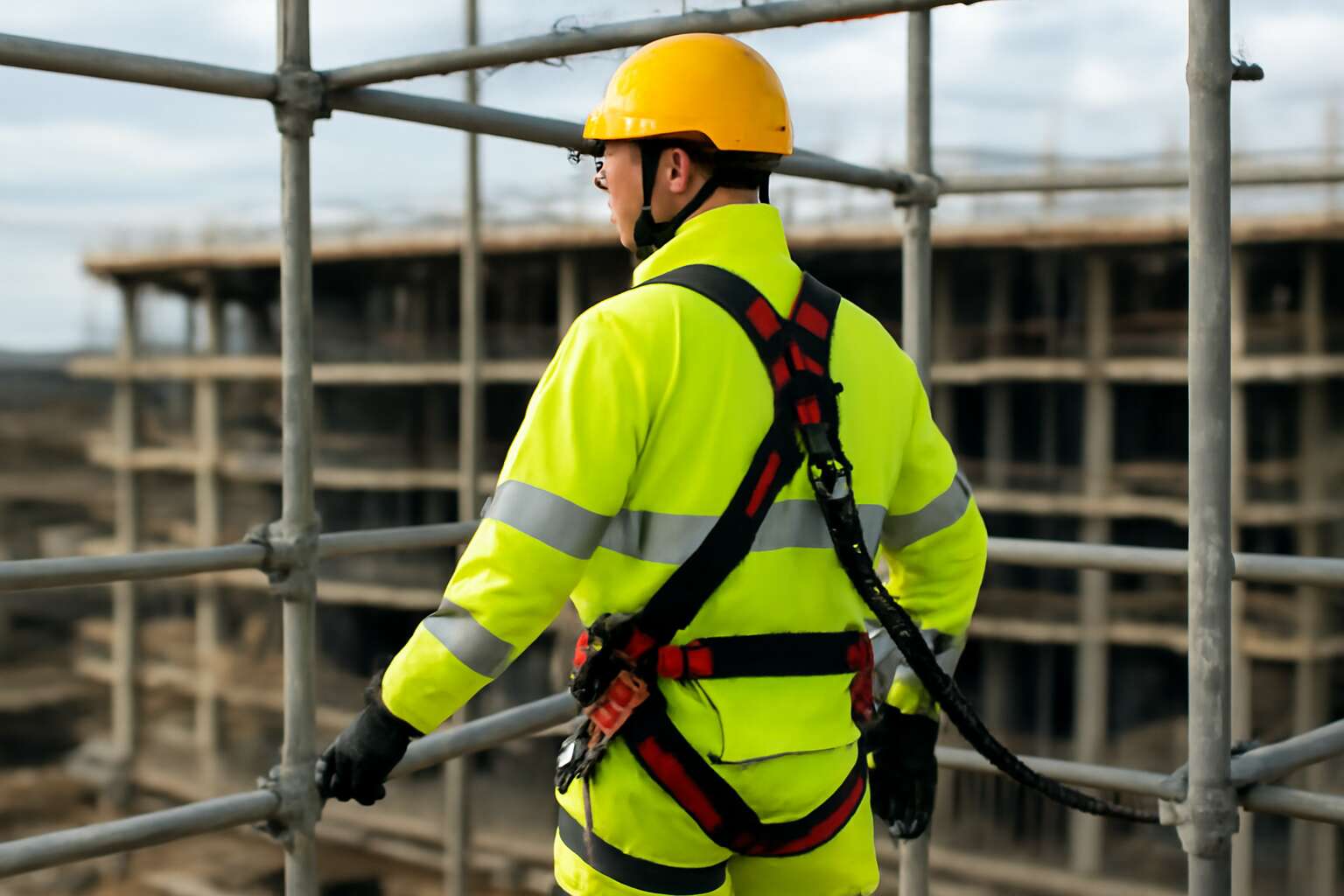
Elevated Work PPE Guidelines – Structured Outline
Section A: PPE Essentials for Height Work
Height work demands more than nerve; it demands respect for the gear that keeps us grounded. In South Africa, falls remain a top safety concern in construction and industrial work, a sobering reminder that protection is not optional. Safety is a discipline, not a slogan—“Safety is a structure you wear,” a veteran auditor quipped, and it starts with choosing to suit up correctly.
PPE essentials for height work form a quiet, interlocking system. The right harness, helmet, protective footwear, gloves, and a compliant fall-arrest setup anchored securely are non-negotiable. Choosing the right ppe for working at height is not cosmetic; it defines who we are when risk is at our shoulder.
Maintenance and inspection are moral obligations, not chores; only by ensuring gear integrity can we sustain a culture of safety.
Height work PPE is trust between person and gear, and between the worker and team.
Section B: Harnesses and Fall Arrest Systems
In the world of elevated work, a harness is not a fashion statement but a tethered truth. “Safety is a structure you wear,” quips a veteran auditor. Here in South Africa, when we talk about ppe for working at height, the harness and fall-arrest system are the quiet guardians that keep drama on the ground.
Choose a full-body harness with a back D-ring, snug leg straps, and comfortable shoulders. The right gear positions you, resists twist, and plays nicely with lanyards. It’s about a humane fit that doesn’t fight you as the work goes vertical!
- Full-body harness with dorsal D-ring and well-adjusted leg straps
- Energy-absorbing lanyard or self-retracting lifeline
- Certified anchor points rated for height work
- Corrosion-resistant hardware and compatible connectors
Maintenance and inspection form a quiet oath between person and gear. Elevated work is a trust exercise—between worker, equipment, and team, rising together and returning intact.
Section C: Head, Eye, and Face Protection
Head, eye, and face protection are the frontline guardians on South Africa’s high-rise sites. A well-fitting helmet softens the sting of unforeseen bumps, while a visor or goggles shield eyes from dust and glare. In ppe for working at height, comfort and compatibility with other gear matter as much as protection itself.
- Safety helmet with adjustable suspension and impact resistance
- Goggles or wraparound eye protection for dust, splash, and glare
- Face shield to guard the face from spray and bright sunlight
Regular inspection keeps these protections ready for the next ascent, preserving visibility and morale as the climb continues.
Section D: Footwear, Gloves, and Accessory Management
Height work demands footwear that grips, protects, and endures South Africa’s harsh site conditions. Slips and ankle twists headline safety audits on high-rise sites, so the right footwear is a frontline safeguard.
Footwear selection shapes ppe for working at height. Look for boots with non-slip, oil- and heat-resistant soles, solid ankle support, and a snug fit. Gloves should offer cut resistance and tactile control to handle gear safely.
- Non-slip soles and ankle support for steady climbs
- Toe protection and a comfortable, secure fit for all-day wear
- Breathable, water-resistant uppers to handle dust, spray, and weather
Regular inspection keeps footwear, gloves, and accessory management ready for the next ascent. Check soles for wear, replace damaged gloves, and ensure clips, lanyards, and clip-on pouches stay secure and clean.

0 Comments