Enhancing Workplace Safety with Kits and Gear
What a comprehensive safety equipment kit typically includes
Across South Africa’s bustling workplaces, a safety equipment kit isn’t merely gear—it’s a quiet guardian, turning near-misses into milestones. A recent industry pulse suggests that up to a third of injuries could be prevented with timely access to the right protection. I’ve watched teams breathe easier when knowledge and gear align, and the first box opened signals a safer day ahead.
A comprehensive kit should cover the fundamentals:
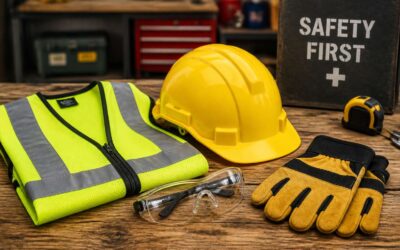
- Hard hat
- Safety goggles
- Hearing protection
- Gloves (cut- and chemical-resistant)
- Respiratory protection
- High-visibility vest
- Safety footwear
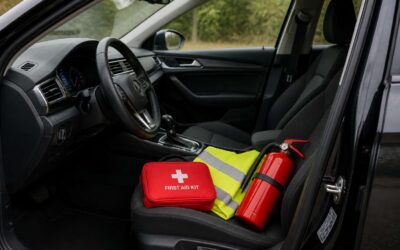
- First aid kit
- Fire extinguisher
- Spill response kit
With clear labeling and regular checks, the kit remains a living tool—not a forgotten box. When teams train alongside it, safety becomes second nature, weaving through daily tasks and guarding every shift.
Benefits of having a well-stocked kit on site
In South Africa’s bustling workplaces, a third of injuries could be prevented with timely protection—the right safety equipment kit at the right moment can flip a near-miss into a non-event.
A well-stocked kit acts as a quiet guardian, reducing downtime and sharpening focus. It signals that safety is an operating rhythm, not an afterthought, and it keeps gear within arm’s reach when seconds count.
- Faster emergency response and containment
- Steadier operations with less downtime
- Greater worker confidence and compliance
When labeling is clear and checks are routine, it becomes a living tool on every shift.
Choosing the right size and capacity for the space
One in four near-misses become non-events when the right safety equipment kit is within arm’s reach—a bold truth echoing through South Africa’s bustling sites. Size becomes velocity: a bulky box slows, a lean kit accelerates response.
Choosing the right size and capacity means reading space, flow, and shifts. Wall mounts save floor real estate; mobile carts chase activity; larger cabinets serve multiple crews. With durable finishes and clear labeling, your kit stays ready amid dust and heat.
Consider these sizing questions:
- How many workers share the kit per shift?
- Is there a nearby mounting point with clear access?
- Can stock be refreshed quickly without disrupting work?
A well-sized kit becomes a steady guardian, always ready at the edge of action.
Kit placement, accessibility, and labeling best practices
One in four near-misses becomes a non-event when a safety equipment kit sits at arm’s reach—a bold truth echoing through South Africa’s bustling sites. This is the quiet elegance of placement, where accessibility becomes a rhythm that guides every shift and a well-labeled box invites calm over panic. When the kit rests in a sightline, it shortens the pause between danger and response, turning potential chaos into clarity.
- Placement invites swift access at critical junctures
- Clear sightlines and unobstructed pathways
- Labeling that blends with surroundings while remaining legible
Labels should endure dust and heat, yet remain legible across shifts and languages. The safety equipment kit should feel like a trusted companion across every site, a beacon of readiness that earns instinctive respect and quiet confidence.
Personal Safety Gear: Essential Components
PPE essentials for general use: gloves, eye protection, helmets
On South Africa’s bustling workyards, the right PPE can cut injuries by up to 70% on high-risk sites. Proper PPE is more than gear; it’s a shield you can feel the moment danger flickers, turning a tense moment into quiet assurance.
Personal Safety Gear: Essential Components sits at the heart of a sturdy safety architecture. A well-chosen set supports every move with a calm, protective whisper, making routine tasks feel as if wrapped in a disciplined spell.
- gloves
- eye protection
- helmets
From gloves that shield the hands to eye protection that dispels sparks and helmets that crown the head, this trio anchors a dependable safety equipment kit.
First aid and trauma supplies: bandages, tourniquets, CPR masks
Within the heart of a safety equipment kit, first aid and trauma supplies beat with practical magic. When danger flickers, bandages become bridges over small wounds, tourniquets steady a bleed, and CPR masks court rescue with quiet authority. They turn chaos into cautious, confident action.
- bandages
- tourniquets
- CPR masks
And beyond the gear, a calm protocol—clear placement, quick access, and routine checks—keeps these tools trustworthy on South Africa’s busy sites. The right mix of items writes safety into every shift.
Fire safety items: fire blankets, extinguishers, escape hoods
On South Africa’s busiest sites, a well-curated safety equipment kit turns risk into routine. “Safety is a system, not a slogan,” and that truth lands when quick action is possible.
Personal Safety Gear hinges on fire-ready components. Fire safety items bring calm under pressure. They include these essentials:
- fire blankets
- extinguishers
- escape hoods
Placed for fast access and routine checks, they stay trustworthy on South Africa’s busy sites, reinforcing the safety culture.
Respiratory and visibility gear: masks, respirators, reflective vests
On South Africa’s busiest sites, every breath counts. A well-chosen safety equipment kit turns chaos into routine by weaving respiratory and visibility gear into daily work. The right masks, respirators, and high-visibility vests keep teams calm when dust rises and alarms wail, and they won’t quit when the shift ends.
- Masks
- Respirators
- Reflective vests
These essential components do more than look the part; they offer a shield without slowing you down. When workers feel protected, focus follows, and the site’s rhythm finds its safety-first tempo. A well-cataloged safety equipment kit with clear labeling supports quick recognition and reduces downtime—because no one should scramble for gear in a crisis.
Maintenance items: seals, expiry dates, replacement schedules
Every breath counts on South Africa’s busiest sites! A well-tended safety equipment kit turns potential chaos into steady rhythm, with seals, expiry dates, and replacement schedules keeping the gear trustworthy long after sunrise. When dust swirls and alarms wail, clear maintenance reduces questions and preserves calm.
- Seals and gaskets kept intact to prevent leaks and contamination
- Expiry dates monitored and documented to ensure performance
- Replacement schedules that align with usage patterns and regulatory requirements
Such maintenance doesn’t slow work; it sustains momentum, supporting a safety-first tempo across the site. A meticulously managed safety equipment kit reduces downtime and ensures readiness when urgency arrives.
Selecting Kits by Environment and Use
Assessing risk across industrial, construction, healthcare, and office settings
On a South African workday, a single missing item can unleash a cascade of risk. “Safety is a language of readiness,” a veteran foreman likes to say, and a well-chosen safety equipment kit translates that language into action—crafted to the environment it serves.
Assessing risk across industrial, construction, healthcare, and office settings begins with a map of hazards and response times. The safety equipment kit should speak the language of the space: an industrial plant demands spill containment and robust visibility; a construction site rewards rapid, accessible first aid and clear evacuation cues; healthcare shapes rapid wound care and barrier protections; an office benefits from compact, grab-and-go essentials that keep momentum without clutter.
- Industrial: spill response capability and robust respiratory readiness
- Construction: rapid-access first aid and clear evacuation cues
- Healthcare: infection control supports and rapid wound care readiness
- Office: compact, grab-and-go essentials for quick response
When the safety equipment kit is tuned to environment and use, preparedness becomes habit, not just policy—safety becomes a living shield that travels with every shift.
Standards and certifications to guide kit selection: OSHA, ANSI, ISO
Selecting a kit by environment and use starts with trusted standards. A safety equipment kit must align with the space, not just the hazard, and those alignments hinge on certifications leaders trust. From OSHA to ISO, and ANSI across borders, these benchmarks translate risk into measurable assets on the floor. In South Africa, compliance and practical readiness walk hand in hand, so that translation matters every shift—I’ve seen it on the floor!
Key standards to guide kit selection include:
- OSHA
- ANSI
- ISO
By tuning the kit to the local environment and procurement realities, teams ensure readiness travels with workers. In SA, audits and supplier rotations keep certifications current and gear effective, cutting downtime and risky improvisation.
Inventory management: restock cycles and expiry tracking
On SA sites, 40% of unplanned downtime is tied to expired or out-of-rotation gear, a stark reminder that a safety equipment kit is about timing as much as hazard. Selecting by environment and use means mapping space, workflow, and exposure, then aligning inventory with those realities. Restock cycles and expiry tracking become non-negotiable in this equation.
- Restock cycles aligned with shift patterns and procurement lead times.
- Expiry tracking with clear alerts and rotation rules.
In South Africa, audits and supplier rotations keep certifications current and gear effective, reducing downtime and risky improvisation. The safety equipment kit travels with workers and holds steady across changing environments.
Portable vs. stationary kits: choosing the right form factor for each environment
Choosing the right form factor for a safety initiative isn’t vanity; it’s velocity. In South Africa, where site layouts vary from mine compounds to urban sites, the environment and use dictate whether a safety equipment kit travels with the team or waits at the entrance. A portable kit keeps pace with shifting exposure, while a stationary kit anchors critical gear in a fixed hot zone. The trick is mapping space, workflow, and the kinds of hazards you actually encounter, then aligning inventory accordingly.
- Portable kits: strapped to foremen, fitted for quick access, light, rugged.
- Stationary kits: wall-mounted or cabinet-integrated, larger capacity, controlled access.
Ultimately, selecting by environment and use ensures the safety equipment kit remains practical and trusted across changing conditions.
Maintenance, Compliance, and Best Practices for Safety Kits
Regular inspections and audit checklists
Maintenance keeps the safety equipment kit honest to its promise. Regular inspections tend the kit like a careful gardener, checking seals, batteries, and visibility aids, and noting expiry dates as if they were small suns slipping toward dusk. The aim is quiet reliability, not fanfare.
Compliance threads accountability through every corner. In South Africa’s workplaces, adherence to standards mirrors respect for colleagues—OSHA, ANSI, ISO-inspired guidelines and local regulations guide what stays on the wall and what moves to a drawer for safekeeping. Documentation anchors trust.
Best practices turn care into culture: labeling that speaks, placement that respects traffic, and restock cadence that never sleeps. The rhythm is deliberate, not hurried; the safety equipment kit should feel like a living promise, visible to all who pass by.
- Audits and expiry fields documented
- Labeling, location maps, and accessibility established
- Replacement history and training records maintained
Storage, labeling, and environmental considerations
South Africa’s busy worksites rarely pause for a missing tool. A well-tended safety equipment kit is the quiet guardian that keeps injuries at bay. Maintenance is practical: test seals, check batteries, and track expiry dates; store it dry, cool, and out of direct sun.
Compliance threads accountability through every corner. Align with ISO-inspired guidelines and local regulations to decide what stays visible and what moves to a drawer. Documentation anchors trust and ensures audits pass with quiet confidence.
Best practices turn care into culture: clear labeling, traffic-aware placement, and steady restock cadences. The safety equipment kit becomes a living promise, guarded by environmental controls—dry storage, stable temperature, and safe separation from chemicals.
- Clear labeling and legible instructions
- Location maps and accessible mounting points
- Regular restock and expiry logging
Training and drills to maximize kit effectiveness
On South Africa’s busiest sites, injuries crack the air like thunder—yet a well-tended safety equipment kit can cut risk by an estimated 30%. Maintenance is practical: test seals, monitor expiry dates, and keep the kit dry, cool, and out of direct sun. This steady vigilance makes readiness a daily habit rather than a last-minute scramble.
Compliance threads accountability through every corner. Align with OHSA expectations and ISO-inspired guidelines, and maintain documentation auditors can trust. The safety equipment kit becomes a living contract—visible, compliant, and audit-ready—while training brings awareness to instinct, so teams respond with calm and clarity when seconds count.
Best practices turn care into culture: precise signage, mapped access points, and steady restock cadences. For training and drills, keep scenarios concise but telling, test access under pressure, and record outcomes to reinforce readiness.
- Routine inspections and audits
- Documentation reviews and regulatory alignment
- Competency checks and refresh cycles
Documentation, supplier relationships, and continuous improvement
Maintenance for the safety equipment kit is a quiet, relentless discipline. Rigorous documentation reviews create an unbroken chain of custody, ensuring every component’s status is clear and traceable. When records stay accurate, audits feel routine, not a crisis.
Compliance anchors this work to South Africa’s OHSA expectations and ISO-inspired frameworks, turning responsibility into a shared ethic. Supplier relationships emerge as strategic assets—transparent communications, reliable delivery, and consistent quality become the baseline. A living program, sustained by regular feedback, keeps the kit aligned with real-world needs.
- Regular supplier performance reviews that feed into restock planning
- Transparent documentation exchange and change control
- Continuous improvement actions driven by audits and frontline input
Best practices for continuous improvement focus on closing gaps quickly and embedding lessons into daily routines. Clear ownership, simple metrics, and visible progress turn maintenance into culture—where the kit becomes a daily, lived reality rather than a distant goal.


0 Comments