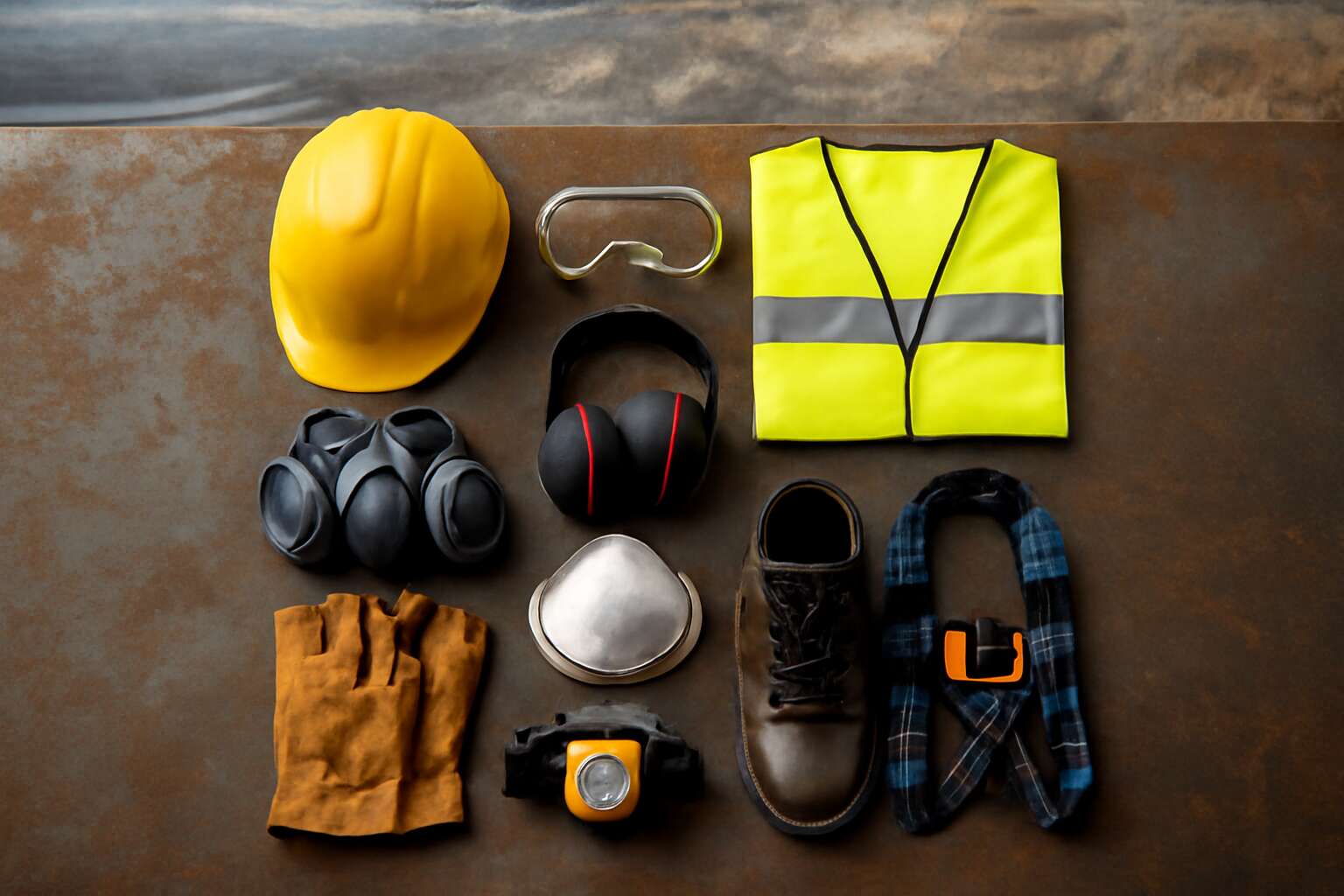
Personal Protective Equipment Essentials for Mining
Helmet and Head Protection Standards
In South Africa’s sprawling mines, the helmet is more than gear—it’s a lifeline. The mining safety equipment list begins with head protection, because a single misstep can derail a shift. “Safety is a culture, not a checklist,” a veteran supervisor often reminds us, and the sentiment holds fast.
- Hard hat that meets recognized impact standards
- Chin strap for secure retention
- Face shield or visor to deflect debris
- Integrated headlamp for hands-free visibility
Standards emphasize durability, proper fit, and comfort for long shifts in harsh environments. In South Africa, helmet choices align with global performance benchmarks while honoring local safety expectations, turning head protection into a core element of the mining safety equipment list.
Eye and Face Shield Protection
A single glare can derail a shift in South Africa’s mines—eye protection is not optional, it’s mission-critical on the mining safety equipment list.
Eye and face protection essentials focus on durability and clarity: robust lenses, indirect-vent goggles, and a shield that seals comfortably yet pivots for maintenance.
- Impact-resistant goggles with indirect venting
- Full-face shield with an adjustable, secure headband
- Anti-fog coatings and scratch-resistant lenses
- UV protection for sun-exposed open pits
- Side protection and compatibility with helmets
Hearing Protection and Noise Management
In South Africa’s mines, a single day of unmitigated hammering can erode hearing years in an instant. The mining safety equipment list exists to translate noise into manageable risk and keep shifts steady through sound protection.
Essential hearing protection in this arena emphasizes fit, comfort, and reliability. I’ve seen workers skip protection for comfort, only to regret it later.
- High-NRR earplugs and earmuffs that fit under helmets
- Noise dosimeters for real-time monitoring
- Communication-friendly protectors to keep radios clear
Together, these elements form a cohesive layer of protection that preserves hearing while allowing clear dialogue across the pit.
High-Visibility Clothing and Footwear
“Visibility is safety,” a veteran miner told me, and in SA’s dusty shafts I’ve learned it’s true. High-visibility clothing isn’t fashion—it’s a shield that keeps workers readable to machines and teammates in glare and dust.
Within the mining safety equipment list, high-visibility clothing and rugged footwear anchor the protective stack.
- Reflective tape and lime-yellow or orange fabrics
- Breathable, durable materials for heat and dust
- Reinforced seams and accessible pockets
- Secure attachment points for radios and tools
Footwear rounds out the ensemble with bite and grip: steel-toe boots, slip-resistant outsoles, ankle support, and puncture protection, all backed by weatherproof uppers suited to SA’s wet seasons.
Respiratory Safety and Air Quality in Mines
Dust Masks vs N95 Respirators
Air remembers the shifts; in South Africa’s mines, every breath carries a whisper of dust and silica. Respiratory safety and air quality are lifelines, shaping risk and resilience from first light to last shift.
Two common options ride the line between comfort and protection:
- Dust masks: basic protection for nuisance dust and larger particles, with looser seals.
- N95 respirators: tighter seal and higher filtration (around 95%), suited for finer dust but requiring fit-testing and proper use.
In the broader mining safety equipment list, choosing the right respiratory gear is non-negotiable. The air can turn toxic without warning, and a well-chosen respirator sharpens safety without dulling productivity.
Powered Air-Purifying Respirators (PAPRs)
Breathing right shapes every shift in South Africa’s mines. In recent surveys, roughly one in three workers report dust-related symptoms at some point, a quiet reminder that air quality is never negotiable. Powered air-purifying respirators (PAPRs) offer a dependable shield when dust and silica swirl.
I’ve watched crews move through long shifts with a steady, cool airflow, the loose-fitting hood keeping noise and heat in check while voices stay clear.
Key PAPRs features include:
- Battery-powered blower provides constant air flow to maintain positive pressure
- HEPA filtration captures fine respirable particles, including silica dust
- Loose-fitting hood and visor enable easier communication and comfort
- Low-maintenance filters with multi-shift battery life support extended workdays
Within the mining safety equipment list, PAPRs stand as a practical, protective choice that honors both air quality and the human pace of South African mines.
Self-Contained Breathing Apparatus (SCBA)
Underground air holds stories of courage and caution. In South Africa, roughly one in three miners report dust-related symptoms over their careers, a stark reminder that respiratory safety cannot be negotiable. Self-Contained Breathing Apparatus (SCBA) steps in when ambient air is compromised, delivering a steady, reliable supply of breathable air and a protective barrier in zones where oxygen or contaminants present real risk. This element sits squarely within the mining safety equipment list, signaling readiness for the most challenging shifts.
- On-board cylinder with sufficient duration for typical shifts
- Positive-pressure facepiece to minimize air leaks
- Integrated pressure gauge and low-air alarm for proactive checks
- Quick-don harness and comfortable straps for extended wear
SCBA performance hinges on ease of use, endurance, and reliable alarms. Here are the essentials that keep teams protected, alert, and mobile. It keeps breath and pace aligned, even when the air tastes of iron.
Air Quality Monitoring and Carbon Monoxide Alarms
Breath is the mine’s quiet compass, guiding courage through the dim. In South Africa, roughly one in three miners report dust-related symptoms over their careers, a stark reminder that air quality cannot be negotiable. Respiratory safety isn’t a luxury; it’s a vow, a shield against unseen currents that can redraw a day’s fate.
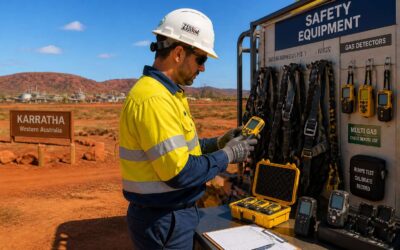
Within the mining safety equipment list, air quality monitoring and carbon monoxide alarms glow as quiet sentinels. They keep pace with the mine’s murmur, whispering warnings before the air turns brittle or sour.
- Ambient air quality monitors for fixed installations
- Personal carbon monoxide alarms for workers
These devices weave a safety net that feels almost magical in its precision, letting teams breathe confidently as the ore sings. This is more than equipment—it is the mining safety equipment list that guards lives.
Fall Protection and Ground Support Equipment
Fall Arrest Systems and Harnesses
Fall protection is not a luxury—it’s the backbone of SA mining. In a field where one slip can derail a shift, a dependable fall-arrest system acts as gravity’s nemesis. The mining safety equipment list would be incomplete without harnesses that fit like a tailor-made joke: sturdy, comfortable, and built to last.
- Full-body harness with dorsal D-ring and sturdy quick-release
- Shock-absorbing lanyards or energy absorbers
- Self-retracting lifelines (SRLs) for mobile work
- Adjustable anchor points rated for mining loads
- Durable connectors and harness accessories
Ground support gear ties fall protection to the rock itself, keeping the roof from turning into a demolition derby. When paired with fall arrest systems and harnesses, engineered anchors, rock bolts, and mesh help move work through the drift with predictability. All of this sits alongside South Africa’s Mine Health and Safety Act expectations, proving that safety can be practical and persistent without cramping the day.
Lanyards, Tethers, and Connectors
One misstep can rewrite a shift in seconds, and Fall Protection isn’t a luxury—it’s the quiet heartbeat of a South African mine. Ground support gear binds protection to the rock, turning perilous ceilings into predictable surroundings. Lanyards, tethers, and connectors form the everyday spine of safety, linking worker to anchor with a crisp, almost weathered reliability. In the broader mining safety equipment list, these elements anchor practice to purpose and keep momentum steady.
Consider the trio that keeps ground safety honest:
- Carabiners with locking gates and corrosion-resistant bodies
- Energy-absorbing tethers designed for rugged drift conditions
- Anchor points and connectors rated for mining loads
Together they keep passages stable and work moving with quiet, confident efficiency.
Helmet Mounted Lighting and Visibility
The deep tunnels don’t wait for daylight; visibility is safety’s first line of defense. In SA mines, near-misses rise with poor drift lighting, a stark reminder that light equals life underground. “Light is life,” a veteran miner says, and the sentiment holds as rock shifts.
Within the mining safety equipment list, helmet-mounted lighting leads the way.
- High-lumen, long-life LEDs
- Secure, hands-free helmet mount
- Focused beam control minimizes glare
- Rugged, corrosion-resistant housing for SA mines
Clear light keeps passages readable, aiding navigation and the early spotting of rock shifts or unusual sounds.
Together, fall protection and helmet visibility define a disciplined rhythm that supports safe, steady progress.
Rope and Rigging Safety for Roof Control
In SA mines, a single frayed rope can echo through the shift like a warning bell. A safety review notes up to a quarter of roof-control incidents trace to rope or rigging faults. “One rope, one life,” a veteran miner often says, and the truth lands with iron weight.
Ground support and rope systems demand an eye for detail: anchors, energy-absorbing lanyards, and compatible connectors are not optional extras but the backbone of the mining safety equipment list. Before every shift, inspect knots and wear; retire suspect components; never mix incompatible hardware.
Key considerations for roof control include:
- Rope type and rating: kernmantle ropes; static lines for anchors and dynamic options where movement occurs.
- Regular inspections: pre-shift checks for wear, heat damage, cuts; retire suspect rope.
- Anchors and connectors: rated anchors, locking carabiners, compatible hardware.
- Safe rigging practices: minimize shock loads; use energy-absorbing lanyards and clear routes.
Electrical Safety Gear and Lockout Tagout
Electrical Gloves and Insulating Mats
One spark in a mine shaft can redraw the night with a hiss. Electrical safety gear and lockout-tagout stand as the quiet sentinels between power and life. Insulating mats on damp floors and dielectric gloves cradle energy. In the mining safety equipment list, these protections are first principles, keeping the dim from turning dangerous.
- Dielectric rubber gloves rated for the applicable voltage
- Insulating mats for energized work areas
- Lockout devices and padlocks to isolate energy
- Non-contact voltage detectors and voltage indicators
Lockout-tagout is the silent covenant that no switch will wake a live circuit while work nears. Under South Africa’s MHSA, this discipline grounds every shift and keeps the heartbeat steady.
Lockout Tagout Devices and Procedures
In a mine, a spark travels faster than fear. The mining safety equipment list isn’t a catalog of gear; it’s a philosophy. Electrical safety gear and Lockout Tagout stand as the quiet sentinels between power and life, not flashy, but essential. Lockout-tagout devices and procedures are the covenant that a shut-off remains shut until courage and clearance allow work to begin. Under South Africa’s MHSA, this discipline anchors every shift and steadies the heartbeat.
Safety begins in the mind before it wears a label. It is a culture built on trust, verification, and quiet accountability. When workers inhabit a shared language of isolation and release, the mine breathes more calmly—and work proceeds with conscience. What matters is trust!
- Clear ownership of energy sources
- Visible, verifiable isolation
- Documentation that never sleeps
These principles echo through every corridor and shift, making the idea of a shutdown not a punishment but a pledge.
To neglect this silent covenant is to gamble with colleagues’ lives and with the mine’s own conscience—where risk outlives reason, humanity falters!
Voltage Detectors and Ground Fault Protection
One spark travels faster than fear, and a mine armored with Electrical Safety Gear and vigilant voltage detectors can outpace fate. The mining safety equipment list isn’t a catalog of gadgets; it’s a creed that power is isolated, tested, and respected. Voltage detectors and ground fault protection stand between current and life, quiet guardians turning risk into routine.
- Non-contact voltage detectors that confirm live circuits without touching them.
- Ground fault protection devices that interrupt stray currents, shielding workers and equipment.
- Regular calibration and verification aligned with MHSA standards to keep readings trustworthy.
Under South Africa’s MHSA, this energy etiquette becomes a shared language on every shift. The cadence of isolation and release—clear, verified, documented—breathes calm into the mine’s heartbeat. When we treat voltage as a neighbor and fault as a forecast, the work proceeds with conscience.
Insulated Tools and Visual Warnings
Power writes the mine’s tempo, and in the mining safety equipment list, Electrical Safety Gear and Lockout Tagout Insulated Tools and Visual Warnings keep the beat steady. A single arc can rewrite a shift in an instant, yet a slate of arc-rated gloves, insulated tools, and crystal-clear tags turns danger into discipline. In South Africa’s MHSA era, these guardians speak a shared language of isolation and consent—everyone pauses, verifies, and moves with calm.
- Clear visual warnings on energized equipment and switchgear
- Lockout tags that travel with tools and machines, showing date and reason
- Insulated tools with voltage-rated handles and sturdy storage pouches
They breathe life into the mining safety equipment list, weaving safety into every heartbeat of the shift and keeping risk on the right side of wonder.
Arc Flash Personal Protective Equipment
Electrical incidents pause a mine’s heartbeat, but disciplined PPE and strict lockout practices keep the rhythm steady. A focused approach to arc flash protection means workers can operate with confidence when energized equipment hums to life. Our approach fits the mining safety equipment list by pairing arc-rated gear with clear, compliant tagging. The result is calm, controlled energization rather than chaos—every worker knows the hold point before moving.
Here are the guardrails that tie arc flash PPE to lockout discipline:
- Verify energy isolation and de-energize before work
- Inspect arc-rated PPE for wear and proper fit
- Attach lockout tags with date, reason, and owner
- Re-check clearance and document all steps before re-energizing
Emergency Response, First Aid, and Survival Equipment
Emergency Communication Devices
The clock in a mine never stops ticking, and a split second can decide a life’s fate. This section of the mining safety equipment list sharpens focus on Emergency Response, First Aid, Survival Equipment, and Emergency Communication Devices that keep teams moving safely through the darkness of SA mines.
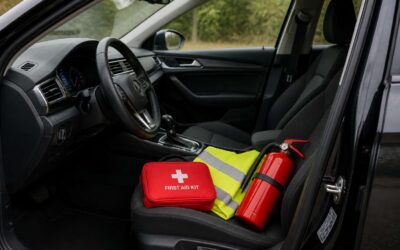
Emergency Response and First Aid readiness must be immediate. A well-stocked medical kit, quick-access AED, tourniquets, and thermal blankets can rewrite outcomes in an instant.
- Comprehensive medical kit with wound care and burn dressings
- Automated external defibrillator (AED) and basic resuscitation tools
- Tourniquets, pressure bandages, and hemostatic agents
- Thermal blankets and cold/heat packs
Survival Equipment and Emergency Communication Devices extend resilience beyond the initial response. Portable water and food rations, water purification, and shelter materials keep a crew operational while help comes. For communication, rugged two-way radios, satellite phones, and emergency beacons stitch the distance between lost teams and the surface.
These components weave care, signaling, and survival into a cohesive safety tapestry, ensuring every shift has a path back to daylight.
First Aid Kits and Trauma Supplies
In South Africa’s mines, the clock never rests; a split second can decide a life. This slice of the mining safety equipment list tightens Emergency Response and First Aid readiness, emphasizing rapid care, trauma kits, and survivor comfort when the mine hums back to silence.
- Comprehensive medical kit with wound care and burn dressings
- AED and basic resuscitation tools
- Tourniquets, pressure bandages, and hemostatic agents
- Thermal blankets and cold/heat packs
Survival Equipment and Emergency Communication Devices extend resilience beyond the initial response. Portable water and food rations, water purification, and shelter materials keep a crew operational while help arrives. For signaling, rugged two-way radios, satellite phones, and emergency beacons stitch the distance to surface. All of this sits within the mining safety equipment list, weaving care, signaling, and survival into a single safety tapestry!
Survival Blankets and Water Storage
In South Africa’s mines, the clock is a steel heartbeat: a single minute can cradle a life or snuff it. Emergency Response breathes life into emergencies through the mining safety equipment list with swift signals, calm triage, and steadfast coordination when the day yields to silence.
- rapid signaling and communication readiness
- trauma-focused first aid readiness
- survivor comfort provisions
First Aid keeps pace with the mine’s dark tempo, a comprehensive kit, wound care, and essential resuscitation tools standing ready for the unforeseen. Resilience is built into every shift through ready resources.
Survival Equipment and Survival Blankets and Water Storage extend resilience beyond the immediate response, stitching a quiet safety net with thermal blankets, water storage, purification, and portable shelter as help draws near. A path forward is forged together!
Respiratory and Evacuation Procedures Equipment
In South Africa’s mines, a single minute can cradle a life or snuff it—a steel heartbeat ticking through the rock. The mining safety equipment list becomes the quiet architect of resilience, turning fear into foresight and danger into a chorus of careful preparation.
Emergency Response centers the drill in swift signals and calm triage—rapid signaling and communication readiness, trauma-focused first aid readiness, survivor comfort provisions.
- rapid signaling and communication readiness
- trauma-focused first aid readiness
- survivor comfort provisions
First Aid keeps pace with the mine’s dark tempo, a comprehensive kit, wound care, and essential resuscitation tools standing ready for the unforeseen. Resilience is built into every shift through ready resources.
Survival Equipment and Respiratory and Evacuation Procedures Equipment extend resilience beyond the immediate response—portable respirators, emergency breathing devices, evacuation aids, muster points, and reliable signaling to guide people toward safety as help closes in. Together, they form a robust mining safety equipment list.

0 Comments