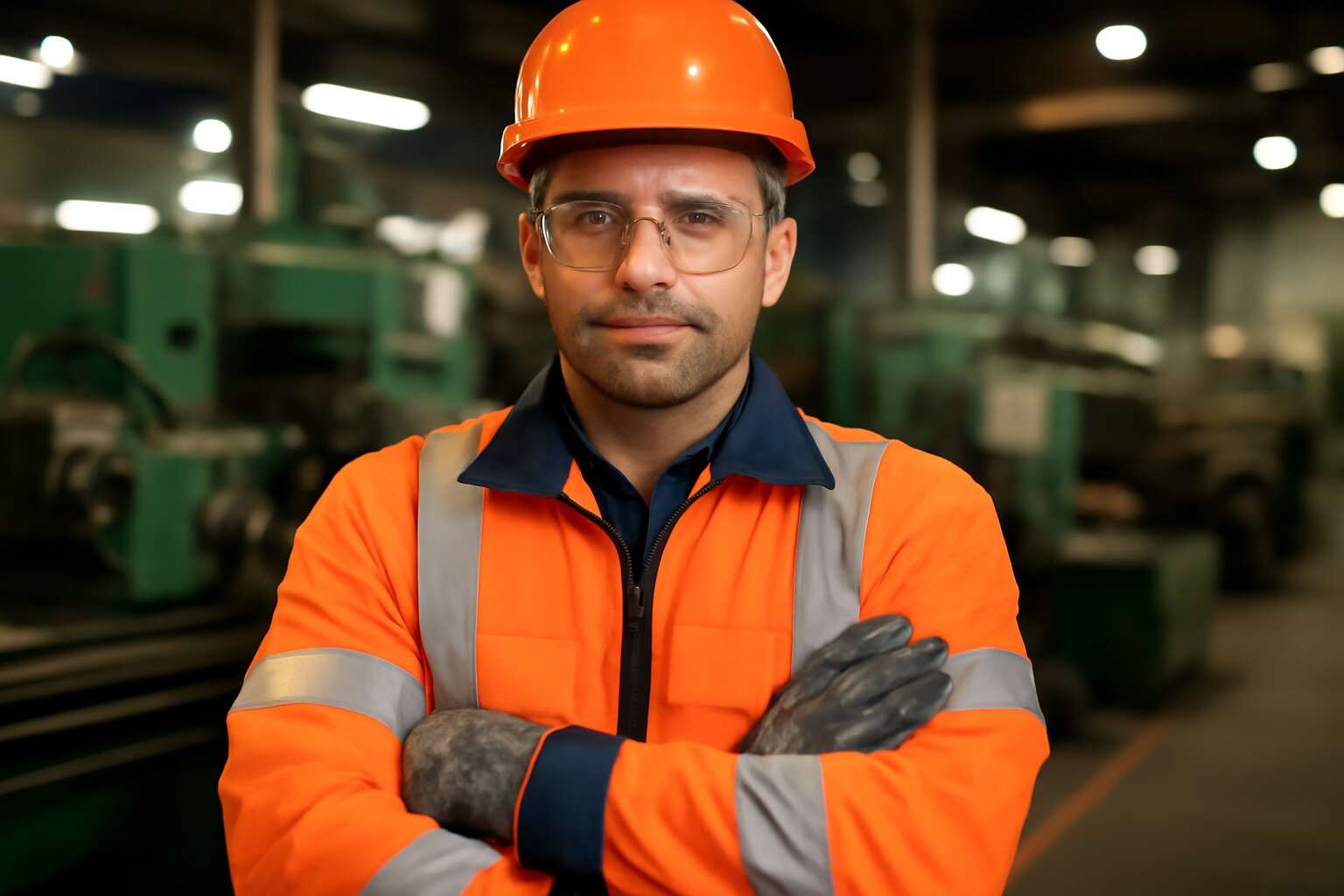
Understanding PPE Protective Clothing
Definition and Purpose of PPE Protective Clothing
In the bustling industries of South Africa, where safety and productivity walk hand in hand, understanding ppe protective clothing is vital. These garments are more than just fabric; they are a shield that safeguards workers from hazards that can cause severe injuries or health issues. PPE protective clothing is designed with a precise purpose: to create a barrier between the wearer and potential dangers such as chemical splashes, sharp objects, or extreme temperatures.
At its core, the definition of PPE protective clothing encompasses a wide range of apparel, from high-visibility suits to chemical-resistant gear. Its purpose is rooted in the fundamental need to protect lives while maintaining the efficiency of operations. Whether in construction, manufacturing, or agriculture, the right protective clothing ensures that workers return home safely after each shift, no matter how challenging the environment. Safety isn’t just a protocol—it’s a commitment woven into the fabric of every task.
Types of PPE Protective Clothing
In the realm of occupational safety, understanding the diverse types of PPE protective clothing is crucial for safeguarding workers across South Africa’s dynamic industries. Each category of PPE protective clothing is meticulously designed to address specific hazards—be it chemical exposure, physical impact, or thermal extremes. Recognizing these distinctions ensures that the right protective gear is deployed, enhancing safety and operational efficiency.
For instance, chemical-resistant PPE protective clothing offers a formidable barrier against hazardous substances, while high-visibility gear enhances worker safety in low-light environments. Moreover, flame-resistant garments are indispensable in environments where fire or heat exposure is prevalent. To simplify choices, many industries often rely on categorised PPE protective clothing such as:
- Coveralls for full-body protection
- Gloves and sleeves for hand and arm safety
- Safety helmets and visors for head and face shielding
Understanding the specific types of PPE protective clothing and their applications allows companies to tailor safety solutions that are both practical and compliant with industry standards. It’s a testament to how thoughtful PPE protective clothing choices can transform a workplace from merely functional to fundamentally safe and resilient.
Key Industries Using PPE Protective Clothing
Across South Africa’s vibrant industries, PPE protective clothing is not just a safeguard—it’s a vital thread woven into the fabric of daily operations. From the bustling construction sites of Johannesburg to the bustling factories in Durban, the right PPE protective clothing can mean the difference between safety and tragedy. In sectors like mining, manufacturing, and chemical processing, protective gear must stand resilient against unique hazards, embodying both durability and precision.
For industries where chemical exposure is a constant threat, chemical-resistant PPE protective clothing provides an essential barrier, ensuring workers can perform their duties without risking their health. Meanwhile, in environments with fluctuating temperatures or fire hazards, flame-resistant garments serve as a critical line of defense. Recognizing these distinct needs, many companies opt for specialized PPE protective clothing such as:
- Coveralls for full-body protection
- Gloves and sleeves for hand and arm safety
- Safety helmets and visors for head and face shielding
Understanding how different types of PPE protective clothing align with specific industry challenges allows organizations to craft safer, more resilient workplaces—where every worker is protected and every task completed with confidence.
Types of PPE Protective Clothing
Coveralls and Suits
When it comes to safeguarding workers from hazardous environments, the right choice of PPE protective clothing can mean the difference between safety and catastrophe. Among these vital options, coveralls and suits stand out for their comprehensive protection, enveloping the entire body with a resilient barrier against contaminants and risks. The variety of PPE protective clothing available is staggering, each designed for specific threats and industries.
Some of the most common types include disposable coveralls used in medical and cleanroom scenarios, and durable, multi-layer suits crafted for industrial workers exposed to chemicals or extreme temperatures. These suits often feature reinforced seams and specialized fabrics that resist tears and permeation. For high-risk environments, consider PPE protective clothing that incorporates features like sealed seams, breathable yet resistant fabrics, and integrated respirators.
Industries such as manufacturing, healthcare, and construction demand PPE protective clothing tailored precisely to their hazards. To streamline safety protocols, many organizations opt for a selection from the following:
- Disposable coveralls for short-term, high-risk tasks
- Chemical-resistant suits for handling hazardous substances
- Heat-resistant gear for welding and metalwork
Each type offers a unique line of defense, transforming PPE protective clothing from mere apparel into an invisible shield that guards lives every day. In South Africa, where exposure to diverse occupational hazards remains high, selecting the right suit isn’t just a choice — it’s a necessity rooted in survival.
Gloves and Hand Protection
In the realm of PPE protective clothing, gloves and hand protection stand as the frontline warriors—fighting to keep workers safe in environments teeming with unseen dangers. From the bustling factories of Johannesburg to the vibrant construction sites across Cape Town, the importance of reliable hand protection cannot be overstated. The right gloves not only shield against cuts, abrasions, and chemical splashes but also maintain dexterity and comfort, essential for precision tasks.
Choosing the perfect type of PPE protective clothing for hands involves understanding the specific hazards faced on-site. For instance, industrial workers handling sharp tools or heavy machinery might opt for cut-resistant gloves crafted from high-performance fibers. Meanwhile, those exposed to chemicals or biohazards benefit from gloves made of latex, nitrile, or PVC, offering a resilient barrier against permeation.
In this diverse landscape, PPE protective clothing options include:
- Disposable nitrile gloves for single-use safety in medical environments
- Heavy-duty leather gloves for construction and material handling
- Heat-resistant gloves designed for welding and high-temperature tasks
Every pair acts as an invisible shield—transforming simple hand protection into a vital safeguard that empowers workers to perform their duties confidently and securely. In a country as dynamic as South Africa, where occupational hazards are ever-present, investing in the right PPE protective clothing for hands isn’t just prudent—it’s essential for survival and success.
Footwear and Overboots
Footwear and overboots are the unsung heroes in the realm of PPE protective clothing, guarding workers against the relentless march of hazards that lurk beneath every step. In South Africa’s diverse industries — from the rugged mines to the bustling ports — the right protective footwear can be the difference between safety and disaster. These sturdy companions provide not only grip and support but act as an impenetrable barrier against falling objects, chemical spills, and sharp debris.
Choosing the ideal PPE protective clothing for feet involves considering the environment and hazards at hand. For instance, steel-toe boots fortified with anti-slip soles are essential on construction sites, while insulated overboots shield against the biting cold or hot surfaces. Here’s a quick glance at popular options:
- Steel-cap safety boots for impact resistance
- Waterproof overboots for wet or chemically contaminated environments
- Insulated boots for extreme temperatures in mining and industrial settings
Each piece of footwear crafted for PPE protective clothing acts as a guardian, transforming everyday steps into a fortress of safety, empowering South African workers to face their daily duties with confidence and resilience. Overboots extend this protection further, enveloping workers’ feet in a seamless shield that withstands the fiercest of conditions, making them indispensable in industries where hazards are as unpredictable as the African savanna itself.
Head and Face Protection
When it comes to safeguarding the most vital parts of the human body—those that face the fiercest hazards—head and face protection in PPE protective clothing is non-negotiable. In South Africa’s high-risk industries, the threat isn’t always visible, but it’s always present. Hard hats and safety helmets serve as the first line of defense, shielding workers from falling objects and accidental bumps that could otherwise lead to catastrophic injuries.
Face shields and visors take this protection a step further, creating an unbreakable barrier against chemical splashes, flying debris, or sparks in welding environments. These components are essential in environments where the risk of facial injuries is high, transforming PPE protective clothing from mere gear into an unyielding fortress of safety.
- Hard hats for impact resistance in construction and mining
- Face shields for chemical and debris protection in manufacturing
- Safety goggles to prevent eye injuries from flying particles
In the unpredictable landscape of South African industries, the choice of head and face protection within PPE protective clothing can mean the difference between resilience and disaster. Every piece, from the sturdy shell of a helmet to the transparent shield of a visor, acts as an invisible guardian—standing sentinel against the chaos lurking just beyond sight.
Eye and Respiratory Protection
Eye and respiratory protection are often overlooked, yet they are vital components of comprehensive PPE protective clothing. In South Africa’s bustling industries—whether in mining, manufacturing, or agriculture—the invisible threats are as persistent as they are unpredictable. Dust particles, chemical vapors, and airborne contaminants pose a silent danger, capable of causing long-term health issues if left unaddressed.
Proper eye protection, such as safety goggles and face shields, shields workers from flying debris, chemical splashes, and sparks. These pieces of PPE protective clothing are crafted to withstand impacts and resist chemical penetration, offering peace of mind amid chaos. Meanwhile, respiratory protection—ranging from simple masks to advanced respirators—acts as a vital barrier against inhaling hazardous particles.
- These masks filter out harmful dust and fumes
- Prevent inhalation of toxic chemicals
- Reduce exposure to airborne pathogens
For industries where exposure to airborne hazards is a daily reality, the right combination of eye and respiratory PPE protective clothing isn’t just a safeguard—it’s a lifeline. It’s about maintaining resilience, protecting health, and empowering workers to face each day’s challenges with confidence and security.
Materials Used in PPE Protective Clothing
Fabric Materials and Their Properties
In the intricate dance of safeguarding workers, the fabric of ppe protective clothing emerges as the silent hero—woven with purpose, strength, and resilience. Each material chosen is a testament to human ingenuity, designed to withstand the relentless onslaught of hazards while remaining breathable and comfortable. The choice of fabric isn’t merely practical; it’s a vital decision that directly impacts safety and performance in demanding environments.
Among the most esteemed materials are high-performance synthetics such as aramid fibers and polyethylene, renowned for their exceptional durability and resistance to heat, cuts, and chemicals. These fabrics form the backbone of protective suits, ensuring longevity amid harsh conditions. For example, aramid fibers, like Kevlar, provide unmatched cut resistance, while polyethylene offers superior chemical barrier properties. To aid in effective selection, here’s a quick overview:
- Polyester and cotton blends—comfort and breathability for general use
- Polyethylene and PVC coatings—chemical and corrosion resistance
- Nomex and Kevlar—heat resistance and cut protection
The fabric properties of ppe protective clothing are not just about protection—they balance flexibility, weight, and moisture management, ensuring that workers are shielded without sacrificing mobility. The right fabric transforms a mere garment into an armor of safety, tailored to meet the demanding needs of industries across South Africa, where resilience and reliability are non-negotiable.
Chemical-Resistant Materials
In the realm of ppe protective clothing, the choice of chemical-resistant materials is a decisive factor that can spell the difference between safety and catastrophe. These fabrics are meticulously engineered to act as an invisible barrier, thwarting the relentless assault of hazardous substances encountered in South Africa’s diverse industrial landscape. The resilience of such materials is rooted in their molecular structure—designed to repel, resist, and endure.
Among the most formidable are specialized synthetics that have revolutionized protective gear. Nomex and Kevlar, for instance, not only excel in heat resistance but also possess remarkable chemical barrier qualities. Polyethylene and PVC coatings, on the other hand, provide robust resistance against corrosive agents, ensuring that workers remain shielded in environments rife with chemical hazards.
For a comprehensive approach, many manufacturers incorporate a layered strategy, combining fabric properties to optimize protection without sacrificing comfort. This often involves a blend of:
- chemical-resistant coatings
- heat-resistant fibers
- abrasion-resistant materials
Such meticulous material selection elevates ppe protective clothing from mere apparel to an essential line of defense—crafted for the demanding conditions faced by South African industries. It’s a testament to the relentless pursuit of safety, where every fiber plays a vital role in safeguarding lives against unseen yet potent threats.
Flame-Resistant Fabrics
When it comes to PPE protective clothing designed for high-stakes environments, flame-resistant fabrics stand as a vital shield against fiery hazards. These specialized textiles are engineered to withstand extreme heat and reduce the severity of burns, providing invaluable protection for workers in industries such as mining, manufacturing, and welding. What makes these fabrics truly remarkable is their ability to self-extinguish when exposed to flames, preventing the spread of fire and ensuring safety.
Among the most trusted materials used in flame-resistant PPE protective clothing are aramid fibers like Nomex and Kevlar. These fibers possess exceptional durability and heat resistance, forming a formidable barrier against thermal threats. Additionally, treated cotton and blend fabrics are often infused with flame-retardant chemicals, creating a layered defense that combines comfort with safety.
To enhance their protective capabilities, manufacturers frequently incorporate a combination of these fabrics with other resistant materials, such as n
- n
- modacrylics
- carbon fibers
- specialized coatings
n
n
n
ensuring that the PPE protective clothing is not only resilient but also adaptable to varied industrial demands. This multi-faceted approach transforms ordinary garments into essential safety gear, safeguarding lives amid South Africa’s diverse and often hazardous workplace environments.
Breathable and Comfortable Options
When it comes to safeguarding workers in demanding environments, the choice of materials used in PPE protective clothing can make all the difference. Breathable and comfortable options are essential to ensure compliance and reduce fatigue, especially during long shifts. Advanced textile engineering has paved the way for fabrics that marry safety with comfort, allowing workers to stay protected without sacrificing mobility or ventilation.
Many manufacturers now incorporate innovative materials that optimize both durability and breathability. For instance, moisture-wicking fabrics help keep sweat at bay, while lightweight yet resilient textiles provide a seamless balance between protection and ease of movement. These qualities are crucial in industries like mining and manufacturing, where physical exertion is intense and safety cannot be compromised.
Understanding the properties of these materials is essential for selecting the right PPE protective clothing. A few standout options include:
- High-performance aramid fibers such as Nomex and Kevlar, known for their exceptional heat resistance and durability.
- Specialized breathable coatings that enhance airflow without sacrificing protective qualities.
- Layered fabric systems combining chemical-resistant and flame-resistant properties for comprehensive safety.
By choosing PPE protective clothing crafted from these advanced materials, industries in South Africa can ensure that their workforce remains both protected and comfortable—an essential combination in hazardous work environments.
Regulations and Standards for PPE Protective Clothing
ISO Standards
When it comes to ppe protective clothing, compliance isn’t just a good idea—it’s a legal minefield. South Africa’s occupational health and safety regulations demand rigorous adherence to international standards, ensuring that workers are shielded from hazards with the utmost precision. The ISO standards for PPE protective clothing serve as a global blueprint, harmonizing safety expectations across borders. These standards specify everything from fabric durability to chemical resistance, making sure PPE doesn’t just look the part but performs reliably under duress.
For manufacturers and safety officers alike, understanding these regulations is crucial. They provide a framework that guarantees PPE protective clothing meets minimum safety thresholds, reducing workplace injuries and legal liabilities. Notably, ISO 13688 covers general requirements for protective clothing, while specific standards like ISO 16602 address flame-resistant gear. Staying compliant isn’t optional; it’s the difference between safe work environments and costly mishaps. After all, when lives are on the line, cutting corners simply isn’t an option.
OSHA Regulations
Regulations surrounding PPE protective clothing are more than just guidelines—they are the backbone of workplace safety. In South Africa, compliance with OSHA regulations is vital for protecting workers from injury and legal repercussions. These regulations set strict standards that manufacturers and safety officers must follow to ensure PPE protective clothing performs as expected under real-world conditions.
OSHA mandates that PPE protective clothing meet specific criteria, including durability, chemical resistance, and flame retardance. To streamline compliance, OSHA often refers to international standards like ISO, which serve as a comprehensive blueprint for safety. An example is OSHA’s emphasis on ensuring PPE protective clothing is both effective and comfortable to promote consistent use. In fact, failure to adhere to these standards can lead to hefty fines and increased liability.
- Proper testing and certification of PPE protective clothing
- Regular inspection and maintenance of protective gear
- Training workers on correct PPE protective clothing usage
Understanding these OSHA regulations and the role of ISO standards helps create safer work environments. It’s not just about compliance; it’s about genuinely safeguarding lives with reliable PPE protective clothing that meets the highest safety thresholds.
EN Standards
In the realm of workplace safety, regulations and standards serve as the unseen guardians of life and limb. When it comes to PPE protective clothing, adherence to EN standards—European Norms—ensures that the gear not only meets rigorous safety benchmarks but also withstands the unpredictable dance of industrial hazards. These standards provide a universal language of quality, fostering trust across borders and industries.
For PPE protective clothing to truly serve its purpose, it must undergo meticulous testing and certification. This process verifies that each piece of gear delivers on durability, chemical resistance, and flame retardance—hallmarks of reliable PPE protective clothing. Regular inspection and maintenance are equally vital, transforming routine checks into the silent sentinels of safety.
Moreover, comprehensive training on the correct use of PPE protective clothing transforms mere equipment into a shield of confidence. When workers understand the nuances of their protective gear, safety becomes a shared responsibility woven into daily routines. Embracing these standards and regulations isn’t just about compliance; it’s about cultivating an environment where safety and trust flourish. After all, in the intricate tapestry of industrial work, PPE protective clothing is the thread that binds protection with peace of mind.
Certification and Compliance
In the bustling corridors of industry, where safety is often measured in seconds and inches, the importance of rigorous regulations and standards for PPE protective clothing cannot be overstated. Certification processes ensure that every piece of gear—be it a flame-resistant suit or chemical-resistant gloves—meets strict safety benchmarks, giving workers confidence and peace of mind. These standards, such as EN standards and ISO certifications, act as a universal language of quality, bridging gaps across borders and industries.
Compliance with these regulations isn’t just about ticking boxes; it’s a vital commitment to safeguarding lives. To ensure PPE protective clothing remains effective over time, ongoing inspection and maintenance are essential. Many manufacturers and safety authorities recommend a systematic approach, including:
- Regular visual inspections for signs of wear or damage
- Routine testing to verify chemical resistance and flame retardance
- Keeping detailed records of certification and maintenance schedules
In South Africa, adherence to both local safety laws and international standards ensures that PPE protective clothing provides optimal protection. It’s a shared responsibility—employers, workers, and safety professionals alike must prioritize certification and compliance to foster a culture of safety. When PPE protective clothing is properly certified and maintained, it doesn’t just protect; it empowers, transforming the workplace into a bastion of resilience and trust.
Choosing the Right PPE Protective Clothing
Assessing Workplace Hazards
In the quest for optimal safety, selecting the right PPE protective clothing demands a nuanced understanding of workplace hazards. It’s not enough to simply don protective gear; one must evaluate the specific risks that employees face daily. For instance, exposure to hazardous chemicals calls for chemical-resistant PPE, while environments prone to heat or flames necessitate flame-resistant fabrics. Recognizing these hazards isn’t just a matter of compliance—it’s a commitment to safeguarding human lives and maintaining productivity in challenging conditions.
Assessing workplace hazards involves a thorough risk analysis, which can be simplified through a systematic approach. Consider the following:
- The type of substances or materials workers are exposed to
- The physical environment—such as temperature extremes or confined spaces
- The nature of tasks performed, including potential for physical injury or contamination
By understanding these factors, organizations can select tailored ppe protective clothing that offers both comfort and maximum protection, ensuring workers are equipped to face their unique challenges head-on. Remember, the right PPE protective clothing is a blend of science, safety, and a deep respect for human well-being—an essential cornerstone of any responsible safety program.
Comfort and Fit Considerations
Choosing the right PPE protective clothing goes beyond selecting a stylish or popular option; it’s a strategic decision that can mean the difference between safety and disaster. Comfort and fit are often underestimated, yet they are critical components of effective protection. Ill-fitting PPE protective clothing can lead to discomfort, reduced mobility, and even unsafe exposure, undermining the very purpose it’s designed to serve. When workers are uncomfortable, they may be tempted to adjust or remove their gear, exposing themselves to hazards.
To ensure optimal safety, it’s essential to consider the ergonomic aspects of PPE protective clothing. Proper sizing, adjustable features, and breathable fabrics aren’t just luxury—they are necessities. For environments where heat stress or physical activity is intense, breathable and comfortable options become invaluable, helping to maintain focus and efficiency. Remember, the best PPE protective clothing is one that feels like a second skin—supportive, unobtrusive, and reliable.
In selecting PPE protective clothing, consider the following:
- Correct sizing for all body types
- Adjustable features to ensure a snug but comfortable fit
- Lightweight, breathable materials to enhance wearability
- Compatibility with other PPE components to prevent gaps in protection
When these factors are prioritized, organizations foster a safer work environment—one where protection doesn’t come at the expense of comfort or productivity. After all, the best protection is the one workers forget they’re wearing—until it’s needed most.
Durability and Reusability
Durability and reusability are vital considerations when selecting PPE protective clothing. In environments where safety is paramount, investing in robust, long-lasting gear isn’t just economical—it’s a moral imperative. PPE protective clothing designed with high-quality materials withstands the rigors of daily use, ensuring that protective barriers remain intact even after multiple washes or intense work shifts.
Choosing durable PPE protective clothing reduces the need for frequent replacements, minimizing downtime and operational costs. It’s equally important to evaluate reusability; garments that can be safely cleaned and reused maintain their protective integrity while offering sustainable benefits. For industries where contamination control and environmental responsibility are priorities, reusable options provide an intelligent, eco-conscious solution.
A well-made piece of PPE protective clothing should feature reinforced seams, resilient fabrics, and easy maintenance, ensuring that safety doesn’t diminish over time. Ultimately, the longevity of protective gear reflects an organization’s commitment to worker safety and resourcefulness—two qualities that should never be compromised.
Cost-Effectiveness and Budgeting
Investing in the right PPE protective clothing is more than just a safety measure—it’s a strategic decision that impacts your bottom line. With safety standards tightening across South Africa, understanding the true cost-effectiveness of PPE protective clothing can save your organization money in the long run. High-quality gear might seem pricier initially, but its durability and reusability often outweigh cheaper alternatives, reducing replacement frequency and downtime.
When choosing PPE protective clothing, consider options that balance initial investment with ongoing value. Look for features like reinforced seams, resilient fabrics, and easy maintenance to maximize longevity. An ordered approach can help—prioritizing essential qualities such as compliance with safety standards and adaptability to specific hazards—making sure every rand spent is a step toward safer, more efficient operations.
- Assess the total lifecycle cost of PPE protective clothing, including purchase, maintenance, and disposal.
- Explore reusable options that maintain protective integrity through multiple washes and shifts.
- Factor in the environmental benefits of sustainable PPE protective clothing, which can also appeal to eco-conscious stakeholders.
By aligning your PPE protective clothing choices with budget constraints and safety objectives, you create a resilient safety culture that values both protection and resourcefulness. After all, safeguarding your workforce while managing costs is the hallmark of truly strategic safety management.
Maintaining and Replacing PPE Protective Clothing
Cleaning and Disinfection Procedures
When it comes to ppe protective clothing, maintaining its integrity is just as crucial as donning it in the first place. Think of it as giving your gear a spa day—minus the cucumber slices. Proper cleaning and disinfection procedures ensure that your protective clothing remains a formidable barrier against hazards, not a breeding ground for germs. Neglecting this step could turn your PPE into a Trojan horse of contamination, which no safety protocol can afford.
The secret sauce lies in understanding the right cleaning techniques tailored to fabric materials and their specific properties. For instance, chemical-resistant materials demand a different approach than flame-resistant fabrics. An effective routine might include:
- Pre-treatment with appropriate disinfectants
- Gentle washing cycles to prevent fabric degradation
- Thorough drying to eliminate residual moisture that could compromise protective qualities
Replacing ppe protective clothing isn’t just about tossing old gear in the bin; it’s about recognizing when the protective barrier has been compromised. Regular inspections should be part of your routine, looking out for tears, discoloration, or stiffness—tell-tale signs that the armor has lost its mojo. Remember, in the world of PPE, better to retire a worn-out suit than to gamble with compromised safety.
Storage Tips
Proper storage and timely replacement of PPE protective clothing are essential cogs in the machinery of workplace safety. A well-kept wardrobe of PPE isn’t just about neatness; it’s about ensuring your gear continues to act as an unyielding barrier against hazards. Think of it as giving your protective clothing a well-deserved rest—or a retirement—before it becomes more of a liability than an asset.
Storage tips for PPE protective clothing? Keep it in a cool, dry place away from direct sunlight, chemicals, and moisture—this prevents fabric degradation and mold growth. Avoid overcrowding your storage area to prevent unnecessary wear and tear, and always store PPE separately from everyday clothing to avoid cross-contamination. Regularly inspecting your gear for signs of damage, such as tears or stiffening, is crucial—after all, a compromised protective barrier is as useful as a chocolate teapot.
- Implement a routine inspection schedule to catch damage early.
- Use clearly labeled storage containers to keep PPE organized.
- Replace PPE protective clothing immediately when signs of wear appear or after a recommended lifespan—don’t wait for a tear to become a tear.
Remember, PPE protective clothing isn’t forever—its effectiveness diminishes over time. When in doubt, replacing worn-out gear is a small investment that pays off in peace of mind and safety. After all, a savvy safety manager knows that the best PPE protective clothing is the one that’s ready to serve its purpose, not the one gathering dust or hiding mold behind a label.
Signs of Wear and Damage
Even the most robust PPE protective clothing isn’t invincible. Over time, signs of wear and damage begin to surface—sometimes subtle, sometimes glaring—that compromise its protective barrier. Recognizing these warning signs early can prevent accidents and ensure compliance with safety standards.
Look for tears, holes, or frayed seams that could render PPE protective clothing ineffective. Stiffening or cracking fabric signals deterioration, often caused by exposure to chemicals or repeated cleaning cycles. Discoloration or mold growth is another red flag, indicating that the gear has been stored improperly or has surpassed its effective lifespan. Regular inspections aren’t just a precaution; they are a vital safeguard against workplace hazards.
Incorporate a routine inspection schedule into your safety protocols, focusing on areas most prone to damage. When signs of wear are evident, prompt replacement of PPE protective clothing is non-negotiable. Remember, an old or compromised suit can turn from a shield into a liability in a heartbeat. Staying vigilant keeps your team safe and maintains the integrity of your safety program.
Regulations for Disposal and Replacement
In the realm of workplace safety, the importance of proper disposal and timely replacement of PPE protective clothing cannot be overstated. An overlooked or neglected PPE garment is akin to leaving a shield half-raised—dangerous and foolhardy. Regulations surrounding PPE disposal and replacement are stringent but vital, ensuring that hazardous materials do not contaminate the environment or pose risks to personnel.
Compliance with local and international standards, such as ISO, OSHA, and EN, guides the correct procedures for discarding contaminated PPE. Faulty or expired gear should be disposed of following hazardous waste protocols, often involving sealed disposal bags and designated collection points. Remember, reusing or neglecting to replace PPE protective clothing not only jeopardises worker safety but also invites regulatory penalties.
To streamline this process, consider implementing a structured replacement schedule, especially for high-wear items like coveralls, gloves, and respirators. This proactive approach ensures that PPE protective clothing remains effective and compliant, safeguarding both workers and the integrity of your safety program. Staying vigilant in PPE management—bicking the line between safety and folly—ensures your workforce remains protected and your operations, compliant.
Benefits of Using PPE Protective Clothing
Enhanced Worker Safety
In the relentless world of industrial hazards, PPE protective clothing stands as the unsung hero—often overlooked until a close call reminds us why safety gear isn’t just a fancy accessory. When workers don high-quality PPE protective clothing, they significantly reduce the risk of injury, contamination, or exposure to dangerous substances, turning peril into mere inconvenience. It’s not just about compliance; it’s about creating a workplace where safety is woven into the fabric of daily operations.
Enhanced worker safety isn’t a theoretical benefit—it’s a tangible one. PPE protective clothing acts as a formidable barrier against chemicals, flames, and biological hazards, ensuring that your team remains protected in even the most hazardous environments. For industries operating in South Africa’s diverse climate, breathable yet durable PPE protective clothing keeps workers comfortable without sacrificing safety. Incorporating features like chemical-resistant materials and flame-retardant fabrics, PPE protective clothing empowers employees to perform confidently and securely.
- Reduces workplace injuries and illnesses
- Boosts employee morale and productivity
- Ensures compliance with strict safety standards
- Minimizes downtime due to accidents or contamination
Investing in top-tier PPE protective clothing isn’t just a prudent choice; it’s a smart business decision that fosters a safety-first culture, proving that taking preventative measures is always better than dealing with the aftermath of an unfortunate incident. After all, a safe worker is a happy worker—and in today’s competitive market, that’s worth its weight in gold.
Compliance with Regulations
In the shadowed corridors of industry, where danger lurks like an unseen specter, compliance with regulations for PPE protective clothing is the final bastion against chaos. Adhering to strict standards—be it ISO, OSHA, or EN—transforms safety from mere protocol into an unbreakable shield.
This commitment ensures that PPE protective clothing not only meets but exceeds safety mandates, safeguarding workers from hazards that threaten their very existence. The meticulous certification process acts as a silent guardian, whispering assurance that every stitch and fabric weaves resilience into the garment.
For businesses in South Africa, where climate and industry collide with unpredictable ferocity, compliance becomes more than a checkbox—it’s a moral obligation. Properly certified PPE protective clothing minimizes legal liabilities and elevates the workplace’s safety culture, turning caution into an art form.
In this dark ballet of industry, the true power lies in knowing that each piece of PPE protective clothing is a testament to unwavering standards, standing resolute against the chaos that awaits beyond safety barriers.
Reducing Workplace Accidents
In high-risk workplaces, the true power of PPE protective clothing lies in its ability to drastically reduce workplace accidents. When workers are shielded by high-quality, compliant PPE, the likelihood of injuries diminishes significantly. This isn’t merely about compliance; it’s about creating an environment where safety becomes ingrained in every task. PPE protective clothing acts as an invisible barrier, defending against cuts, burns, chemical splashes, and other hazards that threaten worker safety.
Studies reveal that proper use of PPE protective clothing can decrease workplace injuries by up to 50%. For industries in South Africa, where unpredictable industry hazards often collide with tough climatic conditions, the importance of reliable PPE cannot be overstated. Wearing the right protective gear not only safeguards individuals but also enhances overall safety culture, fostering confidence and productivity on the factory floor or construction site.
Furthermore, the integration of advanced fabric materials—such as chemical-resistant and flame-resistant fabrics—ensures that PPE protective clothing remains resilient under extreme conditions. It’s a silent guardian, empowering workers to perform their duties with reduced fear of injury. When every piece of PPE protective clothing is selected with precision and care, the threat of accidents becomes a shadow of the past, replaced by a resilient shield that stands firm against industry chaos.
Improving Workplace Hygiene
When it comes to maintaining a hygienic and safe work environment, PPE protective clothing plays a crucial role in elevating workplace cleanliness. By acting as a physical barrier, PPE helps prevent the transfer of contaminants, dirt, and hazardous substances from workers to their surroundings. This is especially vital in industries like healthcare, food processing, and manufacturing, where hygiene standards are non-negotiable.
Furthermore, using PPE protective clothing reduces the risk of cross-contamination, ensuring that products and environments remain sterile and safe. It also encourages a culture of cleanliness among workers, fostering pride in their workspaces and boosting overall morale. In South Africa’s diverse industries, where hygiene standards can vary dramatically, investing in high-quality, compliant PPE protective clothing is a small step that yields significant benefits for public health and worker wellbeing.
Incorporating features such as antimicrobial fabrics and easy-to-clean designs, PPE protective clothing ensures that safety and hygiene go hand in hand. This seamless integration not only protects workers from hazards but also supports the broader goal of sustainable, hygienic, and efficient operations. Truly, PPE protective clothing is more than just gear—it’s a vital shield that maintains the integrity of your workplace environment.
Innovations in PPE Protective Clothing
Smart and Connected PPE
Innovation in PPE protective clothing is transforming the way industries safeguard their workforce, especially in high-risk environments. The advent of smart and connected PPE introduces a new paradigm—integrating technology directly into protective gear to enhance safety and operational efficiency. Imagine garments embedded with sensors that monitor vital signs or detect hazardous exposure in real time—these innovations make workplace safety not just reactive but preemptive.
Such advancements enable PPE protective clothing to communicate with centralized safety systems, providing instant alerts if a worker encounters dangerous levels of chemicals or extreme temperatures. This interconnected approach reduces the risk of accidents and ensures rapid response. Some cutting-edge examples include PPE with embedded RFID tags for tracking and inventory management, or textiles with conductive fibers that facilitate real-time data transmission. As these innovations become more accessible, they promise a future where PPE protective clothing is not only protective but also intelligent and adaptive, truly revolutionizing workplace safety standards.
Eco-Friendly Materials
In an era where sustainability meets innovation, the evolution of PPE protective clothing is taking a decisive leap forward with eco-friendly materials. Increasingly, manufacturers are weaving sustainability into the very fabric of safety gear—embracing textiles derived from recycled fibers, biodegradable polymers, and natural fibers that minimize environmental impact. These advancements not only serve the planet but also enhance the overall efficacy of ppe protective clothing by offering breathability, comfort, and durability in one seamless package.
Such eco-conscious innovations are vital, especially within industries where prolonged wear and high exposure to hazardous substances demand resilient yet sustainable solutions. Incorporating materials like hemp, organic cotton, or recycled polyester transforms traditional protective gear into a conscientious choice for modern workplaces. This shift aligns with global standards and regulatory frameworks that increasingly prioritize environmental responsibility, ensuring your workforce remains protected without compromising ecological integrity.
Furthermore, the integration of biodegradable components into ppe protective clothing underscores a broader commitment to reducing waste and promoting circular economy principles. As industries in South Africa seek smarter, greener alternatives, these innovative textiles exemplify how safety and sustainability can harmoniously coexist, creating a safer, more responsible future for all workers.
Ergonomic and User-Friendly Designs
In the ever-evolving landscape of workplace safety, innovations in ppe protective clothing are revolutionizing how industries protect their most valuable asset—the worker. Ergonomic design has become the cornerstone of modern PPE, transforming cumbersome gear into user-friendly equipment that seamlessly integrates into daily routines. Imagine protective clothing that not only shields but also enhances comfort—allowing workers to perform at their peak without distraction or discomfort.
Advanced manufacturing techniques now prioritize flexibility, lightweight fabrics, and streamlined fit, ensuring that ppe protective clothing adapts to diverse body types and work environments. Features such as stretch panels, adjustable closures, and ergonomic cuts are no longer luxuries but essential components that promote safety and efficiency. This focus on comfort and usability reduces fatigue and encourages compliance, making safety gear an active part of the worker’s routine rather than an obstacle.
Incorporating these innovations isn’t just about better design; it’s about elevating safety standards across industries. The integration of smart textiles, which can monitor vital signs or detect hazardous substances, exemplifies how ppe protective clothing is becoming smarter and more responsive. As industries in South Africa seek to safeguard their workforce, ergonomic and user-friendly designs stand at the forefront—merging cutting-edge technology with everyday comfort to create protective gear that’s as effective as it is unobtrusive.
Future Trends and Developments
The future of ppe protective clothing gleams with promise, as innovation dances at the cusp of possibility. Emerging trends whisper of smarter, more responsive gear that anticipates hazards before they even manifest. Imagine fabrics woven with nanotechnology, capable of detecting chemical leaks or temperature fluctuations—turning protective clothing into vigilant guardians of safety. These advancements are not merely enhancements but revolutionary shifts that redefine how industries approach worker protection.
One of the most captivating developments is the integration of smart textiles—fiber optic sensors embedded seamlessly within ppe protective clothing. This technology can monitor vital signs, alerting workers and supervisors to signs of fatigue or distress in real time. Additionally, eco-friendly materials are carving a vital niche, blending sustainability with durability to craft protective gear that’s as gentle on the environment as it is tough against hazards.
- Next-generation fabrics will prioritize breathability without compromising safety, ensuring workers stay comfortable even under intense conditions.
- Enhanced modular designs will allow easy customization, adapting to diverse work environments and individual needs.
- Wireless connectivity will transform traditional PPE into an interactive interface, making safety data accessible at a glance.
In South Africa’s vibrant industries, these future trends in ppe protective clothing promise not just compliance, but a renaissance of safety—where technology, comfort, and responsibility converge in a symphony of protection. As craftsmanship advances, so too does the promise of a safer, more resilient workforce—shielded by garments that are as intelligent as they are indispensable.


0 Comments