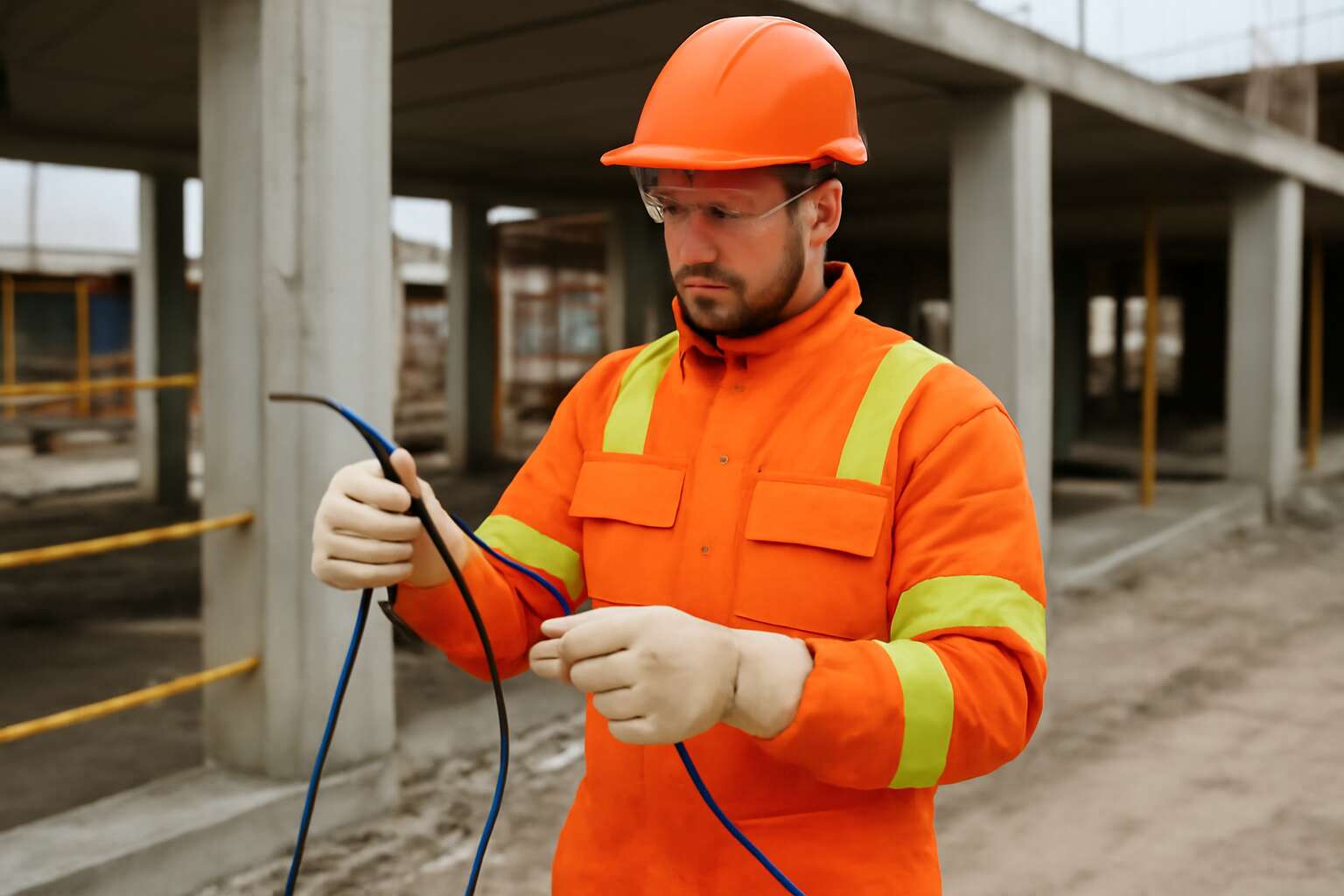
Understanding Electrical PPE Clothing
What is Electrical PPE Clothing?
Electrical PPE clothing stands as the resilient armor for those brave enough to dance with danger’s edge. It’s more than mere fabric; it’s a barrier forged from innovation, designed to shield against the unpredictable forces of electricity that lurk in every wire and circuit. When the sparks fly and the voltage surges, this specialized apparel becomes a silent sentinel, whispering safety into the chaos.
Understanding electrical PPE clothing involves appreciating its core purpose: to prevent injury and save lives in environments where electrical hazards threaten to turn routine tasks into tragedy. Crafted from flame-resistant materials, these garments are engineered to withstand arc flashes and electrical shocks, providing a vital line of defense. Their design adheres to rigorous standards, ensuring that each piece—be it insulating gloves, flame-retardant coveralls, or insulating mats—serves as a critical safeguard.
- Protection against arc flashes
- Insulation from electrical shocks
- Durability in harsh working conditions
In the realm of electrical safety, choosing the right electrical PPE clothing is more than a precaution—it’s a moral imperative. Each fiber woven into these garments echoes a commitment to preserving life and maintaining the integrity of every worker’s journey through the wire’s wild domain.
Importance of PPE in Electrical Work
Electrical work ranks among the most perilous professions, with statistics revealing that electrical accidents account for a significant portion of industrial injuries in South Africa. This stark reality underscores the critical importance of proper protection—particularly electrical PPE clothing. When working near live wires or high-voltage circuits, the difference between safety and tragedy can hinge on a single decision: wearing the right gear.
Electrical PPE clothing isn’t just a precaution; it is a vital barrier that shields workers from unpredictable electrical hazards. It provides essential insulation from shocks and arc flashes, which can cause devastating burns or even loss of life. Every piece of electrical PPE clothing, from flame-resistant coveralls to insulating gloves, is designed with rigorous safety standards in mind, ensuring durability and resilience in demanding environments.
In environments where electrical hazards are commonplace, the importance of PPE cannot be overstated. Properly chosen electrical PPE clothing acts as a silent guardian, transforming high-risk tasks into safer endeavors. It’s a tangible demonstration of commitment to safety, protecting the human element at the core of every electrical operation.
Types of Electrical PPE Clothing
Understanding the different types of electrical PPE clothing is essential for anyone working in high-voltage environments. Each piece is crafted to serve a specific purpose, ensuring comprehensive protection against electrical hazards. From flame-resistant coveralls to insulating gloves, these garments are built with specialized materials that provide critical insulation and durability. The right combination of electrical PPE clothing can mean the difference between safety and catastrophe.
In environments riddled with electrical risks, choosing the appropriate PPE is not a matter of guesswork. Here’s a quick overview of the key types:
- Flame-resistant coveralls – These garments are designed to withstand arc flash incidents, reducing burn severity and preventing injuries.
- Insulating gloves – Essential for handling live wires, these gloves are tested to meet rigorous standards for dielectric strength.
- Voltage-rated footwear – Protecting feet from electrical shocks, these boots are an often-overlooked but vital component of electrical PPE clothing.
- Arc flash suits – Offering full-body protection, arc flash suits are used during high-voltage repairs or maintenance, acting as an impenetrable barrier against intense heat and energy surges.
Each of these pieces plays a pivotal role in bolstering safety protocols. When combined, they form a layered defense—an almost supernatural shield—against unpredictable electrical hazards, ensuring workers remain protected in the most perilous situations.
Key Features of Electrical PPE Clothing
Safety Standards and Certifications
In the realm of electrical ppe clothing, adherence to robust safety standards is not just recommended — it’s essential. These standards serve as the backbone of reliable protection, ensuring that workers are shielded from unpredictable electrical hazards. Certifications such as IEC 61482 and ASTM F1506 set rigorous benchmarks for flame resistance, durability, and electrical arc protection. When a piece of electrical ppe clothing bears these certifications, it signifies a commitment to uncompromising safety and quality.
One of the core features of certified electrical ppe clothing is its ability to withstand high-voltage arcs while maintaining flexibility and comfort. This is crucial in South African workplaces where electrical work often involves unpredictable conditions. Safety standards also specify testing procedures that garments must pass, such as arc thermal performance tests, ensuring their resilience during critical moments. The integration of these standards creates a safety net, turning potential hazards into manageable risks.
Understanding the key features of these safety standards helps professionals select the most reliable electrical ppe clothing. Key attributes include:
- High dielectric strength for electrical insulation
- Enhanced flame-resistant properties
- Durability against wear and tear
- Comfortable fit for prolonged wear
Suppliers committed to these certifications demonstrate their dedication to safety, offering peace of mind amidst the unpredictable landscape of electrical work. In this high-stakes environment, knowing your electrical ppe clothing meets stringent safety standards is not just wise — it’s life-saving!
Material Composition for Electrical Safety
When it comes to electrical ppe clothing, the material composition is the silent guardian of safety, often overlooked but absolutely vital. The fabric’s ability to resist electrical arcs and withstand high temperatures hinges on its intricate blend of fibers, each chosen for their specific protective qualities. Flame-resistant (FR) fibers like aramid or modacrylic are staples, offering a resilient barrier that prevents ignition and self-extinguishes upon exposure to flames.
Beyond flame resistance, the dielectric properties of the material are paramount. High dielectric strength ensures that electrical currents do not traverse through the clothing, reducing the risk of arc flash injuries. To enhance durability, manufacturers often incorporate a blend of toughened synthetic fibers that resist wear, tears, and abrasions, which are common in demanding environments. The combination of these components not only guarantees safety but also maintains comfort for those who wear electrical ppe clothing daily.
- Flame-resistant fibers like aramid or modacrylic
- High dielectric strength for electrical insulation
- Durability against mechanical wear and tear
- Breathable, moisture-wicking layers for long shifts
Design Elements for Enhanced Protection
Electrical PPE clothing is more than just fabric—it’s a meticulously crafted barrier against unseen dangers. The design elements of high-quality electrical PPE clothing must seamlessly integrate safety and comfort, often a challenging balancing act. Key features focus on ensuring that each layer performs a specific protective function while allowing freedom of movement essential for demanding environments.
One crucial aspect is the use of flame-resistant fibers like aramid or modacrylic, which form the backbone of protective fabric. These fibers resist ignition, self-extinguish, and prevent flames from spreading. Additionally, high dielectric strength is incorporated to provide superior electrical insulation, reducing the risk of arc flash injuries. Durability is equally vital—toughened synthetic fibers resist tears, abrasions, and mechanical wear, prolonging the lifespan of electrical PPE clothing even in rough conditions.
To enhance wearer comfort during long shifts, breathable, moisture-wicking layers are integrated into the design. These layers prevent heat buildup and keep sweat at bay, ensuring that safety does not come at the expense of comfort. In essence, the key design elements of electrical PPE clothing are carefully curated to create a resilient yet adaptable garment that stands up to the rigors of electrical work, all while safeguarding human life with unwavering precision.
Comfort and Durability
Electrical PPE clothing isn’t just about meeting safety standards—it’s about creating a barrier that withstands the harsh realities of electrical work while ensuring wearer comfort. The key to this balance lies in carefully selected materials that deliver durability and flexibility. High-quality electrical PPE clothing features flame-resistant fibers such as aramid and modacrylic, which resist ignition and self-extinguish, offering peace of mind on the toughest job sites.
Durability is a cornerstone of effective electrical PPE clothing. Toughened synthetic fibers resist tears, abrasions, and mechanical wear, extending the lifespan of garments even in rugged environments. To complement this resilience, many designs incorporate breathable, moisture-wicking layers that prevent heat buildup and keep sweat at bay—crucial for maintaining focus during long shifts. For added protection, some features include:
- High dielectric strength for superior electrical insulation
- Seamless integration of multiple protective layers
- Ergonomic cuts that allow freedom of movement
Ultimately, the best electrical PPE clothing combines these elements to provide a resilient and adaptable barrier—one that guards human life with unwavering precision, without sacrificing comfort or flexibility in the field.
Types of Electrical PPE Clothing
Arc Flash Clothing
When it comes to electrical ppe clothing, not all gear is created equal—some pieces are designed to withstand the unpredictable fury of an arc flash, while others might leave you more exposed than a tourist without a map. Arc flash clothing is a specialized subset of electrical ppe clothing, engineered to provide a fortress of protection against the blistering heat and explosive energy unleashed during electrical faults.
These garments come in various forms, each tailored to different levels of risk. For instance, you might encounter:
- Flame-resistant shirts and pants that shrug off sparks like a superhero’s cape
- Full-body suits that transform ordinary workers into mobile fire-retardant fortresses
- Insulating gloves and sleeves that offer a barrier of safety between you and the electrical chaos
Choosing the right arc flash clothing within your electrical ppe wardrobe isn’t just about safety; it’s about peace of mind in the face of South Africa’s unpredictable electrical environment. Remember, the right electrical ppe clothing can turn a potential disaster into just another day at the office—albeit a very well-protected one!
Insulated Gloves and Sleeves
Among the most vital components of electrical ppe clothing are insulated gloves and sleeves, designed to create an almost impenetrable barrier between the worker and the dangerous currents. These garments are crafted from specially formulated rubber or leather, offering exceptional dielectric properties that withstand high voltage and prevent electrical shocks. Their flexibility and dexterity are crucial, allowing technicians to work efficiently while remaining safe in high-risk environments.
In the realm of electrical ppe clothing, the importance of proper insulation cannot be overstated. Workers often choose from a variety of glove and sleeve options based on the voltage level they encounter daily. For instance, insulating gloves come in different classes, each tested and certified to meet specific safety standards. Similarly, sleeves extend the protective envelope, shielding arms from arcs and accidental contact, thus transforming ordinary safety gear into a veritable shield of protection.
To streamline choices, many professionals rely on a simple yet effective classification system:
- Voltage rating
- Material quality
- Comfort and flexibility
- Certification and compliance
When it comes to electrical ppe clothing, selecting the right insulated gloves and sleeves isn’t just about compliance — it’s about empowering workers to face unpredictable electrical environments with confidence and resilience. These essential pieces elevate safety from mere protocol to a second skin, ensuring every spark is met with prepared precision.
Electrical Hazard Jackets and Pants
Electrical hazard jackets and pants are essential components of electrical ppe clothing, providing a sturdy barrier against arc flashes and electrical contact. These garments are specifically designed to withstand high temperatures and prevent burns, offering both protection and peace of mind for workers in high-voltage environments. Unlike standard workwear, electrical hazard jackets and pants incorporate flame-resistant fabrics and reinforced seams, ensuring durability in demanding conditions.
Many of these protective garments are equipped with multiple layers of insulating material, which serve to absorb and dissipate electrical energy. They often feature reflective strips for visibility and adjustable fittings for comfort during long shifts. When selecting electrical hazard jackets and pants, it’s crucial to consider the voltage classification, as different levels of protection are required for various electrical tasks.
- Material quality and flame resistance
- Ergonomic design for ease of movement
- Certification to meet South African safety standards
In essence, electrical hazard jackets and pants are more than just PPE—they’re a vital line of defense that transforms ordinary protective gear into a reliable shield against electrical risks. Properly chosen and maintained, they empower workers to operate confidently in environments where danger lurks behind every wire and switch.
Voltage Rated Clothing
In the realm of electrical safety, understanding the different types of electrical PPE clothing is crucial for safeguarding workers in high-voltage environments. Not all electrical ppe clothing offers the same level of protection; instead, it is classified based on voltage ratings that determine its suitability for specific tasks. For instance, voltage rated clothing is meticulously engineered to withstand particular electrical hazards, providing a reliable barrier against arc flashes and electrical contact. This distinction is vital because the integrity of the protective gear directly correlates with the severity of potential injuries.
Electrical hazard jackets and pants are tailored for different voltage levels, often categorized into classes such as Class 00, 0, 1, and 2, each corresponding to specific voltage thresholds. Selecting the appropriate electrical PPE clothing involves not only understanding these classifications but also considering the operational environment’s unique demands. In some cases, layered insulation or arc-rated fabrics are incorporated to enhance protection, ensuring that the wearer remains safe even in unpredictable electrical incidents. The right choice of electrical PPE clothing becomes a moral imperative, transforming mere fabric into a shield that preserves life amid danger’s relentless grip.
Ensuring that electrical ppe clothing meets South African safety standards adds another layer of assurance. The right gear—classified and rated for the task—becomes more than PPE; it becomes a testament to a worker’s right to safety and dignity amidst peril. When the stakes are high, the difference lies in precise, informed choices—because in the world of electrical safety, complacency is not an option.
Choosing the Right Electrical PPE Clothing
Factors to Consider
Choosing the right electrical PPE clothing is a critical step in safeguarding those who work amidst the unpredictable dance of electricity. With South Africa’s rugged terrains and complex power demands, selecting PPE that balances protection and comfort isn’t just a preference—it’s a necessity. The ideal electrical PPE clothing must be meticulously tailored to withstand the rigors of high-voltage environments while allowing for mobility and breathability.
Factors such as voltage rating, material durability, and compliance with safety standards are paramount. For instance, PPE rated for higher voltages offers an added layer of protection, especially in industrial settings. Additionally, considering the climate and working conditions ensures that the electrical PPE clothing remains effective without sacrificing comfort. After all, a well-chosen ensemble not only shields but also empowers workers to perform their tasks with confidence and precision.
Voltage Ratings and PPE Approvals
Choosing the right electrical PPE clothing isn’t just about meeting standards; it’s about ensuring safety in environments where a single spark can change everything. Voltage ratings are critical in this selection process, as they determine the level of protection needed for specific tasks. PPE rated for higher voltages, such as those exceeding 1000V, provide an essential barrier against dangerous electrical arcs and shocks. It’s vital to match the PPE’s voltage rating precisely to the electrical work’s requirements, preventing gaps in defense that could be catastrophic.
Equally important are the PPE approvals—certifications that verify the clothing adheres to stringent safety standards. In South Africa, look for PPE clothing that bears recognized certifications like SABS or IEC standards, which guarantee resilience and reliability. These approvals serve as a safeguard, confirming that the electrical PPE clothing has undergone rigorous testing and is fit for purpose. When selecting PPE, a keen eye on these details transforms mere protective gear into a formidable shield against unseen hazards.
Fit and Size Considerations
When it comes to electrical PPE clothing, the fit isn’t just a matter of comfort—it’s a critical safety factor that can make or break your protection in high-stakes environments. Ill-fitting gear can create gaps in coverage, reduce mobility, and even increase the risk of injury. Ensuring the correct size means the difference between a seamless barrier against electrical hazards and a potential point of failure.
Proper sizing isn’t simply about choosing the largest or smallest option; it involves precise measurements and understanding how the clothing interacts with your body during movement. Well-fitted electrical PPE clothing should allow unrestricted motion without bunching or tightness that could compromise safety or durability. Remember, PPE that fits correctly stays in place, maintains its protective properties, and provides peace of mind during demanding electrical tasks.
- Measure your body carefully—pay special attention to the chest, waist, and inseam.
- Consult sizing charts specific to electrical PPE clothing brands for accurate fit.
- Try on different sizes if possible—comfort and mobility are non-negotiable in hazardous environments.
In the realm of electrical safety, selecting PPE clothing with the right fit and size isn’t just a preference, it’s an imperative. The stakes are high, and every detail counts—because in the world of electrical work, a perfect fit could be your best line of defense against unforeseen dangers.
Climate and Work Environment
Choosing the right electrical PPE clothing depends heavily on the climate and work environment. In South Africa, where temperatures can soar or drop unexpectedly, selecting gear that provides both protection and comfort is essential. High heat conditions require lightweight, breathable electrical PPE clothing to prevent overheating, while colder environments call for insulated options that retain body warmth without sacrificing safety.
For outdoor electrical work, consider the impact of weather elements such as rain or wind. Waterproof or water-resistant electrical PPE clothing can significantly improve safety and comfort during wet conditions. Conversely, in indoor or controlled environments, flexibility and ease of movement might take precedence, emphasizing the importance of appropriate fabric choices.
Understanding the specific demands of your work environment helps in choosing electrical PPE clothing that offers optimal protection. For example, if working near high-voltage equipment, ensure the PPE has the correct voltage rating and durability for prolonged use. Balancing climate considerations with safety standards ensures that your electrical PPE clothing not only protects but also performs under real-world conditions.
Maintenance and Inspection of Electrical PPE Clothing
Proper Cleaning and Storage
Electrical PPE clothing isn’t just about throwing on a fancy jacket and hoping for the best—proper maintenance and inspection are the unsung heroes of electrical safety. Over time, even the sturdiest electrical PPE clothing can degrade, losing its protective edge and risking lives rather than saving them. Regular inspections help catch tears, burns, or wear that might compromise insulation properties, ensuring your gear remains a reliable barrier against electrical hazards.
Proper cleaning and storage are equally vital. Dirt, sweat, and electrical arc residues can weaken protective materials if not properly cleaned. Use mild detergents and avoid harsh chemicals that could deteriorate fabric integrity. When not in use, store your electrical PPE clothing in a cool, dry place away from direct sunlight—UV rays can cause fabric to become brittle and less effective. Remember, a well-maintained PPE wardrobe isn’t just about safety; it extends the lifespan of your gear significantly.
To keep things organized and thorough, consider implementing a routine such as:
- Visual inspections before and after each shift
- Scheduled deep cleans every few months
- Tracking wear and tear to replace items proactively
Failing to adhere to these maintenance practices could mean the difference between a safe working environment and a costly electrical mishap. Your electrical PPE clothing deserves the same respect as your tools—careful inspection and cleaning are the keys to longevity and safety in the high-stakes world of electrical work.
Inspection Routine
Maintaining the integrity of electrical PPE clothing is not just a matter of routine; it’s a critical safeguard against unforeseen electrical hazards. Regular inspection routines serve as the first line of defense, catching subtle signs of wear that might otherwise go unnoticed. Visual checks before each shift can reveal frayed seams, burns, or tears, all of which diminish the protective qualities of the gear. It’s surprising how small damages can compromise insulation, putting workers at unnecessary risk.
Implementing a structured inspection schedule ensures that PPE remains reliable over time. Consider adopting a systematic approach such as:
- Daily visual inspections before and after each shift
- Scheduled deep cleans every few months to remove dirt and arc residues
- Keeping detailed records of wear and tear to facilitate timely replacement
This proactive approach not only extends the lifespan of your electrical PPE clothing but also fortifies safety protocols, reducing potential electrical mishaps. Remember, vigilance in inspection routines is vital—your safety depends on it! Proper maintenance and diligent inspections are the backbone of effective electrical PPE clothing management, ensuring every piece remains a steadfast barrier against electrical dangers.
Replacing Worn or Damaged PPE
Electrical PPE clothing is more than just a safeguard—it’s a shield that stands between workers and the invisible threat of electrical current. When it comes to maintaining this vital gear, replacing worn or damaged PPE is paramount to upholding the highest standards of safety. Over time, even the most durable electrical PPE clothing can succumb to the relentless effects of wear, exposure to arc flashes, or environmental factors.
Unnoticed tears, frayed seams, or compromised insulation diminish the protective qualities of electrical PPE clothing, leaving workers vulnerable. Regular inspection routines, coupled with prompt replacement of compromised items, create a formidable barrier against electrical hazards. For efficiency, consider implementing a systematic process—such as:
- Immediate replacement of damaged gloves, jackets, or pants
- Scheduled checks for wear and tear during routine inspections
- Keeping detailed records of PPE condition and replacement history
By prioritizing the upkeep of electrical PPE clothing, companies foster a culture of safety that is both proactive and resilient. This vigilance ensures every piece functions as intended—an unyielding guardian in the face of electrical danger, protecting invaluable lives beneath the heavy weight of responsibility.
Regulations and Standards for Electrical PPE
OSHA and ANSI Guidelines
Regulations and standards govern the use of electrical PPE clothing to ensure worker safety and compliance. In South Africa, OSHA guidelines set strict requirements for electrical hazard protection, emphasizing the importance of proper PPE selection. Similarly, ANSI standards provide a framework for electrical PPE clothing, detailing voltage ratings, durability, and testing protocols. These standards help prevent electrical injuries and ensure PPE performance under demanding conditions.
Understanding these regulations is crucial. They specify the minimum requirements for electrical PPE clothing, including material composition, insulation properties, and design features. For instance, PPE must be rated for specific voltage levels, and manufacturers must provide clear labels indicating compliance. Adhering to these standards not only enhances safety but also reduces liability for employers and workers alike. Ensuring your electrical PPE clothing meets these benchmarks is non-negotiable in high-risk environments.
IEC Standards
In the shadowed corridors of electrical safety, regulations and standards serve as the invisible wardens, enforcing a silence that guards lives. IEC standards—an international beacon—dictate the very fabric of electrical PPE clothing, ensuring that each stitch and seam meets rigorous criteria for insulation, durability, and performance. These standards are not mere guidelines but a fortress protecting workers from the lurking menace of electrical arcs and shocks.
South Africa’s stringent compliance requirements echo this global vigilance, demanding that electrical PPE clothing bear precise voltage ratings and certified testing labels. Such regulations are a vital safeguard, illuminating the path through the labyrinth of high-voltage hazards. To navigate this landscape, manufacturers often adhere to IEC standards and other certification protocols, emphasizing that PPE must withstand the relentless stresses imposed by electrical environments.
- Voltage ratings that specify the maximum voltage the PPE can safely handle.
- Material certifications that verify insulation integrity under duress.
- Design features that enhance protection without sacrificing mobility.
For those who toil in the shadows of high-voltage systems, understanding these standards transforms mere electrical PPE clothing from simple gear into a vital shield—an unyielding barrier against unseen dangers. The adherence to such standards is not only a matter of compliance but a testament to the unwavering commitment to safety in the relentless, enigmatic world of electrical work.
Compliance for Different Regions
Across the globe, regulations and standards serve as an unyielding promise—an unbreakable covenant—between safety and professionalism in electrical work. In South Africa, where the power of the high-voltage currents hums beneath our feet, compliance with regional standards is paramount. Electrical PPE clothing must bear the mark of certified testing labels and adhere to specific voltage ratings, ensuring that each piece provides a fortress of insulation and durability against electrical arcs and shocks.
Internationally, IEC standards stand as a luminous beacon, guiding manufacturers and safety officers alike toward uniformity and excellence. For regions with stringent compliance requirements, such as South Africa, understanding the nuanced differences between regional and global standards is vital. These standards often encompass:
- Voltage ratings that specify the maximum voltage the electrical ppe clothing can safely handle.
- Material certifications that verify insulation integrity under stress.
- Design features that strike a delicate balance between protection and mobility.
Whether in the shadowed corridors of high-voltage substations or on the rugged terrain of construction sites, adherence to these regulations transforms electrical PPE clothing from mere gear into a vital shield—an unyielding barrier against unseen dangers. In this silent ballet of safety, each regulation and standard becomes a stanza in the enduring poem of electrical safety, echoing the relentless commitment to safeguarding lives amidst the enigmatic dance of electricity.
Where to Buy Electrical PPE Clothing
Reputable Suppliers and Brands
In the realm of electrical safety, where every spark and current whispers the secrets of power, sourcing reliable electrical PPE clothing is paramount. South Africa’s electrical industry demands not only adherence to strict safety standards but also assurance from reputable suppliers that their gear can withstand the rigours of high-voltage environments. The quest for quality electrical PPE clothing often leads professionals to trusted brands that have built their reputation on durability, comfort, and uncompromising safety.
Reputable suppliers such as South African Safety Gear and Electrical Safety Supplies offer extensive selections of certified electrical PPE clothing, ensuring compliance with both local and international standards. These vendors are known for their meticulous selection process, offering products that meet IEC standards and OSHA guidelines. Choosing from trusted brands guarantees that the electrical PPE clothing not only protects but also endures the demands of daily use, providing peace of mind during complex electrical tasks.
- Official distributors of top-tier electrical PPE clothing
- Certified protective gear with rigorous safety testing
- Wide range of sizes and climate-specific options for South African workplaces
When venturing into the market for electrical PPE clothing, prioritize suppliers who uphold transparency about their product certifications and safety approvals. This ensures that every piece of gear, from arc flash clothing to insulated gloves, offers optimal protection tailored to the voltage ratings encountered in South Africa’s diverse electrical landscape. Reliable brands and reputable suppliers are your best allies in creating a safe, compliant workspace where electrical hazards are effectively mitigated.
Online vs. In-store Purchase Options
When it comes to acquiring electrical PPE clothing, the decision between shopping online or visiting a physical store can significantly impact your safety and convenience. Online stores offer the advantage of browsing a vast selection of certified electrical PPE clothing from the comfort of your workspace or home. With just a few clicks, you can compare brands, read reviews, and access detailed product specifications that ensure compliance with safety standards.
In contrast, purchasing in-store provides an immediate opportunity to physically inspect the fit and fabric of electrical PPE clothing. This tactile experience is crucial when selecting gear that must withstand the rigours of electrical work. South African suppliers often have knowledgeable staff on hand who can guide you through the latest innovations in electrical PPE clothing, ensuring you receive gear tailored to your specific voltage ratings and work environment.
For added convenience, many reputable suppliers now offer a hybrid approach, allowing you to order online with confidence while also providing the option to visit their local branches. Whether you prefer the immediacy of in-store shopping or the ease of online browsing, ensuring your electrical PPE clothing is certified, durable, and fits perfectly remains paramount for your safety and peace of mind.
Customizable PPE Solutions
Where can you find the pinnacle of electrical PPE clothing that combines safety, durability, and adaptability? The answer isn’t just in the familiar aisles of local suppliers; it’s also woven into the fabric of the digital marketplace. Reputable online stores specializing in electrical PPE clothing offer an expansive selection that caters to South Africa’s diverse electrical environments. These platforms often feature detailed product descriptions, certification badges, and customer reviews, helping you make informed choices without leaving your workspace.
For those who prefer a tactile approach, numerous local suppliers and specialty stores provide customizable PPE solutions. They offer personalized fittings, ensuring your electrical PPE clothing fits like a second skin—crucial for comfort during long shifts. Some suppliers even boast advanced design options, allowing you to select PPE that aligns with specific voltage ratings and environmental conditions.
- Visit trusted online stores renowned for their comprehensive range of electrical PPE clothing.
- Engage with local suppliers known for their tailored PPE solutions and expert guidance.
- Explore hybrid options that combine the convenience of online browsing with the tactile assurance of in-person fittings.
In the end, whether you’re browsing the virtual shelves or consulting with seasoned professionals, the goal remains the same: to secure electrical PPE clothing that is certified, resilient, and perfectly suited to your unique work environment. The right gear isn’t just a matter of compliance—it’s your shield in the electrifying dance of safety and precision.
Best Practices for Using Electrical PPE Clothing
Proper Donning and Doffing Techniques
Ensuring safety when handling high-voltage equipment begins long before you step onto the worksite. Proper donning and doffing techniques for electrical PPE clothing are critical to maintaining protective integrity and avoiding costly accidents. Incorrect procedures can compromise the safety features that these garments provide, exposing workers to unnecessary risk. It’s essential to follow a systematic process that minimizes contamination and damage to the PPE.
Start by inspecting your electrical PPE clothing thoroughly—look for tears, frayed seams, or stains that could indicate compromised protection. When donning, make sure each piece fits snugly but comfortably, avoiding any gaps that could expose skin or conductive materials. Conversely, doffing should be deliberate, with gloves removed carefully to prevent contamination or damage to the clothing.
Remember, always follow manufacturer instructions and safety standards to ensure your electrical PPE clothing functions optimally. This disciplined approach not only prolongs the lifespan of your protective gear but also guarantees your safety in high-risk environments.
Integration with Other Safety Equipment
When it comes to electrical PPE clothing, the magic lies not just in donning it but in how seamlessly it integrates with your entire safety arsenal. Think of safety gear as the Batman suit—impressive, but only if worn correctly and in harmony with other protective measures. Ensuring compatibility with helmets, insulating mats, and fall arrest systems transforms your worksite into a fortress of safety rather than a ticking time bomb.
One of the most overlooked aspects is the order of equipment use. For instance, slipping on electrical PPE clothing before donning insulating gloves or safety harnesses can make all the difference in preventing accidental contact with live wires. An orderly approach—perhaps following a step-by-step checklist—can enhance protection and reduce the likelihood of contamination or damage to your gear. Remember, a well-coordinated safety outfit isn’t just about compliance; it’s about staying alive and kicking in high-voltage environments.
To maximize safety, consider the following best practices for using electrical PPE clothing in tandem with other safety equipment:
- Ensure electrical PPE clothing is properly rated for the voltage level you’re working with. No point in wearing gear rated for 1kV when you’re dealing with 33kV!
- Match your electrical PPE clothing with insulated gloves and sleeves that are compatible in terms of voltage rating and material. Compatibility is king.
- Always wear a safety helmet and face shield to safeguard against arc flashes or flying debris that can compromise your PPE’s integrity.
- Double-check that your work boots have non-conductive soles, creating a layered barrier against ground faults.
- Use insulating mats and barriers in conjunction with electrical PPE clothing to create a comprehensive protective environment.
By meticulously coordinating your electrical PPE clothing with other safety equipment, you create a multi-layered defense that’s tougher than a South African biltong seller’s skin. It’s this synergy that can turn a potentially catastrophic electrical incident into a mere blip on the safety radar—and isn’t that what every professional truly wants?
Training and Awareness
In the realm of electrical safety, mere possession of electrical PPE clothing is not enough to fend off the high-voltage beast. Instead, mastery lies in the disciplined art of training and awareness—an unyielding commitment to understanding every nuance of your protective ensemble. Skilled workers who are well-versed in proper usage are like seasoned warriors, knowing exactly when to don each piece of electrical PPE clothing and how to integrate it seamlessly into their safety routine.
Regular training sessions should emphasize the importance of a systematic approach—following a step-by-step checklist ensures nothing is overlooked. For instance, donning electrical PPE clothing before insulating gloves and safety harnesses creates a layered shield against danger. Awareness also extends to recognizing the signs of wear and tear, which can compromise the integrity of your gear. An informed worker is an empowered worker, capable of identifying hazards before they escalate into incidents.
To foster this culture of safety, some companies implement structured training programs that include practical demonstrations and scenario-based exercises. These initiatives not only reinforce proper techniques but also instill a vigilant mindset essential for working with high-voltage equipment. Remember, the true strength of electrical PPE clothing is amplified when paired with a well-trained and alert team—making the work environment safer and more resilient against the unpredictable nature of electrical hazards.


0 Comments