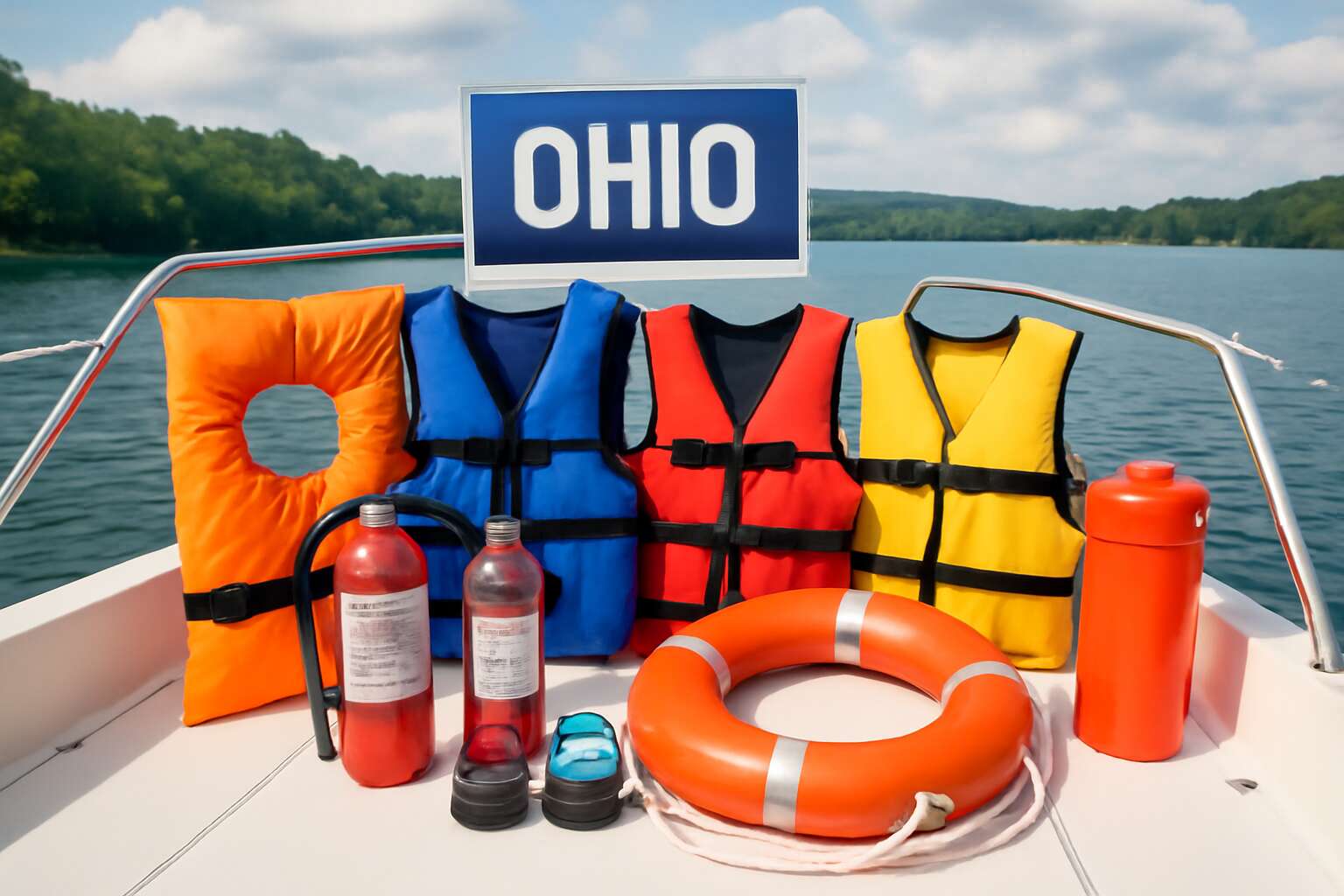
Essential Coast Guard-Required Safety Equipment for Ohio Boats
Life Jackets and Personal Flotation Devices – Types, number, and placement requirements
When navigating Ohio’s shimmering lakes and winding rivers, understanding what safety equipment is required on a boat in Ohio isn’t just a regulation—it’s a matter of life and safety. Coast Guard regulations emphasize the critical importance of life jackets and personal flotation devices (PFDs), ensuring every passenger’s safety is prioritized on the water.
Ohio law mandates that each person on board must wear a U.S. Coast Guard-approved life jacket or PFD suitable for their age and size. These devices come in various types, including throwable cushions and wearable vests, each designed to provide buoyancy and keep individuals afloat in emergencies. Proper placement and sufficient quantity are equally vital; for example, every vessel must carry a life jacket for each passenger, with at least one Type IV throwable device accessible within easy reach. This ensures that safety equipment is not only available but strategically positioned to maximize effectiveness in critical moments.
Throwable Flotation Devices – Requirements for throwable devices like ring buoys and cushions
Throwable flotation devices are a crucial part of Ohio’s boating safety requirements. These devices, such as ring buoys and rescue cushions, are designed to be thrown to someone in distress, providing immediate buoyancy and support. Ohio law mandates that every vessel must carry at least one Type IV throwable device, easily accessible in case of emergencies. This requirement helps ensure quick response times, potentially saving lives in critical moments.
In addition to personal flotation devices, Ohio’s regulations specify the types of throwable flotation devices needed on different vessels. These include:
- Ring buoys with reflective tape for visibility
- Rescue cushions with handles for easy retrieval
Proper placement of these throwable devices is just as important as having them onboard. They should be stored in locations that are easy to reach quickly, such as near the helm or on the deck’s exterior. Ensuring the presence and accessibility of throwable flotation devices is a vital aspect of what safety equipment is required on a boat in Ohio, reinforcing safety and preparedness on Ohio’s lakes and rivers.
Navigation Lighting – Proper lighting for night operation and visibility standards
As darkness falls on Ohio’s shimmering lakes, the importance of proper navigation lighting becomes glaringly obvious—pun intended! Proper boating safety equipment isn’t just a bureaucratic checkbox; it’s the beacon that guides you safely through moonlit waters. Ohio law mandates that vessels equipped for night operation must display specific navigation lights to ensure visibility and prevent mishaps. These lights include red and green sidelights, a stern light, and an all-around white light when anchored or at rest. Without them, you’re essentially sailing blind, risking more than just a fine.
Ensuring compliance with Ohio’s boating safety standards means paying attention to the details. For example, navigation lighting must be visible from a distance of at least 2 miles and operate correctly during hours of darkness or reduced visibility. This simple yet vital safety equipment guarantees that other boaters can see your vessel’s position, direction, and status—preventing collisions and safeguarding lives. When asking yourself, “what safety equipment is required on a boat in Ohio,” navigation lighting is among the essential items that ensure your vessel is compliant and safe for night adventures.
Sound-Producing Devices – Horns, whistles, and bells for signaling
Amidst Ohio’s tranquil lakes, where the water’s mirror reflects both the beauty and unpredictability of nature, sound-producing devices emerge as silent guardians of safety. These essential tools—horns, whistles, and bells—serve as the language of the water, a way to communicate intentions and alert fellow boaters of your presence. In the dance of the waves, they are the voice that cuts through the silence, ensuring your vessel’s signals are heard loud and clear.
Ohio law mandates that every vessel required to carry safety equipment must also be equipped with an appropriate sound-producing device. This is not merely a regulatory formality but a vital component of boating safety, especially in crowded or foggy conditions. A well-chosen horn or whistle can mean the difference between a collision and a courteous pass, a moment of danger averted by a simple, clear signal.
For boats navigating Ohio’s waters, the choice of sound device is often dictated by the vessel’s size and type.
- Small boats typically rely on a handheld whistle or horn
while larger vessels may be required to carry a more powerful, stationary horn or bell. The goal remains consistent: ensuring your signals are audible from at least half a mile away, allowing others to respond and maintain safe distances.
In the end, understanding what safety equipment is required on a boat in Ohio encompasses more than mere compliance—it’s about respecting the shared responsibility of safe passage. The sound-producing devices, though simple, serve as a vital thread in the fabric of maritime safety, echoing the timeless truth that communication can save lives amidst the unpredictable beauty of Ohio’s waterways.
Fire Extinguishers – Types, quantity, and accessibility requirements
Fire extinguishers are an indispensable element of Ohio’s comprehensive boating safety requirements. On Ohio’s shimmering lakes and rivers, where the tranquility can swiftly turn into chaos, being prepared with the right fire safety equipment can make all the difference. Ohio law stipulates that every vessel must carry a fire extinguisher—specifically, a Type B:C extinguisher suitable for flammable liquids and electrical fires. The quantity? At least one extinguisher is required for boats less than 26 feet, but larger vessels necessitate more, often up to three, depending on size and passenger capacity.
Accessibility is key—fire extinguishers must be readily available, properly maintained, and in good working condition. They should be mounted in visible, easy-to-reach locations, particularly near the engine and cooking areas, to ensure swift action in an emergency. Remember, the effectiveness of fire safety equipment hinges not only on compliance but on regular inspections and proper placement, transforming safety from a mere regulation into a vital safeguard for everyone on Ohio’s waterways.
Visual Distress Signals – Lifesaver signals for emergencies in Ohio waters
On Ohio’s sparkling waterways, where serenity can swiftly turn into chaos, the importance of visual distress signals cannot be overstated. Imagine a night when the sky darkens unexpectedly, and the only hope for rescue is a beacon of hope—an unmistakable flare piercing the gloom. Ohio law mandates that boats equipped for night operation carry approved visual distress signals, a vital lifeline in emergencies. These signals serve as a language of desperation, communicating distress when words are lost to the wind and water.
Such signals range from handheld flares to aerial parachute flares, each designed to cut through the darkness with fiery clarity. The purpose? To alert nearby vessels and rescue teams to your plight, transforming a desperate situation into a swift response. In Ohio waters, the right visual distress signals are not just a regulation—they are a vital safeguard for every vessel’s crew and passengers.
- Handheld Flare
- Aerial Parachute Flare
- Smoke Signal
Understanding what safety equipment is required on a boat in Ohio extends beyond the basics. Properly functioning visual distress signals act as the shining light of hope, providing clarity amidst chaos. They are an essential component of a comprehensive safety arsenal, ensuring that Ohio’s waterways remain both beautiful and safe for all who venture upon them.
Additional Safety Equipment Recommended for Ohio Boaters
First Aid Kits – Essential contents and maintenance
While the essentials like life jackets dominate discussions about boat safety, the importance of comprehensive first aid kits cannot be overstated. For Ohio boaters, having a well-stocked first aid kit is a critical component of safety equipment that often gets overlooked. In the unpredictable currents and shimmering lakes of Ohio, minor injuries can quickly escalate without prompt care.
Ensuring that your first aid kit contains antiseptic wipes, adhesive bandages, scissors, tweezers, and pain relievers is vital. Regular maintenance and inspection of these supplies guarantee readiness for any emergency. Remember, the best safety equipment on a boat isn’t just about compliance—it’s about preparedness for the unexpected. Ohio’s waterways demand vigilance, and a thorough first aid kit provides peace of mind amid the adventure.
Additionally, some boaters opt to include specialized items like instant cold packs, allergy medications, and even a flashlight with extra batteries. While these aren’t always mandated, they exemplify a proactive approach to what safety equipment is required on a boat in Ohio. By combining these thoughtful additions with the mandated gear, every Ohio boater can navigate the waters with confidence and security.
Emergency Flares and Signaling Devices – Types and usage instructions
While Ohio’s pristine lakes and winding rivers beckon with promises of leisure and adventure, they also demand a keen eye for safety—especially when pondering what safety equipment is required on a boat in Ohio. Among the most overlooked yet crucial items are emergency flares and signaling devices. In a split second, these tools can transform an ominous situation into a manageable rescue, making them indispensable for every vessel navigating Ohio waters.
There are various types of signaling devices, each suited to different scenarios. Visual distress signals such as flares, signal mirrors, and flags are the societal Morse code of emergencies—bright, unmistakable, and capable of piercing the Ohio sky or shimmering lake surface. Proper usage involves understanding that flares should be stored in waterproof containers and used only when necessary; their bright bursts of light are designed to attract attention from miles away.
To streamline safety preparedness, some boaters prefer to carry an ordered list of essential signaling devices:
- Handheld flares and parachute flares for daytime and nighttime use
- Signal mirrors for silent signaling over long distances
- Whistles or horns as a backup alert method
In Ohio, knowing how to deploy these devices not only fulfills legal requirements but also exemplifies the vigilance that keeps everyone safe. When the waters are calm or turbulent, a well-stocked arsenal of emergency flares and signaling devices ensures that your journey remains both exhilarating and secure—because in the end, the best safety equipment isn’t just about what’s mandated; it’s about being proactive in the face of the unpredictable.
VHF Marine Radio – Communication devices for safety and emergencies
While Ohio’s lakes and rivers offer endless opportunities for adventure, they also demand vigilant safety measures. Among the most vital pieces of safety equipment for Ohio boaters is a VHF marine radio. This communication device acts as a lifeline during emergencies, providing instant contact with rescue services or nearby vessels. In situations where visual signals might not be visible—such as foggy mornings or nighttime crossings—a reliable VHF radio can be the difference between safety and disaster.
Using a VHF marine radio isn’t just about compliance; it’s about peace of mind. Ohio law encourages boaters to carry this device, especially if venturing into remote or less-trafficked waters. With clear, crisp audio capabilities, a VHF radio ensures that help is always within reach. Many models come equipped with digital selective calling (DSC), allowing for quick distress signals and precise location sharing, which can streamline rescue efforts.
For added safety, some boaters prefer to carry a backup power source or portable units, ensuring communication remains uninterrupted even if the main system fails. Whether navigating Ohio’s winding rivers or expansive lakes, a VHF marine radio is an essential safety gear that complements the other required safety equipment on a boat in Ohio, reinforcing preparedness at every turn.
Bilge Pumps and Emergency Drainage Equipment – Preventing flooding and managing water ingress
While Ohio’s shimmering lakes and winding rivers beckon with promises of adventure, the true test of a boater’s mettle lies in preparedness. Among the essential layers of safety, bilge pumps and emergency drainage equipment are often overlooked yet remain vital in preventing disastrous flooding. When water breaches the hull, swift removal is paramount to maintaining stability and control. A reliable bilge pump acts as the silent guardian, tirelessly removing water and ensuring the vessel stays afloat in turbulent conditions.
Ohio law emphasizes the importance of managing water ingress, especially during unexpected storms or rough crossings. Having an emergency drainage system on board isn’t merely a recommendation; it’s a safeguard that could save lives. For added assurance, many boaters opt for portable or manual bilge pumps as backup measures, ensuring continuous operation even if the primary system falters.
- Regular inspection of bilge pumps and drainage equipment to ensure functionality.
- Keeping spare parts and batteries handy for quick repairs.
- Training all crew members on manual pump operation and emergency procedures.
In the grand tapestry of safety gear, these components weave a crucial thread—protecting vessels and lives alike. Knowing what safety equipment is required on a boat in Ohio extends beyond the basics; it encompasses every measure that fortifies the vessel against water intrusion, turning potential catastrophe into manageable challenges. When every drop of water is controlled, the journey becomes not only safer but infinitely more inspiring.
Navigation Charts and GPS Devices – Ensuring safe navigation in Ohio lakes and rivers
When navigating Ohio’s vast lakes and meandering rivers, relying solely on basic safety gear isn’t enough. Advanced navigation tools like GPS devices and detailed navigation charts are essential for ensuring safe passage through unfamiliar waters. These tools help boaters avoid hidden hazards such as submerged rocks, fallen trees, or shallow areas that can turn a peaceful voyage into a perilous ordeal.
Equipping your vessel with a reliable GPS device isn’t just a luxury; it’s a critical component of what safety equipment is required on a boat in Ohio. Modern GPS systems provide real-time positioning, weather updates, and route tracking, making them invaluable during sudden storms or low-visibility conditions. When combined with detailed Ohio lake and river charts, these devices create a comprehensive safety net for even the most seasoned boaters.
For added security, many Ohio boaters also carry backup navigation tools, such as paper charts or compasses, to ensure continuous orientation. Remember, in the unpredictable realm of watercraft safety, every piece of equipment plays a role in preserving life and vessel integrity. Navigating Ohio’s waters becomes not just about adventure, but about mastering the art of safe passage—anchored by the right navigation equipment.
Ohio State Boating Regulations and Compliance
Ohio Division of Watercraft Licensing Requirements – Legal obligations for boat safety equipment
Ohio’s pristine lakes and winding rivers beckon explorers and serenity seekers alike, yet beneath their tranquil surface lies a tapestry of legal obligations that safeguard every vessel’s journey. The Ohio Division of Watercraft enforces strict regulations to ensure that boaters are well-equipped for safety on the water. Understanding what safety equipment is required on a boat in Ohio isn’t just about compliance; it’s about preserving lives and fostering confidence in adventure.
Ohio’s licensing requirements mandate that every boat carries essential safety gear, from life jackets to signaling devices. These rules are crafted to prevent tragedy and promote responsible recreation. For instance, the law specifies that boats must have a sufficient number of personal flotation devices, appropriate fire extinguishers, and navigation lighting that meets visibility standards. Compliance with these regulations isn’t merely a legal obligation—it’s a pledge to protect oneself and fellow boaters whenever the water calls.
In Ohio, adherence to the division’s standards is paramount. The licensing requirements are designed not only to meet safety standards but also to cultivate a culture of preparedness. Whether operating a small fishing boat or a grand pontoon, understanding what safety equipment is required on a boat in Ohio ensures every outing remains a voyage of joy rather than peril. It’s a reminder that safety, like the gentle ripple of a calm lake, is fundamental to the beauty of boating in Ohio.
Inspection and Certification Procedures – How to ensure your safety gear meets Ohio standards
Ensuring your vessel meets Ohio’s stringent safety standards is vital for a secure and enjoyable boating experience on its stunning lakes and meandering rivers. Ohio State Boating Regulations mandate thorough compliance inspections and certification procedures, designed to uphold the integrity of safety gear across all vessels. These protocols not only verify that your safety equipment is present but also confirm that it adheres to the state’s exacting standards.
To guarantee your safety gear meets Ohio standards, it’s essential to undergo a comprehensive inspection process. This involves a detailed review of your boat’s safety equipment, including life jackets, fire extinguishers, and signaling devices. Ohio Division of Watercraft officials may perform on-site inspections or require documentation of compliance, ensuring that every item aligns with legal requirements. Remember, the purpose of these procedures is not merely bureaucratic; they are the foundation of safety, designed to prevent tragedy amid Ohio’s aquatic splendor.
Additionally, boats operating on Ohio waters often need to be certified or registered, and proof of compliance must be readily available. Proper maintenance of safety equipment—checking expiration dates on flares, ensuring navigational lights are functional, and verifying the accessibility of first aid kits—is paramount. Staying vigilant about these details guarantees not only legal adherence but also peace of mind, allowing every voyage to be a celebration of Ohio’s natural beauty rather than a gamble with safety.
Documentation and Registration – Importance of proper registration and safety documentation
Ohio’s lakes and rivers aren’t just postcard-perfect; they’re also a maze of regulations designed to keep everyone safe. When navigating Ohio waters, understanding what safety equipment is required on a boat in Ohio isn’t just bureaucratic red tape—it’s the difference between a memorable adventure and a trip to the emergency room. Proper registration and compliance documentation aren’t optional accessories; they’re legal lifelines that prove your vessel plays by Ohio’s safety rules. Without these documents, you risk hefty fines or worse, being turned back at the boat launch!
Ensuring your boat is properly registered and has the necessary safety documentation is a critical step in lawful boating. Ohio law mandates that all vessels display valid registration numbers and carry proof of ownership. Additionally, safety equipment inspections often require proof of compliance with the Ohio Division of Watercraft regulations, which oversee everything from life jackets to fire extinguishers. Think of these as the secret ingredients for a trouble-free voyage—skipping them could leave you stranded in more ways than one.
To streamline your compliance journey, consider this simple checklist:
- Ensure your boat registration is current and visibly displayed.
- Keep safety equipment inspection certificates on board.
- Maintain up-to-date documentation for safety gear, including life jackets, flares, and fire extinguishers.
Remember, Ohio’s boating regulations aren’t just about paperwork—they’re about peace of mind. Proper registration and safety documentation are your best allies in navigating Ohio’s aquatic playground, safeguarding you and your crew against unforeseen mishaps. After all, knowing what safety equipment is required on a boat in Ohio is the first step toward a smooth, legal, and safe adventure on the water.
Safety Tips for Ohio Boaters
Conducting Safety Checks Before Launch – Pre-departure safety inspections
Before setting sail on Ohio’s vast lakes and winding rivers, conducting a thorough safety check is essential—more than just a routine formality, it’s a critical safeguard for everyone onboard. Ohio’s waterways demand that boaters remain vigilant, ensuring all safety equipment is present, functional, and compliant with state regulations. A meticulous pre-departure safety inspection can mean the difference between a smooth voyage and a perilous situation unfolding unexpectedly.
Start by verifying that your vessel is equipped with the necessary safety gear, such as life jackets, fire extinguishers, and visual distress signals. Remember, Ohio law mandates specific requirements for what safety equipment is required on a boat in Ohio, and these standards are designed to protect lives in emergencies. Conduct a visual inspection of navigation lighting and sound-producing devices, ensuring they are in working order. Don’t overlook the importance of checking emergency communication devices like VHF marine radios, which can be vital during unforeseen incidents.
It’s advisable to perform a step-by-step safety check, including ensuring that bilge pumps are operational and emergency signaling devices are accessible. A well-organized safety gear kit, stored in a designated area, makes quick access simpler during stressful moments. Ohio’s boating regulations are clear—staying compliant with what safety equipment is required on a boat in Ohio isn’t just about following the law; it’s about safeguarding lives and securing peace of mind on the water.
Proper Use of Safety Equipment – Training and awareness tips
Ensuring the proper use of safety equipment on a boat in Ohio transcends mere compliance; it is the very fabric of responsible boating. When navigating Ohio’s expansive lakes and serpentine rivers, a boater’s awareness and proficiency in handling safety gear can mean the difference between serenity and catastrophe. Familiarity with the correct procedures fosters confidence, transforming safety from a checklist into an instinctual safeguard.
Training and awareness are paramount. Boaters must understand not only what safety equipment is required on a boat in Ohio but also how to deploy it swiftly and effectively. Regular drills and practice make these skills second nature, ensuring that in moments of crisis, hesitation is replaced by decisive action. For instance, knowing how to properly wear a life jacket or activate emergency signaling devices can turn the tide in an emergency situation.
Key safety gear should be integrated into the vessel’s routine—accessible and well-maintained. Visual distress signals, fire extinguishers, and VHF marine radios are not just regulatory obligations but vital tools for survival. Incorporating a systematic approach—such as an ordered checklist—helps reinforce proper use and keeps safety gear ready for immediate deployment. When safety equipment is understood and correctly utilized, it cultivates a culture of vigilance that is essential for Ohio’s intricate waterways.
Emergency Preparedness and Response – Creating a safety plan for your trip
Ohio’s shimmering lakes and winding rivers are the heartbeat of rural life, offering serenity and adventure in equal measure. Yet, beneath their tranquil surface lies the importance of a solid safety plan—an unseen safeguard that can turn potential tragedy into a story of resilience. When planning your boating trip, understanding what safety equipment is required on a boat in Ohio is crucial to ensuring everyone’s safety. A well-prepared vessel isn’t just about meeting regulations; it’s about embracing a culture of vigilance and care that echoes through generations.
Creating a comprehensive safety plan begins long before setting sail. It involves more than checking boxes—it’s about fostering a mindset where safety gear is second nature. Incorporate a systematic approach, such as an ordered safety checklist, to verify that essential equipment like life jackets, fire extinguishers, and visual distress signals are present, functional, and accessible. Regular safety drills with all passengers can instill confidence and ensure swift, decisive action when moments demand it.
Furthermore, familiarity with emergency response procedures—such as activating signaling devices or operating a VHF marine radio—can be lifesaving. Remember, Ohio’s waterways demand respect and preparation. When every crew member understands what safety equipment is required on a boat in Ohio and how to deploy it, it transforms a vessel from a simple craft into a floating sanctuary, ready to face any challenge that comes its way.
Understanding Ohio Waterways – Navigating lakes, rivers, and reservoirs safely
Navigating Ohio’s pristine lakes and winding rivers requires more than just a sense of adventure; it demands a keen understanding of what safety equipment is required on a boat in Ohio. With over 2,300 miles of shoreline and countless secluded coves, Ohio’s waterways are a playground—but they can also turn treacherous without proper precautions. Knowledge of the essential safety gear isn’t just a legal box to tick; it’s the difference between a smooth cruise and a frantic dash to safety.
Ohio law mandates specific safety equipment to ensure everyone on board remains safe and prepared. For example, life jackets or personal flotation devices are non-negotiable, with one for each person onboard, plus extras for good measure. Throwable flotation devices such as ring buoys or cushions must be within easy reach—because sometimes, a quick toss can save a life faster than a rescue team’s arrival. Proper navigation lighting is essential for night-time boating to keep your vessel visible to others, preventing collisions in the darkness. Additionally, sound-producing devices like horns and whistles aren’t just for show—they’re crucial for signaling your presence in crowded waters or during emergencies.
To stay ahead of Ohio’s unpredictable weather and water conditions, having a comprehensive safety gear arsenal is vital. Essential safety equipment includes fire extinguishers, visual distress signals, and a well-stocked first aid kit. Remember, these aren’t mere accessories; they are your lifelines when seconds count. Ensuring your safety gear meets Ohio’s standards and is in good working order turns your vessel into a floating fortress of safety, ready to handle whatever the lake or river throws your way. When it comes to knowing what safety equipment is required on a boat in Ohio, preparedness isn’t just recommended—it’s the law and the smart choice for every boater.


0 Comments