Understanding Fire Safety Equipment Tenders
What is a Fire Safety Equipment Tender?
Every year, countless businesses and institutions in South Africa recognize the urgent need to prioritize fire safety. A key part of this process involves navigating the complex landscape of fire safety equipment tenders. But what exactly is a fire safety equipment tender? Essentially, it’s a formal invitation issued by organizations—be it government bodies, private companies, or educational institutions—to suppliers and manufacturers to submit their proposals for providing essential fire safety gear.
This process ensures transparency and competitiveness, allowing the most reliable and cost-effective solutions to come to the forefront. When participating in a fire safety equipment tender, suppliers must demonstrate their ability to meet strict standards, from fire extinguishers to advanced sprinkler systems. It’s a meticulous journey that requires attention to detail and a deep understanding of safety regulations.
- Understanding the scope of required fire safety equipment
- Preparing comprehensive bids that align with tender specifications
- Ensuring compliance with South African safety standards and regulations
In essence, a fire safety equipment tender isn’t just about selling products; it’s about safeguarding lives and property, and the process demands integrity, precision, and a genuine commitment to safety excellence. This is what makes the tender process so vital in creating secure environments across the nation.
Importance of Fire Safety Equipment Procurement
In the intricate dance of safeguarding lives and assets, the importance of a well-executed fire safety equipment tender cannot be overstated. South Africa’s evolving safety landscape demands a strategic approach to procurement—one that transcends mere compliance and ventures into the realm of proactive resilience. The procurement process, meticulously orchestrated through fire safety equipment tenders, acts as a vital conduit for ensuring that fire suppression systems, alarms, and extinguishers are not only available but meet the highest standards of reliability.
The stakes are high; the difference between a hastily assembled solution and a carefully curated response can be measured in lives saved or lost. When organizations embark on a fire safety equipment tender, they seek partners who demonstrate unwavering integrity and a mastery of safety standards. To navigate this process effectively, suppliers must understand that it’s not solely about product provision but about fostering a culture of safety—one that is rooted in precision, accountability, and quality assurance.
In this pursuit, awareness of the scope of required fire safety equipment becomes crucial, as does the ability to craft compelling, compliant bids that resonate with the stringent criteria set forth in each tender. Ultimately, a fire safety equipment tender embodies a commitment to excellence—a vital step toward creating secure environments across South Africa’s diverse sectors.
Key Stakeholders Involved
In the world of fire safety equipment tenders, understanding who the key stakeholders are is like knowing the secret ingredients to a perfect recipe—miss one and the whole dish falls flat. South Africa’s diverse sectors—from towering office blocks to sprawling industrial complexes—rely heavily on a well-orchestrated tender process to ensure safety standards are met with precision and integrity.
At the heart of this process are the organizations seeking fire safety solutions, which often include government agencies, private companies, and property developers. But don’t forget the real stars—suppliers and contractors—who bring their expertise and top-notch fire safety equipment to the table. These stakeholders must work in harmony, each playing a crucial role in the success of the fire safety equipment tender.
To clarify, here’s a quick glance at the typical players involved:
- Organizational Clients—those who initiate the fire safety equipment tender, defining the scope and standards.
- Suppliers and Contractors—delivering fire suppression systems, alarms, and extinguishers that meet rigorous safety standards.
- Regulatory Bodies—ensuring compliance with South African safety legislation and overseeing the integrity of the tender process.
Recognizing these stakeholders is essential—not just for navigating the complexities of a fire safety equipment tender but for fostering partnerships rooted in transparency and accountability. After all, in this dance of safety, every step counts—lest chaos erupts where calm should prevail.
Types of Fire Safety Equipment Commonly Tendered
Fire Extinguishers
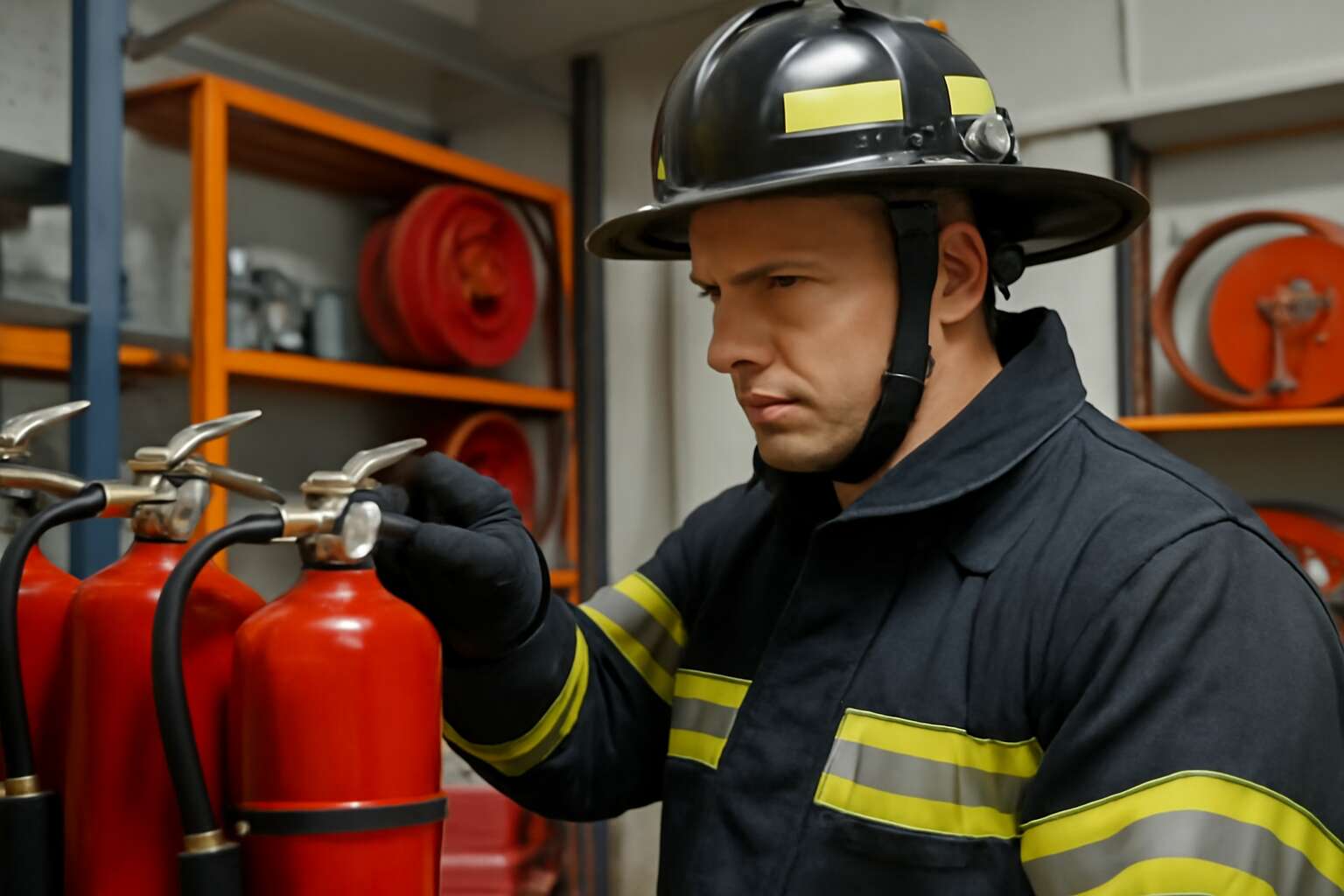
In the realm of fire safety equipment tender, a fascinating array of tools and devices emerges, each meticulously designed to thwart the unpredictable fury of flames. Fire extinguishers, the stalwart guardians of safety, come in a variety that caters to diverse scenarios—ranging from the foam-filled champions to the sleek carbon dioxide responders. Their purpose is simple yet vital: to smother flames before they escalate beyond control.
Among the most common types tendered during these procurement processes are multipurpose extinguishers, which can combat both electrical and combustible fires, and specialized units like wet chemical extinguishers, best suited for kitchen environments. These varied options underscore the importance of selecting the appropriate fire safety equipment tender to meet specific needs.
To further enhance fire resilience, some tenders include innovative equipment such as fire blankets and portable fire pumps, expanding the spectrum of safety measures. The careful selection within a fire safety equipment tender ensures that every corner of a facility is shielded against the chaos of fire.
Sprinkler Systems
When it comes to fire safety equipment tender processes, sprinkler systems often steal the spotlight—and for good reason. These marvels of modern engineering act like silent sentinels, ready to unleash a deluge of water or foam at the first hint of trouble. In South Africa’s diverse climate and bustling industrial hubs, having reliable sprinkler systems can be the difference between a minor hiccup and a full-blown disaster.
There are two main types of sprinkler systems commonly tendered: wet pipe and dry pipe. Wet pipe systems, the more prevalent choice, are filled with water and activate instantly when heat is detected. Dry pipe systems, on the other hand, are ideal for colder environments where water freezing might pose a problem—think refrigerated warehouses or colder regions.
- Automatic sprinkler heads for quick response
- Control valves and alarm integration
- Water supply infrastructure
In the grand scheme of fire safety equipment tender, selecting the right sprinkler system isn’t just a matter of ticking boxes. It’s about tailoring a solution that fits the unique needs of each facility—because fire doesn’t do one-size-fits-all, and neither should your fire safety measures!
Fire Detection and Alarm Systems
Within the intricate tapestry of fire safety equipment tender processes, fire detection and alarm systems stand as vigilant guardians—silent witnesses that alert occupants before flames can fully ignite. These systems are the heartbeat of any comprehensive fire safety strategy, swiftly identifying the faintest signs of trouble with a symphony of sensors and detectors.
From heat detectors to smoke alarms, each component plays a vital role in crafting a layered defense. In South Africa’s diverse climates, selecting the right fire detection system can be a game-changer. For cold storage facilities or refrigerated warehouses, for example, specialized heat sensors are essential to prevent false alarms caused by temperature fluctuations.
Moreover, integrated alarm systems often connect seamlessly to emergency response protocols, ensuring rapid action. When tendering for fire safety equipment, decision-makers must consider not just the technological features but also how these systems harmonize with existing infrastructure—because in the world of fire safety, timing truly is everything!
Emergency Exit Signs and Lighting
In the realm of fire safety equipment tender processes, the importance of emergency exit signs and lighting cannot be overstated. These critical components serve as the guiding lights in moments of chaos, providing clear pathways to safety when seconds matter most. Well-placed exit signs—illuminated and unmistakable—are the unsung heroes that ensure occupants can evacuate swiftly and safely, even during power outages or smoke-filled environments.
Beyond mere signage, luminous emergency lighting systems are vital for illuminating escape routes, staircases, and exits during an emergency. These systems are meticulously designed to activate automatically, regardless of the status of the main power supply, ensuring continuous visibility. When tendering for fire safety equipment, organizations must prioritize high-quality, compliant lighting that integrates seamlessly with building infrastructure. This ensures a reliable, fail-safe evacuation process, embodying the essence of comprehensive fire safety planning in South Africa’s diverse and often unpredictable climate.
Personal Protective Equipment (PPE)
When it comes to a fire safety equipment tender, understanding the range of personal protective equipment (PPE) available is essential. Firefighters and safety personnel rely heavily on specialized PPE to navigate hazardous environments safely. High-quality protective gear not only minimizes injury but also enhances the efficiency of emergency response efforts.
Common PPE items tendered include fire-resistant clothing, helmets, gloves, and respiratory protection devices. These components are designed to withstand extreme heat, flames, and smoke, ensuring the safety of personnel during firefighting operations. Organizations must prioritize compliance with South African safety standards to guarantee maximum protection.
- Fire-resistant suits
- Thermal helmets with visors
- Protective gloves
- Self-contained breathing apparatus (SCBA)
In the context of a fire safety equipment tender, selecting durable, compliant PPE is non-negotiable. It plays a vital role in safeguarding lives and maintaining operational integrity during emergencies. When tendering for fire safety equipment, organizations should scrutinize the quality and certification of PPE to ensure it meets local regulations and international best practices.
How to Prepare for a Fire Safety Equipment Tender
Understanding Tender Specifications
In the shadowed corridors of procurement, understanding the labyrinth of tender specifications can mean the difference between securing a vital contract and fading into obscurity. When preparing for a fire safety equipment tender, one must peer beyond the surface, deciphering the cryptic language and unspoken expectations woven into the documents. The devil lurks in the details—each line a potential trap or treasure. Recognizing what the tender calls for is paramount; it’s not merely about matching the gear but understanding the precise standards and standards compliance required to withstand scrutiny in South Africa’s demanding fire safety landscape.
To navigate this intricate dance, it’s wise to create a comprehensive checklist—covering everything from certification requirements to installation timelines. An ordered approach ensures no detail is overlooked. For instance, scrutinize specifications about the type of fire safety equipment tender, whether it demands UL-listed extinguishers or bespoke sprinkler systems tailored for unique environments. By meticulously aligning your offerings with these specifications, you craft a compelling proposal that resonates with the evaluators’ unspoken expectations. Remember, in the realm of fire safety, precision is not just preferred—it is paramount to survive the fierce gauntlet of tender evaluation.
Ensuring Compliance with Safety Standards
Preparing for a fire safety equipment tender in South Africa requires more than just assembling your best products. Ensuring compliance with safety standards is crucial to stand out in a competitive landscape and avoid disqualification. It’s not merely about meeting minimum requirements but demonstrating a thorough understanding of the legal and technical standards that govern fire safety equipment. This diligence can make the difference between winning the contract or losing it to a better-prepared competitor.
One effective approach is to develop a detailed compliance checklist. This should include verifying that all equipment meets South African safety legislation, such as SANS standards or international certifications like UL or FM approvals. Additionally, reviewing the specific specifications outlined in the fire safety equipment tender helps tailor your proposal precisely to what the evaluators seek. Ensuring your documentation highlights adherence to these standards reassures authorities that your offerings are both reliable and compliant.
In the complex world of fire safety procurement, meticulous preparation and a keen eye for standards compliance are your best tools. They ensure your bid not only meets requirements but also stands out as a trustworthy and professional solution. After all, in fire safety, precision and adherence to standards aren’t just formalities—they are the foundation of safety itself.
Gathering Necessary Certifications and Documents
In the enchanted realm of fire safety procurement, preparing for a fire safety equipment tender requires more than just the desire to win; it demands meticulous gathering of essential certifications and documents that serve as your magical shield against disqualification. These credentials are the keys that unlock the gates of compliance, showcasing your unwavering commitment to safety standards that govern South African fire safety equipment. Without them, even the most radiant proposals risk being cast aside into the shadows of neglect.
To stand tall amidst fierce competition, assemble a comprehensive dossier that includes the latest certifications—such as SANS standards, UL, or FM approvals—verifying that your offerings align with legal mandates. Ensuring your documentation reflects adherence to specific tender specifications not only demonstrates professionalism but also reassures evaluators of your unwavering dedication to quality and safety. Sometimes, organizing these crucial papers in an orderly, easy-to-navigate manner can be the decisive factor in a successful fire safety equipment tender, transforming your bid from mere words to an unassailable fortress of compliance.
Pricing Strategies
In the high-stakes world of fire safety equipment tenders, your pricing strategy can make or break your bid faster than you can say “fire drill.” It’s not just about throwing a number on the page; it’s about crafting a financial blueprint that balances competitiveness with profitability. A well-thought-out approach ensures you don’t undervalue your offerings—because, let’s face it, fire safety equipment isn’t exactly cheap to produce or procure.
To master this delicate dance, consider conducting a detailed cost analysis. Factor in everything from raw materials and certification costs to logistical expenses and after-sales service. Remember, a transparent and reasonable pricing structure can distinguish your bid among a sea of competitors. Sometimes, a strategic discount on bulk orders or offering flexible payment terms can sweeten the deal without sacrificing margins.
For those feeling a tad overwhelmed, a simple ordered list can be your trusty guide:
- Assess your costs thoroughly.
- Research market rates for comparable fire safety equipment.
- Identify areas where value can be added without inflating prices.
- Include optional add-ons or service packages to diversify your offerings.
- Stay adaptable—be ready to negotiate and fine-tune your pricing model as the tender process unfolds.
- Transparent pricing that reflects true value and durability
- Meticulous adherence to South African safety mandates
- Clear demonstration of certification such as UL, NFPA, or SABS
- Documented success in similar fire safety equipment tender projects
- Customer testimonials emphasizing reliability and robustness
- Clear evidence of compliance with South African safety laws and standards
- National Building Regulations
- Occupational Health and Safety Act
- SABS (South African Bureau of Standards) certifications
- Enhanced responsiveness through automated alerts.
- Improved maintenance tracking via connected devices.
- Proactive hazard identification with predictive analytics.
Remember, a competitive fire safety equipment tender isn’t just about offering the lowest price—it’s about demonstrating value while maintaining a healthy profit margin. A clever pricing strategy can elevate your bid from just another contender to the one that evaluators can’t ignore.
Key Factors in Winning a Fire Safety Equipment Tender
Quality and Certification of Equipment
In the tumultuous dance of fire safety, the quality and certification of equipment serve as the unwavering rhythm guiding every tender process. A fire safety equipment tender demands not just compliance but excellence—each piece must echo the standards set by rigorous safety standards, embodying durability and reliability. When selecting equipment for a tender, it’s essential to scrutinize the certification—UL, NFPA, or SABS—to ensure it meets South African safety mandates.
The true test of a winning bid lies in transparency and adherence to stringent safety standards. Suppliers who showcase comprehensive certifications and unwavering quality assurance demonstrate their commitment to safeguarding lives and property. Remember, in this arena, the strength of your offering is measured not merely by price but by the integrity of your products.
Ultimately, a compelling fire safety equipment tender weaves together certification, quality, and compliance—a triumvirate that transforms a mere proposal into a fortress of safety!
Competitive Pricing
In the shadowy realm of fire safety, where chaos lurks just beyond the flickering flame, winning a fire safety equipment tender demands more than mere numerics. It is a ballet of precision, where competitive pricing must be balanced with an unwavering commitment to quality and certification. A bid that merely cuts costs risks crumbling under the weight of scrutiny—because in this arena, the true measure of strength lies in the integrity of the equipment offered.
To carve a path to victory, one must craft an offer that whispers reliability and compliance. When submitting a fire safety equipment tender, every element—from the subtleties of certification to the robustness of the materials—must resonate with authenticity.
Consider this: in a landscape fraught with peril, the most compelling bids are those that weave affordability with an unyielding adherence to safety standards. A well-structured pricing strategy, aligned with the intricate demands of the tender, can be the difference between obscurity and prominence.
These pillars—when harmonized—forge a bid that stands resilient amid fierce competition. The art of winning a fire safety equipment tender, therefore, hinges on weaving cost, quality, and compliance into an unbreakable tapestry of trust and excellence.
Experience and Past Performance
Securing a fire safety equipment tender is no small feat. It’s a delicate dance of showcasing experience and past performance that convinces evaluators of your reliability. The most compelling bids are those rooted in a proven track record—where past projects reflect a steadfast commitment to safety and excellence. When your team can demonstrate successful implementation of fire safety solutions, it instills confidence that you’ll deliver under pressure.
Experience isn’t just about years on paper; it’s about tangible results and how well your previous work aligns with the stringent standards required. Past performance, therefore, becomes a testament to your ability to meet deadlines, adhere to safety mandates, and maintain the highest standards of quality.
Ultimately, a bid that highlights a solid history of safety, professionalism, and excellence resonates most powerfully in the competitive landscape of fire safety equipment tenders. Such experience not only elevates your proposal but also builds enduring trust with stakeholders eager to safeguard lives and property.
Delivery Timelines
Meeting delivery timelines is often the defining factor in winning a fire safety equipment tender. When safety depends on timely installation and commissioning, delays can be costly—not just financially, but in human lives. Stakeholders look for vendors who demonstrate a clear understanding of project schedules and have reliable logistics in place. This means having a well-organized plan that accounts for potential setbacks and ensures swift, coordinated execution.
To strengthen your bid, consider highlighting your track record of meeting deadlines on similar fire safety equipment tender projects. Providing evidence of efficient project management and prompt delivery reassures evaluators of your capability. Remember, in the fierce competition for fire safety contracts, punctuality is as crucial as the quality of the equipment supplied. When your team can consistently deliver on time, it builds trust and positions you as a dependable partner for safeguarding lives and property.
Legal and Regulatory Considerations
Relevant Fire Safety Regulations
In the high-stakes game of fire safety equipment tender, overlooking legal and regulatory considerations is akin to inviting chaos—think of it as playing with fire, but in a very literal sense. South Africa’s stringent safety standards aren’t mere suggestions; they are the backbone of ensuring lives and property are protected. Vendors must navigate a labyrinth of fire safety regulations, ensuring every piece of equipment meets the national and local compliance benchmarks.
Failure to adhere to these regulations can result in hefty penalties, disqualification from the tender process, or worse—compromised safety. It’s crucial to familiarize oneself with the legal landscape, which might include
. These standards serve as the gold standard for quality, safety, and reliability, and ensuring compliance is not just a bureaucratic chore but a golden ticket to winning the fire safety equipment tender in a competitive market.
Tender Process Compliance
In the labyrinthine realm of fire safety equipment tender processes, compliance with legal and regulatory standards is not merely a formality—it is the very foundation upon which trust and safety are built. South Africa’s stringent fire safety regulations demand meticulous adherence, transforming vendors from mere suppliers into guardians of lives and property. Ignoring these legal considerations is akin to navigating a treacherous maze blindfolded; the stakes are too high for complacency.
To successfully secure a fire safety equipment tender, understanding and integrating local legislation is essential. This includes aligning with the Occupational Health and Safety Act, adhering to the National Building Regulations, and securing SABS certifications—each a vital thread in the fabric of regulatory compliance. These standards serve as the gold standard for quality, safety, and reliability, making them non-negotiable in the competitive landscape of fire safety procurement.
Furthermore, compliance isn’t solely about avoiding penalties; it’s about demonstrating a commitment to safety that resonates with evaluators. The tender process often requires detailed documentation, including certificates of conformity and proof of adherence to South African fire safety standards. In fact, a well-prepared submission that highlights unwavering compliance can be the key to unlocking the coveted fire safety equipment tender—turning regulatory diligence into a competitive advantage.
Contractual Obligations
In the shadowed corridors of fire safety procurement, contractual obligations cast a long, unwavering shadow. South Africa’s stringent legal landscape demands that vendors not only meet standards but also embed compliance into every fiber of their contractual fabric. When engaging in a fire safety equipment tender, understanding the nuances of contractual commitments becomes paramount—each clause a safeguard against chaos and catastrophe.
Failure to honor these obligations is no mere oversight; it risks lives and tarnishes reputations. An insidious web of regulations binds suppliers to deliver quality, timely, and certified fire safety equipment. From clear delivery timelines to adherence to safety standards, every stipulation must be woven seamlessly into the contract. This meticulous approach transforms a simple tender into a pact of trust—an unbreakable bond that guarantees safety and reliability, vital in the perilous dance of fire prevention.
Often, the devil lurks in the details—such as ensuring the inclusion of necessary certifications and compliance documents—making the difference between winning a fire safety equipment tender and falling into the abyss of disqualification. The contractual obligations serve as the backbone of the entire procurement process, anchoring suppliers to their promises amid the turbulent waters of competition and regulation.
Best Practices for Suppliers Participating in Fire Safety Equipment Tenders
Building Strong Vendor Profiles
In the cutthroat arena of fire safety equipment tenders, building a resilient vendor profile isn’t just a box to tick; it’s your secret weapon. Suppliers who master the art of standing out often do so by showcasing their unwavering commitment to compliance and unmatched expertise. Think of your vendor profile as a fire safety résumé—highlight your mastery in delivering top-tier fire detection and alarm systems, sprinkler systems, and PPE, while subtly weaving in your compliance with South Africa’s stringent safety standards.
But let’s not forget the importance of reputation—because in this game, experience and past performance often speak louder than shiny brochures. A well-rounded vendor profile should include a compelling history of successful fire safety projects, emphasizing on-time delivery and consistent quality. Remember, tender evaluators aren’t just looking for equipment—they’re seeking partners who understand the nuances of fire safety regulations and can seamlessly navigate the tender process. So, invest in building a profile that radiates credibility, reliability, and an unshakable dedication to safeguarding lives and property.
Engaging with Procurement Entities
Participating in a fire safety equipment tender requires more than just offering top-tier products; it demands a strategic approach to engagement with procurement entities. Establishing a transparent and proactive communication channel can significantly boost your chances of success. Suppliers should prioritize building relationships based on trust and clarity, demonstrating their unwavering commitment to safety standards and regulatory compliance.
One effective practice is to thoroughly understand the procurement process—knowing the specific timelines, documentation requirements, and evaluation criteria. Engaging early with tender officials allows suppliers to clarify expectations and showcase their expertise, positioning themselves as reliable partners rather than just vendors.
Additionally, maintaining an open line for queries and providing detailed, well-organized documentation can set your application apart. Remember, in the competitive landscape of the fire safety equipment tender, genuine engagement and professionalism often tip the scales, transforming a standard bid into a compelling partnership opportunity.
Maintaining Transparency and Integrity
In the high-stakes world of fire safety equipment tender, maintaining transparency and integrity is not just a moral obligation—it’s a strategic advantage. Suppliers who demonstrate unwavering honesty foster trust, transforming their bids from mere offers into credible partnerships. In South Africa’s competitive landscape, where regulatory compliance is scrutinized closely, every detail counts. A reputation built on transparency can open doors to long-term collaborations, elevating your standing above less scrupulous competitors.
To truly stand out, suppliers should adopt best practices that reflect professionalism and a commitment to safety excellence. Clear documentation, prompt responses to queries, and adherence to all safety standards create a compelling image of reliability. Remember, in the arena of fire safety equipment tender, authenticity and ethical conduct often tip the scales in favor of those who prioritize integrity over quick wins.
Post-Tender Follow-Up and After-Sales Service
Participating in a fire safety equipment tender is only the beginning; the true test lies in post-tender follow-up and delivering exceptional after-sales service. Suppliers who master this phase can transform a single bid into a long-term partnership—an invaluable asset in South Africa’s competitive fire safety industry.
Effective post-tender engagement involves prompt communication with procurement entities, addressing any concerns swiftly, and maintaining open channels for ongoing support. This proactive approach reassures clients that their safety priorities are always front and center. Additionally, providing comprehensive training, maintenance schedules, and timely servicing demonstrates a commitment to safety excellence that goes beyond initial procurement.
In a landscape where fire safety regulations are rigorous, building trust through consistent, reliable after-sales service can be the decisive factor. Remember, a well-maintained fire safety system not only complies with legal standards but also ensures peace of mind—an intangible yet priceless benefit for clients choosing their fire safety equipment supplier.
Emerging Trends and Innovations in Fire Safety Equipment Tenders
Smart Fire Safety Devices
In the realm of fire safety equipment tender processes, innovation is igniting a new era of protection. The emergence of smart fire safety devices is transforming traditional systems into interconnected networks that communicate seamlessly during emergencies. These intelligent devices harness the power of IoT technology, enabling real-time monitoring and instantaneous alerts, which could be the difference between catastrophe and safety.
One of the most captivating trends is the integration of AI-driven sensors that predict potential fire hazards before they ignite. Imagine sensors that detect subtle changes in temperature and smoke levels, sending alerts directly to emergency responders—this is no longer science fiction but a tangible advancement in fire safety equipment tender offerings. Such innovations not only elevate safety standards but also open doors for more competitive and forward-thinking tender submissions.
As fire safety systems evolve, tender processes must adapt to these technological marvels. Staying ahead in the fire safety equipment tender landscape means embracing these innovations, ensuring that procurement aligns with cutting-edge safety standards while providing resilient protection for all. The future of fire safety is undeniably smart, and those who recognize this will set the benchmark for excellence in South Africa’s safety ecosystem.
Integration of IoT in Fire Safety
In an era where technological evolution accelerates relentlessly, the integration of IoT into fire safety equipment tender processes signifies a seismic shift in how protection is conceptualized and executed. No longer are traditional alarm systems and manual interventions sufficient; instead, the future belongs to interconnected networks that anticipate danger before it manifests. These smart fire safety devices, embedded with IoT technology, are redefining standards—delivering real-time data streams that empower rapid responses and nuanced risk assessment.
Imagine a scenario where sensors continuously monitor temperature fluctuations and smoke levels, transmitting critical insights directly to emergency responders. This proactive approach minimizes damage and saves lives, transforming fire safety from reactive to predictive. The adoption of such innovations in fire safety equipment tender protocols ensures that procurement aligns with cutting-edge safety standards—making South Africa’s safety infrastructure more resilient and adaptive. As these systems evolve, so too must the tender processes, embracing automation and connectivity to foster a safer environment for all.
Eco-Friendly Fire Safety Solutions
Emerging trends in fire safety equipment tenders are reshaping how organizations in South Africa approach risk mitigation. Eco-friendly fire safety solutions are gaining momentum, driven by a global shift toward sustainable development. These innovations include biodegradable fire extinguishers, low-impact sprinkler systems, and energy-efficient alarm devices—components that not only meet safety standards but also promote environmental stewardship. As governments and private entities prioritize green initiatives, integrating eco-conscious equipment into fire safety equipment tenders becomes more than a trend; it’s a necessity.
Furthermore, advancements in smart technology are revolutionizing fire safety procurement. IoT-enabled devices now offer heightened precision and responsiveness, making traditional systems seem antiquated. This evolution aligns with the increasing demand for fire safety solutions that are both innovative and sustainable. When participating in a fire safety equipment tender, it’s crucial to consider these emerging innovations, which often provide better long-term value and compliance with South Africa’s evolving safety regulations.
Digital Tender Platforms and E-Procurement
As the digital landscape transforms the way South African organizations navigate procurement, emerging trends in fire safety equipment tenders are increasingly driven by innovative online platforms. The advent of digital tender platforms and e-procurement systems has revolutionized how businesses and government bodies source vital safety solutions. These electronic portals streamline the entire tender process, making it more transparent, efficient, and accessible to a broader array of suppliers.
Through these sophisticated platforms, bidders can access real-time updates, submit documents seamlessly, and track tender progress with ease. Moreover, e-procurement introduces a new level of accountability, ensuring compliance with fire safety regulations while reducing administrative overhead. For organizations, this means a more competitive environment where innovative and eco-friendly fire safety solutions can shine through.
In particular, the integration of smart fire safety devices within digital tender processes exemplifies the future of risk mitigation—combining cutting-edge IoT technology with the transparency of online procurement. As South Africa’s safety standards evolve, embracing these digital innovations in fire safety equipment tenders becomes not only advantageous but essential for securing the most advanced and sustainable solutions available.

0 Comments