Understanding the Range of Costs for Essential Kitchen Safety Equipment
Fire Extinguishers: Price Tiers for Home and Commercial Use
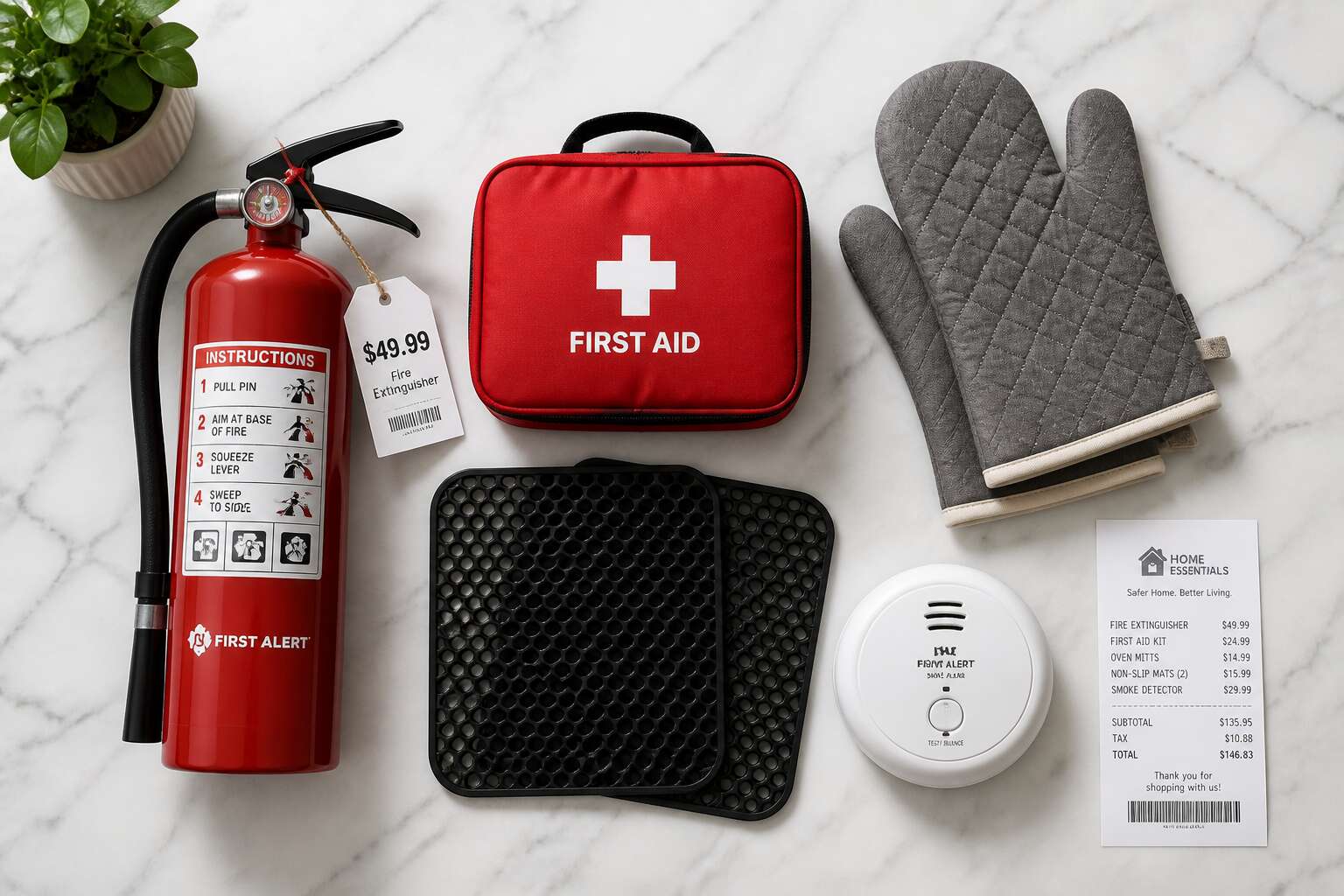
In the calculus of running a professional kitchen, a single fire can erase a year of profit. This makes understanding the fire extinguisher price tiers a critical component of your overall kitchen safety equipment cost assessment. For the home cook, the entry point is remarkably accessible. A basic 1kg dry chemical unit, suitable for a domestic stove, typically resides in the R150 to R350 bracket. These models are often disposable, designed for a single use and a single type of fire, usually fat or electrical.
Stepping into the commercial arena changes the financial picture significantly. A 4.5kg or 6kg extinguisher, which meets South African occupational health regulations for restaurants, demands a heftier investment that can range from R700 to over R1,500 per unit. The price differentiation hinges on the agent used and the cylinder’s construction. For instance, a CO2 extinguisher, essential for delicate electrical equipment, is often pricier than a standard dry chemical model due to the pressure vessel required to store the gas.
This tiered structure reflects a fundamental shift in responsibility. You are not just purchasing a metal canister; you are investing in a compliance certificate and a rapid response system. The higher cost for commercial units often includes the initial fill and a servicing schedule. This recurring inspection, while adding to the ongoing kitchen safety equipment cost, replaces the cheaper home unit’s single-use limitation with a semi-permanent asset.
The distinction is stark when you consider the volume of suppressant needed to douse a deep fat fryer versus a domestic saucepan. As such, the true kitchen safety equipment cost consideration is not the sticker price, but the potential loss it mitigates. Whether you choose a basic home model or a commercial-grade system, the judgment lies in matching the tool’s capacity to the threat’s scale.
First Aid Kits: Basic vs. Advanced Options and Their Price Points
The quietest hazard in a commercial kitchen isn’t a sizzling pan; it is the searing laceration from a mandoline or the deep burn from a steam vent. First aid readiness remains a line item that many operators overlook until the Compensation Fund claim lands. For a basic home kit stocked with plasters, gauze, and antiseptic wipes, the entry point sits between R100 and R250 at local retailers. These compact pouches cover minor nicks, but they buckle under the demands of a shift environment.
Advanced trauma kits, however, command a significantly higher price tier. A comprehensive wall-mounted unit for a restaurant, including burn dressings, eyewash stations, and pressure bandages, typically starts around R600 and escalates past R1,500 depending on the contents and cabinet durability. The essential components of a professional grade kit often include:
– Sterile saline solutions for ocular washing.
– Burn gel sachets specifically rated for thermal injuries.
– Triangular bandages and splinting tools for fractures.
The arithmetic of the kitchen safety equipment cost remains tied to staffing obligations. A robust inventory ensures you are compliant with occupational health standards, moving these supplies from a discretionary expense to a mandatory operational line. Investing in the advanced option reduces the severity of an incident before professional help arrives, protecting both your crew and your liability.
Anti-Slip Floor Mats: Cost Variations by Size and Material
The true cost of a kitchen floor only reveals itself in the quiet aftermath of a spill, when a slick patch of tile turns a routine service into a moment of chaos. Non-slip solutions are the unsung guardians of this space, and their pricing demands a closer look beyond the initial price tag.
Anti-slip mats and coatings form the backbone of this defensive line. A mat that absorbs grease and provides traction can start around R350 for a standard commercial runner, but the material dictates the longevity. Rubber and nitrile blends resist the breakdown from hot oil and constant foot traffic, pushing costs upward to R1,200 per unit. Alternatively, a specialized non-slip coating applied directly to the existing tile offers a seamless finish, with a professional application setting you back anywhere from R2,500 to R5,000, depending on the square meterage and the level of abrasion resistance required.
Here is a practical breakdown of typical expenses:
– Entry-level PVC mats: R250 to R600, a budget-friendly stopgap for low-traffic areas.
– Heavy-duty rubber runners: R800 to R1,500, built to withstand daily commercial use.
– Anti-fatigue, solvent-resistant mats: R1,800 to R3,000, offering ergonomic support alongside safety.
– Ceramic tile coatings: R150 to R300 per square meter, a permanent solution for existing surfaces.
The kitchen safety equipment cost associated with flooring is an investment in momentum. A single slip-and-fall incident can halt operations, lead to lost wages, and inflate insurance premiums. By evaluating the traffic flow and the specific liquids involved, you can select a surface protection strategy that keeps your staff moving with confidence, turning a potential hazard into a silent, steadfast feature of the workspace.
Oven Gloves and Protective Apparel: What You Pay for Heat Resistance
The hands are the first line of defence, yet they are often the most exposed. In the theatre of a commercial kitchen, heat is a constant antagonist, and the cost of protection can vary as much as the intensity of the flames themselves. Budget-friendly oven gloves, typically crafted from quilted cotton or aramid blends, start around R120 and are perfectly adequate for occasional tray handling. However, for the relentless pace of a high-volume service, you require a more formidable barrier. Here is a brief look at the price tiers you will encounter:
– Basic cotton gloves: R120 to R250, suitable for light tasks.
– Reinforced aramid or Kevlar options: R350 to R700, offering superior cut and heat resistance.
– Full-length gauntlets for oven immersion: R800 to R1,500, protecting the entire forearm.
The kitchen safety equipment cost escalates swiftly with enhanced thermal ratings. A standard glove may shield you from a 250°C heat source for a mere ten seconds, whereas a professional-grade gauntlet extends that window significantly, providing a crucial margin for error when moving heavy cast iron. For the aprons and sleeves, the investment is similar. A simple cotton apron offers minimal splash protection at R150, but a double-layered, flame-retardant apron can command R600 or more. This price jump is directly proportional to the level of protection against hot oil spatters and steam burns, ensuring that the financial outlay reflects the safety of the wearer. Ultimately, weighing the replacement cost of a burned glove against the medical cost of a burned hand makes the higher-tier options a prudent investment for any serious operation, solidifying the kitchen safety equipment cost as a necessary line item rather than an optional one.
Carbon Monoxide and Smoke Detectors: Affordable vs. Smart Device Pricing
A smouldering chip fryer can fill a commercial kitchen with lethal carbon monoxide before any flame appears. Detector choice therefore anchors the kitchen safety equipment cost.
Basic smoke detectors start around R150, while photoelectric models run R250 to R400 and respond faster to grease fires. Carbon monoxide detectors begin at R350 for an electrochemical sensor. Smart combination units, which sync to a phone and can tell burnt toast from a real fire, cost R800 to R1,800.
– Basic smoke detector: R150 to R300
– Photoelectric model: R250 to R400
– Standalone CO detector: R350 to R600
– Smart combination unit: R900 to R1,800
I have seen kitchens where a R300 detector was the only barrier between a smouldering fryer and total structural loss. Calibration and battery replacement remain non-negotiable at every tier.
Factors That Influence the Price of Safety Equipment
Material Quality and Durability Impact on Cost
The kitchen safety equipment cost is a conversation about material rather than a simple price tag. A thermoplastic sleeve with a tempting price becomes brittle within months, while a reinforced silicone one keeps its shape through heavy brushing, thermal shocks, and wet cleaning routines. So the initial advantage disappears when your kitchen spends twice as much on a second unit in the same year.
- The metal grade used for brackets alloys the rack either
- Thermal strength of plastic faces long term heat fluctuation
- Corrosion resistance when strong cleaning chemicals are pulled over
Durability guards the kitchen safety equipment cost directly because each grade of material adds about 15 to 40 percent to the product price. But you are buying functional horsepower, not a few extra seasons of wear.
Brand Reputation and Warranty Coverage
A warranty reflects a brand’s confidence. It shapes kitchen safety equipment cost more than the sticker price suggests. Lesser known manufacturers offer cheaper gloves, but their warranty often limits coverage to manufacturing defects for six months. Established suppliers stand behind their gear with two to five year warranties, including replacements for parts that wear during normal use.
That coverage matters when you calculate kitchen safety equipment cost. A torn sleeve after three months forces a replacement that erases your saving. But this only holds if warranty pays out. Some brands hide exclusions. Look for these signs:
- Coverage that includes labor and local shipping
- A clear list of tolerated chemicals and temperatures
- A claims process without excessive paperwork
In South Africa, import delays and currency swings already raise equipment prices, so a locally honoured warranty removes risk of international returns. Compare the warranty’s length and scope as carefully as the price.
Certification Standards (ANSI, UL, NSF) and Their Price Premium
Certification standards quietly drive the price gap between budget gear and equipment that passes inspection. ANSI, UL, and NSF markings require testing fees, facility audits, and ongoing compliance checks. Manufacturers pass those expenses down the chain, so certified items carry a visible premium over uncertified alternatives.
That premium buys something concrete. Consider what each standard verifies:
- ANSI certifies impact and cut resistance for gloves and aprons
- UL validates fire suppression and electrical safety
- NSF confirms food contact surfaces meet hygiene requirements
Each marking adds accountability. A glove without ANSI approval may cost less upfront, but the kitchen safety equipment cost calculation shifts when inspectors reject uncertified gear. South African restaurants face heavy fines for non compliance. Paying the certification premium at purchase often becomes the cheaper route over the full ownership cycle.
Features and Technological Add-Ons (Alarms, Sensors, Connectivity)
The quiet hum of a ventilation system hides the true cost of vigilance. Sensors and alarms do not come as bare additions; they arrive with wiring, mounting hardware, and integration demands. Each thermal probe or gas monitor adds its own maintenance schedule, and that schedule appears in the final price. The kitchen safety equipment cost grows with every node that watches the flames.
Connectivity deepens the expenditure. A Bluetooth enabled thermometer syncs to a cloud platform, requiring a subscription or a paid license. Older manual gauges need nothing beyond a glance, but networked versions demand periodic recalibration by certified technicians. For a busy Johannesburg kitchen, the difference can be substantial.
Consider which add-ons pull from the budget:
- Wireless smoke bridges that relay alerts to security firms
- Temperature probes with remote viewing interfaces
- Automated shutoff valves paired with gas sensors
Quantity Discounts for Bulk Purchases
When calculating the kitchen safety equipment cost for a bulk order, the unit price rarely tells the full story. Suppliers in South Africa often adjust their margins based on the sheer volume you commit to, but the real savings appear in the logistics. A pallet of commercial fire blankets or a crate of industrial-grade extraction filters carries a different freight charge than a single box, and those transport fees can swallow the discount if you are not careful.
Shipping is only one piece of the puzzle. You must also factor in the lead time, as manufacturers frequently offer a lower rate on slower deliveries, which is a trade-off between cash flow and immediate safety compliance. Then there is the matter of certification. A bulk deal on imported gas regulators might seem attractive, but if the units lack the local SABS approval, you will spend more retrofitting or replacing them.
Consider the hidden charges that inflate the final invoice:
– Customs and import duties on international brands
– Storage costs, if your warehouse lacks the space for a full pallet
– Installation fees, which do not drop just because you bought more units
The most prudent approach for a growing restaurant group or a hospitality supplier is to compare the per-unit cost after these variables are included. A supplier who offers a lower sticker price but charges a separate delivery fee per box might end up costing more than a competitor with a flat rate. Ultimately, the best value comes from a transparent quote that itemises everything, allowing you to see exactly what drives the kitchen safety equipment cost before you sign the order. After-sales support also matters; warranties and spare parts availability can differ sharply between high-volume deals and retail purchases.
Budgeting for Kitchen Safety: Low-Cost vs. High-End Options
Budget-Friendly Alternatives That Still Meet Safety Standards
One kitchen fire can cost more than the average South African household spends on safety equipment in a decade. That math makes budgeting for kitchen safety a non-negotiable task, not an afterthought!
The kitchen safety equipment cost can be controlled by distinguishing between essential protection and superfluous add-ons. Many entry-level products provide adequate defense when you replace them before they wear out. Managing a budget without compromising safety involves auditing your kitchen and prioritizing the most likely hazards. Comparing prices across retailers reveals that basic models match the performance of expensive ones. Only items that see constant use warrant extra spending.
High-end brands charge for convenience features you can live without. A durable, basic safety kit meets all legal requirements for a typical home cook. Domestic spaces do not need commercial-grade pricing. Buying based on your actual needs keeps the risk low and the cost manageable.
Mid-Range Equipment: Best Value for Small Restaurants and Home Kitchens
Most households overpay for kitchen safety out of fear, but the opposite mistake is far worse. The kitchen safety equipment cost needs to be examined over its service life, not just the shelf price. For small restaurants and serious home cooks, mid-range equipment often delivers the best return. It uses reliable materials without the expense of high-end engineering.
Consider how these tiers behave in real conditions:
- Low-end gear wears out quickly, so the initial saving disappears.
- High-end gear carries a premium for precision that a typical kitchen never exploits.
- Mid-range gear offers the best balance, with dependable components and a reasonable lifespan.
That is why a mid-range approach protects your finances and your people. The kitchen safety equipment cost becomes clear when you compare total cost per year. A simple calculator and an honest audit of your cooking habits will guide you better!
Investing in Commercial-Grade Gear: When Splurging Makes Sense
Budgeting for kitchen safety equipment cost means looking past the sticker price. A cheap fire extinguisher or basic glove might save money today, but it often fails under real heat. I have seen low-end gear warp, tear, or leak within months. That initial saving disappears when you replace it twice in a year. On the other hand, high-end commercial items carry a premium for precision you rarely use at home. The sweet spot is mid-range equipment. It offers dependable materials without the inflated price. For small restaurants and keen home cooks, this is where the kitchen safety equipment cost makes sense. When should you splurge on commercial-grade? If you run a high-volume kitchen or handle intense frying daily. A quality extinguisher or a solid cut-resistant glove protects your hands and your budget. Check expiry dates on extinguishers regularly. Test glove thickness before buying. Compare warranty periods. That clarity helps you spend wisely.
Hidden Costs and Long-Term Value of Safety Investments
Maintenance, Inspection, and Replacement Expenses
Safety gear rarely ends its useful life on the day you buy it. The kitchen safety equipment cost is only the opening chapter, because every fire blanket, detector, and glove carries ongoing obligations.
Maintenance demands regular attention. A carbon monoxide detector needs battery swaps and sensor verifications. Anti-slip mats require washing and chemical checks. Inspection schedules force you to document each unit, and replacement cycles arrive sooner than most budgets predict.
Consider these recurring expenses:
- Calibration fees for gas alarms
- Consumable parts like gaskets and filters
- Professional testing certificates
Long term value emerges when you choose equipment with serviceable components. Spending more upfront often reduces these hidden costs, so your operational budget stays lower than flimsier alternatives.
Training Costs for Staff or Family Members on Proper Equipment Use
Training costs form the hidden portion of kitchen safety equipment cost. A fire blanket sits unused if nobody remembers how to unfold it. A detector offers no protection when staff cannot interpret its signal. I have watched restaurants spend thousands on gear, then watch it fail because no one practiced the drill.
The real expense is time, not money. You pay for hours of instruction, for repetition until muscle memory takes over. Family homes face the same burden. Each person needs guided hands-on practice.
- Scheduling sessions around shift changes
- Replacing staff who leave with new trainees
- Refreshing knowledge after policy updates
That investment returns when a small fire stays small. The hidden value is not the equipment. It is the competence attached to it.
Potential Insurance Premium Reductions for Certified Equipment
Insurance actuaries assess risk through documented evidence. Certified equipment changes that calculation. A commercial kitchen with UL listed suppression systems and NSF certified gear presents a lower liability profile. South African insurers translate this into premium reductions that compound annually!
The full picture of kitchen safety equipment cost extends beyond the invoice. Consider the financial returns:
- Premium discounts of 5% to 15% for certified installations
- Reduced workers’ compensation claims from fewer incidents
- Lower deductibles negotiated through documented compliance
Certified equipment produces dual value. It protects people during emergencies and reshapes insurance obligations. Safety spending becomes a recurring saving instead of a one time burden. The assessment of kitchen safety equipment cost gains a new dimension when premiums drop year after year.
Cost of Downtime and Liability vs. Upfront Safety Spending
The real kitchen safety equipment cost is never the number on the receipt. It is the price paid when a tool fails at the worst possible moment.
Downtime is the invisible expense. A single grease fire can close a Johannesburg eatery for repairs, inspections, and rebranding. The lost turnover alone outpaces the savings from buying cheaper gear. Liability adds another layer. A staff injury triggers medical claims, legal fees, and higher premiums, all of which land on the owner’s ledger.
- One day of closure often exceeds the total purchase price of certified equipment.
- A single liability claim can erase years of small savings.
I have watched owners wince at the sticker price of a suppression system, then pay ten times that amount after one shutdown. Upfront safety spending looks painful in the quarterly budget. The alternative carries far worse consequences. The full kitchen safety equipment cost reveals itself only when operations stop.
Energy or Operational Savings from Modern Safety Devices
A colleague once told me her utility bill dropped 18% after replacing outdated fryer hoods with motion-activated models, and it made a believer out of me! That demonstrates the value of modern safety equipment. It guards the kitchen and trims the budget at the same time. The kitchen safety equipment cost looks like an expense until you see the monthly statements. Fuel savings, water conservation, and fewer service callouts all flow from devices that automate safety checks. Consider the daily impact:
- Ventilation hoods that run only when the stove is active
- Refrigeration alarms that prevent costly stock loss
- Auto-shutoff timers on high-heat appliances
In South African kitchens, where electricity prices climb yearly, these efficiency gains compound quickly. Owners who track these numbers realise the real kitchen safety equipment cost is lower than the sticker suggests. The long-term value arrives through insurance reductions, fewer breakdowns, and equipment that lasts longer because it operates within safe parameters.
Resale Value or Upgradability of High-End Systems
Hidden costs often lurk in the installation bay, where retrofitting a modern suppression system demands skilled labor and possible structural tweaks. These expenses can approach the initial price tag, yet they rarely appear in a simple quote. However, a discerning owner sees the full picture. A high-end system’s true value emerges through its upgrade path, allowing you to swap in newer sensors or controls without replacing the whole infrastructure. This modularity supports resale value. Commercial buyers notice when a kitchen operates on current safety standards, often paying a premium for that assurance. While the kitchen safety equipment cost seems fixed, its long-term value is fluid and dependent on your ability to adapt.
Where to Buy Kitchen Safety Equipment Without Overspending
Online Marketplaces: Comparing Prices and Reviews
Online marketplaces tempt buyers with low stickers, yet the true kitchen safety equipment cost reveals itself in shipping fees, seller authenticity, and product durability. I filter reviews by verified purchases, then sort by recent ratings to spot patterns that marketing photos obscure. Price comparisons across three or four platforms often show a gap of thirty percent for identical items. Some sellers markup hidden extras, so I check the total at checkout before trusting a headline number.
- Compare unit prices, not bulk totals.
- Look for sellers offering local returns.
- Read negative reviews for failure modes.
One Amazon reseller listed oven gloves at half the standard rate, but the reviews mentioned melted stitching. That lesson shaped how I track kitchen safety equipment cost across Takealot and specialized suppliers.
Wholesale Suppliers and Restaurant Supply Stores
One wholesale depot in Germiston can sell a certified fire blanket at half the sticker price of a hardware chain. Wholesale suppliers and restaurant supply stores order in such bulk that the kitchen safety equipment cost drops far below retail margins. That gap makes the drive to an industrial park worthwhile, even for a single item.
- Fire extinguishers with stamped inspection tags
- Heat safe mitts and full sleeve protectors
- Emergency lighting with battery backups
Restaurant supply stores carry overstock from catering company closures and hotel kitchen upgrades. Boxes sit on flat pallets, and you can inspect the goods before handing over your card. Take the item from the lot directly and the fee stops at the handshake. In other words, the kitchen safety equipment cost becomes a number you confirm with your fingers, not with a screen.
Seasonal Sales, Coupons, and Clearance Events
A spring sale can trim 30 percent off the retail price of a safety mat. That is the reality of retail seasonality. When a new model replaces the old batch, the kitchen safety equipment cost drops sharply.
Target the end of month clearances and the winter sales weeks. Walk into the store on the first clearance morning. The shelves are full, the crowd is thin.
- Inspect the extinguisher for a sealed pin.
- Test the emergency light for battery backup.
- Measure the mitt thickness for full sleeve protection.
Coupons stack with these clearance prices. That two layer stack can beat wholesale. I enjoy watching the kitchen safety equipment cost fall over the checkout counter. The number becomes exactly what you planned, given patience with the calendar.
Second-Hand Equipment: Risks and Rewards
Ask any seasoned restaurateur about the used equipment market and you will hear stories that range from remarkable bargains to outright disasters. That second hand stainless steel counter might look identical to a new one, yet the internal workings could be a different story entirely. When the purchase is linked to the total kitchen safety equipment cost, a used fire suppression system can seem like a smart move. The price is often a fraction of the new unit, but the liability transfer is the part you take home with you.
The reward is the savings, plain and simple. A used, certified extinguisher or a commercial hood filter can cut the initial budget by half. For a home cook in Johannesburg or a small township eatery, that difference is substantial. The risk is that these items have a history. You are buying the previous owner’s maintenance schedule, or lack thereof. For safety devices, that history is the product.
Consider a simple inspection protocol before you hand over any cash.
1. Check the manufacturing date on the extinguisher or detector. Most have a ten year lifespan, regardless of use.
2. Look for a service tag with a recent date. This shows an active maintenance routine.
3. Test the alarm functions on any electronic device. A weak battery or faulty sensor is not a repair cost, it is a replacement cost.
A used fire blanket is a fine purchase if it is free of tears. A used smoke detector is often a generous gift to a landfill. The price of a single false sense of security can outweigh the entire kitchen safety equipment cost that you thought you avoided. Weigh the reward of the low entry price against the potential for a total failure. In this market, the sharpest savings often belong to those willing to walk away empty handed.



0 Comments