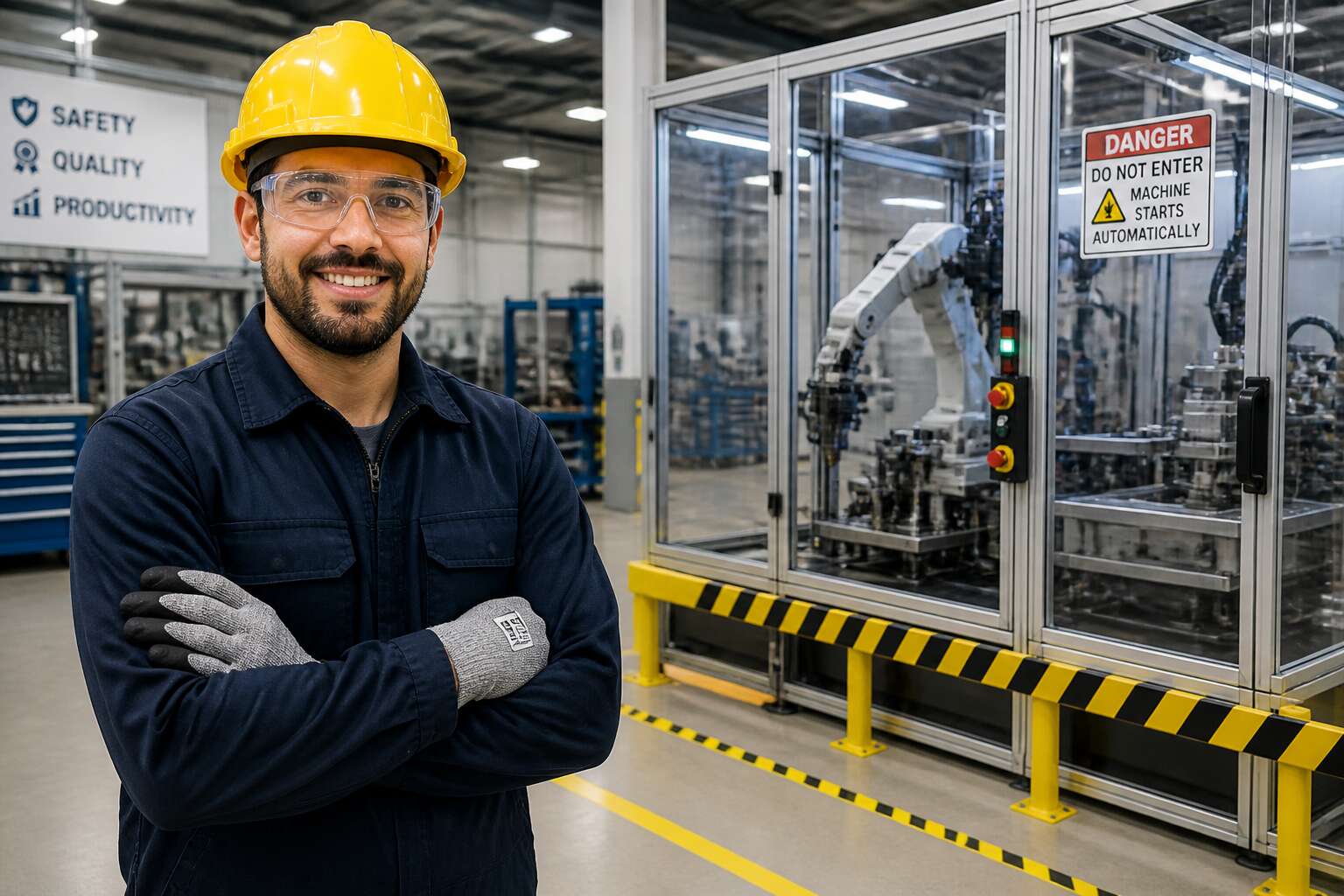
Defining Safety Equipment and Personal Protective Equipment
The line between safety equipment vs ppe often blurs on site. Safety equipment refers to collective protections, like barrier fencing and exhaust systems. PPE is what you personally carry or wear, such as gloves and goggles. Both are essential, but they solve different problems.
- Safety equipment guards entire areas.
- PPE guards only the individual.
Consider a noisy plant in Johannesburg. Earplugs are PPE. Acoustic panels are safety equipment. One protects your ears, the other reduces the hazard at its source. Knowing the difference helps you allocate resources wisely and meet South African regulations with confidence.
Regulatory Classifications and Compliance Standards
South African regulators draw a sharp line between safety equipment vs ppe. The OHS Act mandates both, but they answer to different compliance standards. Personal protective equipment, like hard hats or dust masks, guards the worker. Safety equipment, such as machine guards or ventilation systems, protects the broader environment. This distinction determines which SABS certifications you need, what training to document, and how inspectors evaluate your risk assessments.
- PPE requires individual fit testing and replacement schedules.
- Machine guards demand regular maintenance logs.
- Both streams require clear record keeping for audits.
Many companies treat them interchangeably, which is a costly error. A citation can shut down an entire site over a missing guard, while a faulty respirator leads to a different legal pathway. The nuance between the two is not academic, it is practical.
Practical Applications, Selection Criteria, and Implementation
Cape Town’s docks hum with activity. A crane swings overhead. The question remains: safety equipment vs ppe. This distinction shapes every safety decision. Practical applications come first. Safety equipment, like machine guards and extraction fans, protects the whole workspace. PPE, such as hard hats and steel-toed boots, protects only the person wearing them. Both are indispensable, but they serve different layers of defence.
Selection criteria start with a hazard analysis. I ask if engineering controls can remove the risk before citing PPE. South African heat affects respirator fit. Humidity degrades cheap glove materials. Verify SABS approvals and match gear to the specific task.
Implementation demands routine checks. Store respirators properly. Inspect lanyards before shifts.
- Safety equipment shields everyone nearby.
- PPE shields an individual’s body.
- Audit both weekly to ensure readiness.
Understanding safety equipment vs ppe is foundational. They work in tandem. That is how you keep your crew alive!
Common Misconceptions, Maintenance, and Best Practices
Many workers assume safety equipment vs ppe are interchangeable. That confusion leads to gaps in protection. Safety equipment often includes engineering controls like machine guards, while PPE refers to what you wear, such as gloves or respirators.
I have seen teams skip maintenance because they think PPE is self explanatory. That is a costly error. A torn harness or scratched visor fails when you need it most. Check gear before every shift. Clean it properly. Store it away from sunlight and chemicals.
- Replace any item with visible cracks or frayed straps.
- Follow the manufacturer’s inspection schedule.
- Never modify PPE to fit more comfortably.
Best practices also involve training. Understanding the difference between safety equipment vs ppe is only the first step; maintaining both keeps you alive.

0 Comments