
Comprehensive PPE Reference Outline
Understanding the basics of PPE and its importance
A single overlooked glove can turn a routine shift into a costly misstep. In South Africa’s varied workplaces, ppe in full is more than a checklist; it’s a living promise that safety travels with every task and every handshake with risk.
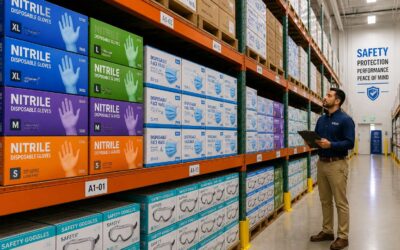
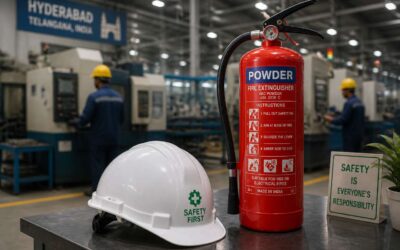
Understanding the basics means seeing PPE as a system, not a souvenir. It spans head to toe—hard hats, eye/face shields, respirators, hearing protectors, gloves, and protective clothing—each chosen to fit the moment and the wearer.
Together, these pieces form the ppe in full approach that keeps workers safe in dynamic environments.
- Hard hats and head protection
- Eye and face protection
- Respiratory protection
- Hearing protection
- Gloves
- Protective clothing and safety footwear
Beyond gear, a culture of care—training, inspection, and diligent maintenance—shapes outcomes across SA workplaces and beyond.
PPE components and how to select them
On South African worksites, a single ill-fitting glove can derail a shift. In safety audits, up to 40% of near-misses involve PPE selection or fit, a sobering reminder that PPE is more than a badge—it’s a daily choice. PPE components in full means treating gear as a system that travels with every task and every risk, from the workshop bench to the front line. A comprehensive reference outline helps teams balance environment, duration, and exposure while keeping workers comfortable and protected. This is the ppe in full approach.
- fit and comfort
- materials and durability
- compatibility with other equipment
- maintenance and inspection requirements
- regulatory compliance for South Africa workplaces
Beyond gear, a culture of care—training and ongoing assessment—shapes outcomes across SA workplaces and beyond.
Regulatory standards, certifications, and compliance
South Africa’s safety audits increasingly measure the ledger as much as the label. The comprehensive PPE reference outline grounds decisions in regulatory standards, certifications, and compliance—the ppe in full mindset that keeps workers safe and operations resilient.
Regulatory standards in South Africa require PPE to match risk, bear appropriate labels, and be supported by routine maintenance, inspection, and training. Devices should carry recognized conformity marks, and suppliers must provide declarations of conformity and traceability so every item can be trusted on site.
Key touchpoints for a compliant program include:
- Regulatory alignment with the Occupational Health and Safety Act and associated regulations
- Certification marks (e.g., SABS) and supplier declarations of conformity
- Record-keeping, inspection schedules, and audit-ready documentation
Maintenance, fit, and best practices for PPE programs
“Fit is safety,” a veteran foreman likes to say, and the lockers never lie. In the realm of ppe in full, maintenance and fit are not afterthoughts but the spine of a resilient safety program.
Maintenance means the right care: routine maintenance, storage away from heat, and ensuring components meet the original specifications. Fit must adapt as bodies change—growth spurts, shifts, or new gear across a diverse workforce—without compromising protection. Best practices emphasize consistent, audit-ready documentation and supplier declarations that travel with every item, because trust travels best with traceability.
Within a robust framework, consider these pillars:
- Governance and ownership of PPE programs
- Traceability and documentation across the lifecycle
- Periodic evaluation of fit across the workforce
When these elements align, the on-site experience feels less ceremonial and more like a quiet, dependable routine—and that’s the real luxury of safety.


0 Comments