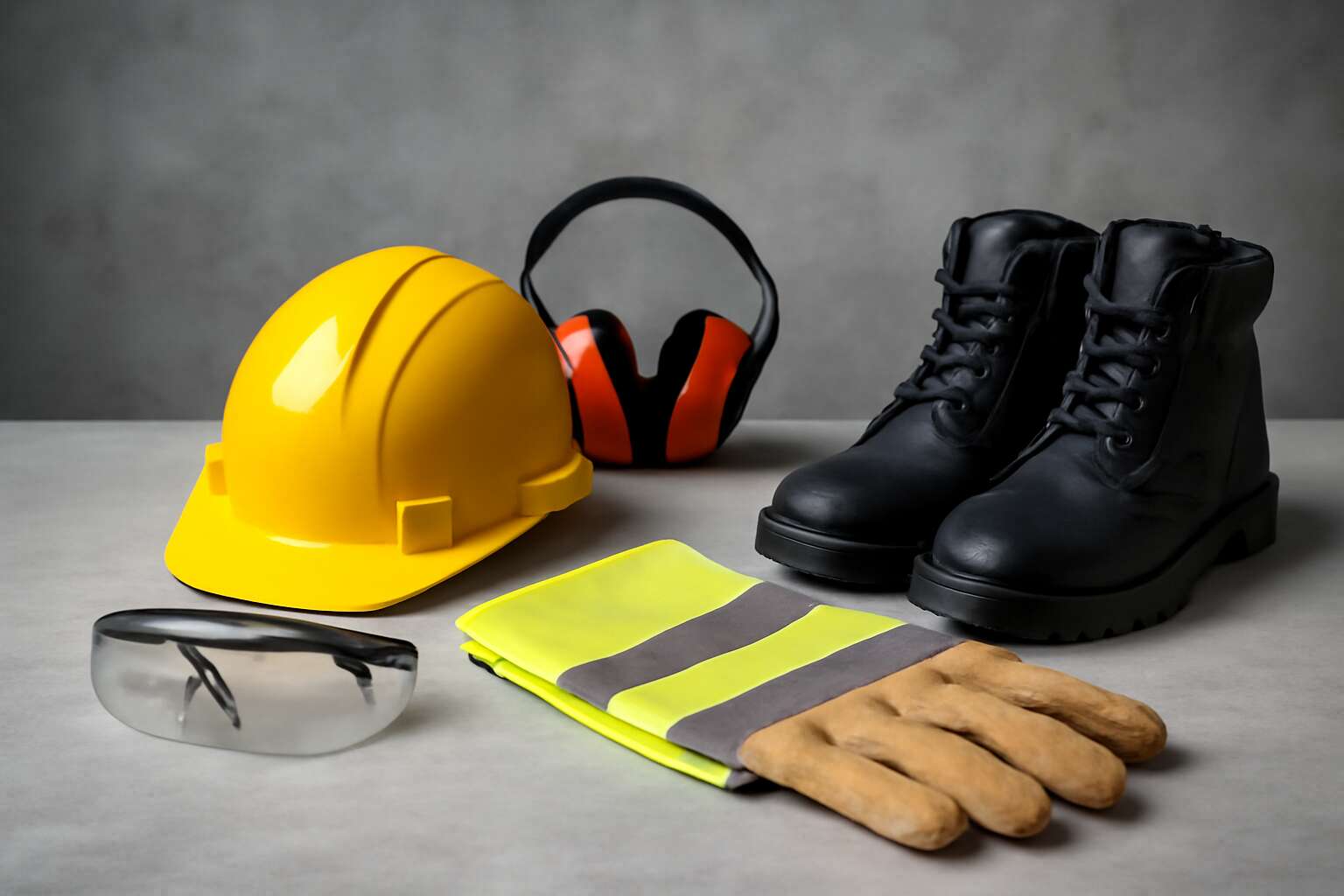
Overview of Personal Safety Gear and PPE Essentials
What constitutes personal safety gear and PPE
In South Africa’s bustling work sites, a single hard hat can be the difference between a routine shift and a life-changing moment. Industry data suggests proper PPE reduces injuries by up to 70%, a statistic that frames every shift with clarity. This overview of personal safety equipment and PPE essentials invites protection as a priority, not a production pause.
PPE spans protective clothing, eye and face protection, and hearing protection. On a site, I notice how the right gear communicates care—hard hats, safety glasses or face shields, gloves, and high-visibility clothing. These elements become a language of safety that can be understood even when noise drowns out conversation.
- hard hats
- eye protection
- gloves
- high-visibility clothing
Beyond material assets, this equipment is a reflection of workplace values! When the culture honours protective gear as essential, trust grows and the human element stays at the center of operational life.
Core categories: head, eye, ear, respiratory, and body protection
On South Africa’s bustling sites, one lapse can echo for days—proper PPE reduces injuries by up to 70%, turning a risky shift into a safe passage. This overview of personal safety equipment reveals five core shields—head, eye, ear, respiratory, and body protection—and how they guard every moment of a working day. When worn with intention, the right gear becomes a clear signal of care amid the clamor of machines and the wind of change.
Within this spectrum, five core guardians stand ready.
- Head protection
- Eye protection
- Ear protection
- Respiratory protection
- Body protection
Together, they craft a language of safety that translates across noisy sites and busy yards.
From hard hats and safety glasses to gloves, hi-visibility clothing, and beyond, the ensemble of PPE keeps the human element at the center of operation. When a site honours protective gear as essential, trust grows and performance follows, weaving a safer narrative through South Africa’s vibrant workplaces.
Choosing PPE by risk level and task
In South Africa’s busy sites, injuries decline when personal safety equipment is matched to risk and task. The overview of PPE essentials shows how care and planning translate into reliable protection. When gear is chosen with intent, it signals professional stewardship amid noise and movement.
- Low-risk tasks: basic protection layers that stay comfortable and accessible.
- Moderate-risk tasks: add intermediate protection while prioritising ease of use.
- High-risk tasks: deploy full-coverage ensembles and enhanced visibility or communication aids.
Risk-based selection keeps teams focused and operations resilient, making this gear the firm backbone of SA workplaces—not a box on a shelf but a living standard.
Real-world scenarios: when PPE matters most
On South African worksites, the choice of personal safety equipment signals care that translates into fewer injuries—and a steadier workflow. I’ve seen injuries drop when PPE is matched to risk and task, sometimes by as much as 40%.
The overview is a living standard, not a momentary checklist. When workers trust their gear, they move with purpose through the bustle, a quiet confidence rising above the clamor of machines and dust.
Real-world scenarios illustrate this truth—moments when PPE matters most:
- Dusty roadworks or mining edges where respiratory protection and eye protection guard long-term health.
- Paint shops or chemical handling, where gloves and splash protection shield skin and eyes.
Common myths about PPE and safety gear
On South African sites, properly chosen personal safety equipment can cut injuries by as much as 40%. An overview of PPE essentials treats gear as a living standard, not a momentary checklist. When workers trust their gear, they move with purpose through the bustle, a quiet confidence rising above the clamor of machines and dust. The aim is fit, comfort, and durability that survive daily wear, inspection routines, and a shift schedule, so PPE is more than decoration—it is a partner in the workflow.
Common myths about PPE and safety gear swirl like lunchtime chatter; let’s set the record straight.
- Myth: PPE alone makes me safe; training and vigilance are optional.
- Myth: One-size-fits-all PPE provides adequate protection for everyone.
In reality, PPE complements risk-aware behavior and procedural controls.
Selecting Protective Equipment by Use Case
Workplace safety: industrial and construction contexts
Across global worksites, more than 2 million workers suffer work-related injuries each year, and many trace back to ill-suited personal safety equipment. In industrial and construction contexts, selecting protective equipment by use case isn’t a luxury; it’s a lifeline that shapes daily rhythms on site and long-term health.
Different use cases demand different protection. On dusty spaces, respiratory gear matters; around grinders, eye and face protection shines; in loud environments, hearing protection is essential.
- Dust and silica exposure control
- Eye and face protection against debris
- Hearing protection for noise-heavy tasks
- Fall protection for elevated work
Ultimately, the right approach aligns risk, task, and protection, turning caution into a shared discipline on South Africa’s construction sites.
Home and DIY safety applications
Weekend projects in South Africa’s cluttered garages deserve a quiet victory, not a trip to the ER. Choosing the right personal safety equipment by use case keeps hobbyists on the right side of safety. A sharp eye and sharper judgment go hand in hand with the right gear.
- Woodworking and sanding — PPE considerations addressing dust and debris
- Painting and solvents — PPE considerations for fumes and splashes
- Gardening and lawn work — PPE considerations for sun and minor hazards
Outdoor, travel, and adventure safety
In a country where emergencies can flare in a heartbeat, the choice of gear is a moral compass rather than a luxury. When you roam outdoors—veld trails, coastal paths, or backcountry routes—the right personal safety equipment becomes more than protection; it’s a quiet vow to return home wiser than you left.
Selecting by use case means listening to the environment before the gear. Outdoors, travel, and adventure demand a balance: sun, wind, terrain, and distance from help all rewrite risk. A compact kit can carry you further than bravado. It isn’t about piling on gadgets; it’s about harmonizing gear with judgment.
- Outdoor adventures: sun protection, eye safety, and sturdy footwear for uneven terrain
- Travel and urban exploration: weather-ready layers, reflective gear, and compact protection for dusty routes
- Adventure sports and remote treks: adaptable protection against sudden rain, wind, and impact risks
In the end, selecting PPE by use case reflects who we are when fear arrives—curious, cautious, and unafraid to pause and choose the right path!
Healthcare and clinical settings considerations
From sterile corridors to the glow of waiting rooms in South Africa’s clinics, personal safety equipment stands as the quiet guard against chaos. A ward whisper: “Protection is not a luxury; it is a discipline.” In clinical spaces, safety lapses ripple through wards, surfacing in near misses. PPE must match the use case.
Healthcare and clinical settings demand choices that respect infection control, comfort, and fit. Gloves, masks, eye protection, gowns, and head coverings are not decorations; they are the language of protection in high-stakes moments.
- Infection-control level and material integrity
- Fit, comfort, and range of motion
- Compatibility with existing equipment and disposal workflow
Ultimately, selecting PPE by use case in healthcare reveals a philosophy: caution with audacity, reverence for life, and the speed to pause and choose. Personal safety equipment becomes more than gear—it is a quiet oath.
Special environments: extreme heat, dust, and moisture
Heat, dust, and moisture do not simply accompany work—they test the soul of your gear. Selecting protective equipment by use case transforms peril into a measurable ballet of fabric and fit. In South Africa’s scorching corridors and dusty yards, the right balance of breathability and barrier performance matters. “The fit is the first shield,” a quiet maxim that guides every choice in personal safety equipment.
- Extreme heat: moisture-wicking base layers, heat-resistant gloves, reflective outerwear
- Dust-rich environments: P2/N95 respirators, sealed goggles, hooded coveralls
- Moisture and wet conditions: waterproof jackets, moisture-barrier boots, seam-sealed gloves
Let the environment decide, and let this unseen guardian answer with quiet authority—an unseen shield that keeps pace with South Africa’s rugged workplaces.
Buying Guide: Quality, Certification, and Budget
Standards and certifications to look for (OSHA, CE, ANSI)
That first splash of PPE can save a life—and it often saves your bottom line, too. In the world of personal safety equipment, quality, certification, and budget standards aren’t optional add-ons; they’re the trifecta that keeps projects moving and fines at bay. A compelling stat sticks: certified gear reduces injuries by up to 40%, turning caution into currency.
Consider these certification pillars:
- OSHA standards and labeling for workplace compliance
- CE marking for European compatibility
- ANSI performance levels for tested reliability
In South Africa, look for local validation such as SABS or NOSA alignment, and balance cost against durability to stretch your budget without skimping on protection. Personal safety equipment is an investment in people and productivity, not a disposable expense.
Material quality, durability, and performance
Quality is the quiet sovereign of risk. When you choose material quality, durability, and performance, you don’t merely acquire PPE—you secure continuity. Budgeting for personal safety equipment isn’t a penalty; it’s an investment in people and productivity, a shield that pays dividends when the night shifts grind on.
Choose certifications that endure beyond a purchase order, and balance upfront cost against long-term protection. In South Africa, look for local validation such as SABS or NOSA alignment to keep compliance tight and pockets whole.
- Material integrity and finish
- Durability under real-world tasks
- Local validation and after-sales support
Let the budget be a compass, not a chastening whip. Seek gear that performs when the stakes bite, and you’ll hear the ledger sing rather than sigh.
Fit, comfort, and ergonomic design
A fortress for the working soul begins with gear that can be trusted when the night shifts bite. In personal safety equipment, quality is the quiet sovereign; it outlasts the grind and the smoke of hazard. Buy smart and you secure continuity, not chaos.
Quality and certification forge trust. In the realm of personal safety equipment, seek standards that endure beyond a receipt and align with local validation such as SABS or NOSA in South Africa to keep compliance tight and the purse balanced.
- Certification marks and material traceability
- Comfort, fit, and ergonomic design for long shifts
- Durability under real-world tasks and easy maintenance
- Local after-sales support and validation services
Budget fit is a compass, not a whip. Measure upfront cost against long-term protection and choose gear that performs when the stakes bite, so the ledger sings, not sighs.
Budgeting tips: getting value without compromising safety
Top-grade personal safety equipment is a quiet shield—reliable when the night shift bites. Quality outlasts the grind, and smart purchases safeguard continuity in harsh conditions.
In South Africa, standards carry weight beyond a price tag. Seek alignment with SABS or NOSA, and insist on clear material traceability to keep compliance tight and upkeep sensible.
Because grit and grit alone won’t do, here’s a quick filter for value:
- Certification credibility with traceability
- Durable construction designed for real-world tasks
- Maintenance-friendly design that lasts through long shifts
- Reliable local after-sales support
Budget fit is a compass, not a whip; measure upfront cost against long-term protection and choose gear that performs when the stakes bite.
Usage, Maintenance, and Training for Effectiveness
Donning and doffing techniques for different PPE
Usage: Donning is the first shield you wear, a poised seal that keeps danger at bay. For gloves, respirators, eye protection, and hearing devices, follow the manufacturer’s sequence; a single misstep can compromise all the effort invested in personal safety equipment.
Maintenance: After each shift, inspect for tears or cracks, test fit, and wipe clean with manufacturer-approved products. Store away from heat, dust, and moisture, and replace worn parts promptly to preserve effectiveness and extend the life of your equipment.
Training: Practice donning and doffing for each PPE type until the motions feel automatic, safe, and clean. Include a simple drill—check, apply, adjust, and remove—without touching the contaminated front. Rehearsal makes the personal safety equipment feel real.
Cleaning, storage, and replacement schedules
Usage: In South African workplaces, personal safety equipment earns its keep only when used with discipline. Choose the right gear for the task, then use it consistently: perform a quick pre-use check, handle components with clean hands, and store them in a clean, dry space away from heat or chemicals.
Maintenance: Build a simple log for each item—purchase date, last inspection, and next replacement date. Rotate stock so near-expiry pieces are used first, retire worn gear promptly, and wipe surfaces with manufacturer-approved products before returning PPE to the storage area.
Training: Embed regular sessions that reinforce cleaning, storage, and timely replacement. Include a simple drill—check, apply, adjust, and remove—without touching the contaminated front, so teams build muscle memory and keep it ready for action.
Inspection and defect identification before use
Usage: In South African workplaces, personal safety equipment protects lives only when worn with discipline. Start each shift with a quick pre-use check: inspect for tears, cracks, or loose fasteners, and verify seals. Handle components with clean hands and confirm a proper fit before action. If you notice any defect, tag it and replace.
Maintenance: Keep a simple log for each item—purchase date, last inspection, and next replacement date. Rotate stock so near-expiry pieces are used first, retire worn gear promptly, and wipe surfaces with manufacturer-approved products before returning PPE to storage.
- Purchase date
- Last inspection
- Next replacement date
Training: Regular sessions reinforce cleaning, storage, and timely replacement. Include a simple drill—check, apply, adjust, and remove—without touching the contaminated front, so teams build muscle memory and stay ready for action.
Training plans and ongoing safety education
Usage matters in effective training plans; they rely on disciplined use of personal safety equipment. In busy South African workplaces, gear protects lives only when we wear it consistently. Start each shift with a mental checklist and a quick physical scan of components—straps, seals, and fasteners—before action!
Maintenance hinges on simple, traceable routines. Keep a basic log: purchase date, last inspection, next replacement date. Rotate stock so newer items stay in rotation; retire worn gear promptly; wipe down surfaces with manufacturer-approved products before storage.
Training for ongoing safety education keeps teams ready.
- Deliver regular refreshers on cleaning and storage.
- Run drills that simulate a quick inspection and proper fit without touching contaminated fronts.
- Reinforce timely replacement and correct putting-on techniques.
Creating a PPE program for teams and workplaces
In South Africa’s crowded work sites, a single moment can seal a fate! Personal safety equipment earns its keep only when people wear it consistently. Usage starts the moment the shift begins—a mental check of purpose and a quick physical scan of straps, seals, and fasteners before any task.
Maintenance is a quiet discipline with visible returns. Keep a simple, traceable routine: record purchase date, last inspection, and next replacement. Rotate stock so newer items stay in rotation; retire worn gear promptly; wipe surfaces with manufacturer-approved products before storage. This care preserves the integrity of the gear when it matters most.
Training creates a culture that outlasts seasons. Deliver regular refreshers on cleaning and storage, and run drills that simulate a quick inspection and proper fit without touching contaminated fronts. Reinforce timely replacement and correct putting-on techniques, so the team respects the lifecycle of the gear.


0 Comments