PPE importance in the workplace
Protecting workers from common hazards
A sharp statistic jolts the reader: in South Africa, up to 60% of injuries in construction could be prevented with proper PPE. PPE isn’t a fashion statement; it’s the difference between a shift that ends with a whistle and one that ends in a hospital bed. When sun-baked yards and concrete dust swirl, the right gear becomes a quiet, stubborn shield, and that is why ppe is important.
To stay protected on site, a few essentials cover most hazards.
- eye and face protection against splashes and debris
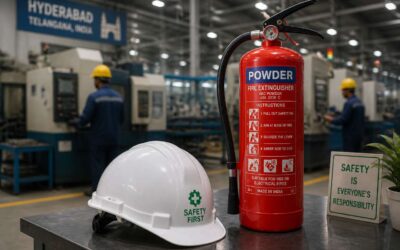
- head protection to shield against falling objects
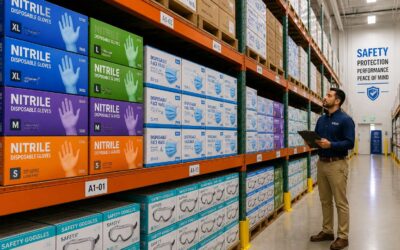
- hand protection for cuts and chemical exposure
- respiratory protection in dusty environments
- high-visibility clothing for site awareness
Beyond hardware, PPE fosters a culture of care—workers notice each other’s protection, and managers recognize the quiet discipline that keeps teams intact.
Reducing injuries, illnesses, and downtime
On a sun-worn South African site, I’ve learned that safety travels with you as sure as the rattle of a chain in the morning. This is the moment to whisper the truth: why ppe is important sits on every worker’s shoulders, steady as a heartbeat!
When the gear is worn properly, injuries shrink, illnesses fade, and downtime becomes a rarer interruption. The quiet discipline of PPE multiplies safety and keeps livelihoods intact—for families and for communities that depend on steady work.
- Less downtime and medical costs
- Better morale and teamwork
- Stricter compliance with safety laws
Beyond the hard stuff, PPE is a gesture of care—the moment you see a coworker adjust their mask or check a glove, you feel the site’s heart. Protection becomes routine, and routine becomes resilience.
Impact on productivity and safety culture
On South Africa’s sun-worn sites, safety is a daily rhythm. A foreman’s comment sticks with me: PPE travels with the crew, like a heartbeat that never skips! This is why ppe is important and deserves more than a glance—it shapes decisions at every corner of the site.
When gear is used correctly, productivity stays steady and morale climbs. A culture that sees PPE as a shared habit keeps work moving and errors low.
- Increased focus and fewer avoidable delays
- Stronger teamwork through shared routines
- Consistent compliance with safety rules
Protection becomes normal, not optional, and that ordinary discipline compounds resilience across the workforce.
Cost considerations: PPE vs. accident costs
On a sun-baked South African site, PPE is more than gear—it’s an insurance policy you can hold. This is why ppe is important.
Budgeting for PPE saves money in the long run. The upfront cost sits against accident costs that bite into medical bills, downtime, and penalties that ripple through timelines.
- Medical treatment and rehabilitation
- Downtime and lost productivity
- Legal penalties and reputational damage
When PPE becomes ordinary, teams stay focused and projects stay on track. For every rand spent on safety gear, the real return is measured in safer mornings, steadier work, and a culture of care that travels with the crew.
Health and safety benefits of PPE
Injury and illness prevention across industries
Across South Africa, PPE is not a luxury but a lifeline, quietly preserving livelihoods. When a glove, visor, or respirator fits right, hazards stay outside the doorway and safe hands stay steady on the job. This is why ppe is important.
Health and safety benefits ripple across industries—from the dusty farms to bustling factories—reducing exposure to chemicals, dust, and noise. Proper PPE helps prevent injuries and illness while keeping teams intact and morale high, even on long shifts in rural communities!
- Protective clothing and gloves guard agricultural workers against pesticides and splashes in the field.
- Eye and face protection reduces injury risk in welding, grinding, and construction projects.
- Respiratory gear lowers inhalation hazards in mining, stone processing, and chemical handling.
In South Africa’s diverse workplaces, PPE becomes a steady companion that sustains families and keeps production moving forward with dignity.
Infection control and workplace transmission
On South Africa’s factory floors, a properly fitted glove or visor is not a fashion statement but a lifeline. For workers, it’s the quiet shield that keeps exposure to dust, chemicals, and microbial threats at bay. A seasoned supervisor murmured, “PPE is the cheapest form of resilience—protects the people, and the day keeps moving.”
PPE’s role in infection control pays dividends across shifts, as transmission risks fall when PPE is consistently worn. It creates robust barriers to droplets and particulates and supports hygiene discipline, preserving staffing levels when outbreaks loom.
- Reduces cross-contamination between surfaces and hands
- Minimizes inhalation exposure to hazardous dust and fumes
- Maintains workforce continuity and morale
This is why ppe is important for every shift, keeping families intact and workplaces humming.
Boosting worker confidence and morale
Across South Africa’s factory floors, the data speaks in quiet terms: properly fitted PPE reduces exposure and sustains focus through long shifts. As a seasoned supervisor offers: “PPE is the cheapest form of resilience—protects the people, and the day keeps moving.” This daily shield travels home, protecting families and futures. This is why ppe is important—it’s the calm authority behind resilience on the line.
Boosting confidence and morale happens not in applause but in daily practice. When gear fits, workers meet demands with steadier hands and clearer minds. Consider these quiet gains:
- Enhanced sense of safety, reducing hesitation
- Greater focus on tasks, less fatigue
- Stronger team trust and collaboration
That inner assurance translates into better performance and choice—smart, careful, present. In a landscape where every shift bears risk, PPE becomes a partner in dignity, keeping teams intact and the work moving with grace.
Regulations and compliance around PPE
OSHA and global safety standards overview
In South African workplaces, regulations thread through every glove and boot. A lapse can trigger injuries, penalties, and costly downtime. Regulators shape what must be worn, when, and by whom, and these rules are not just paperwork. Compliance isn’t a trap—it’s a shield that keeps teams safe and productive. This is why ppe is important.
A quick regulatory snapshot includes these touchpoints:
- Global references such as OSHA and international safety frameworks
- ISO 45001 and EN product standards that govern PPE performance
- South Africa’s Occupational Health and Safety Act (OHSA) and related enforcement
When these standards align, PPE transcends compliance to become a reliable safeguard that supports productivity and a confident safety culture.
Industry standards: ANSI/ISEA and others
Regulations aren’t a cage; they’re the shield that keeps factories humming. In South Africa, ANSI/ISEA and other international standards set the bar for PPE performance, fit, and test methods. When PPE clears these tests, you’re not chasing paperwork—you’re backing up every shift with credible protection.
- ANSI/ISEA Z87.1 for eye and face protection
- ANSI/ISEA Z89.1 for head protection
- ANSI/ISEA 105 for glove performance
- EN 166 and EN 374 family where applicable
Regulators, insurers, and clients who value consistency nod to these benchmarks. That’s at the heart of why ppe is important.
Training requirements and competency
Every shift starts with a quick, quiet check—gloves? goggles? The payoff is more than comfort; it’s the difference between a safe day and an avoidable accident. “Safety isn’t a cage—it’s a shield that keeps families fed and factories humming,” a supervisor once told our team. In South Africa, regulators insist on clear training and documented competency to ensure PPE isn’t just worn, but understood and trusted.
- Induction and PPE introduction for new staff
- Task-specific coaching on correct donning, doffing, and fit
- Regular competency assessments after procedures or equipment changes
- Ongoing refreshers and record-keeping for accountability
This is why ppe is important. When competency meets compliance, protection travels from paper to practice, guarding livelihoods across rural and urban SA workplaces.
Inspection, maintenance, and labeling
In South Africa, PPE compliance is a daily ritual under the Occupational Health and Safety Act. Regulations require pre-use inspections, documented maintenance, and clear labeling that communicates expiry, standards, and care. This is how compliance translates to protection—the answer to why ppe is important.
- Pre-use inspection checklist and function tests
- Scheduled maintenance with dates, technician initials, and parts replaced
- Explicit labeling of expiry dates, standard numbers, and safety instructions
When these elements are routine, protection travels from policy to practice across SA workplaces, guarding lives and livelihoods!
Audits, incident reporting, and accountability
Regulation turns protection into practice in South Africa, where the Occupational Health and Safety Act requires transparent PPE audits and timely incident reporting. When safety records are kept with discipline, hazards surface before they bite, and workers move with greater confidence. This is why ppe is important—a governance principle that locks safeguarding into every shift.
Audits are not punitive; they map how compliance translates into protection, surfacing gaps and guiding training and maintenance.
- Pre-use inspections, function tests, and maintenance records
- Incident reporting protocols with timelines and accountable parties
- Clear escalation paths and supervisor responsibilities
- Centralized, accessible audit trails for transparency
When audits, reporting, and accountability align, PPE stops being an instrument of compliance and becomes a shield workers can trust.
Choosing, fitting, and maintaining PPE
Hazard assessment and selecting the right PPE
“If it doesn’t fit, it won’t save you,” a South African safety officer likes to say. PPE isn’t a luxury; it’s a shield that keeps workers on site when the job turns nasty!
Understanding risk and hazard assessment helps you choose the right PPE. This is why ppe is important. A quick scan of the environment—dust, splashes, heat, impact—tells you what gear matters, and why fit and comfort aren’t luxuries but safety essentials.
Choosing well-fitting PPE isn’t a one-off. It’s a living process—reassess tasks, note feedback, and swap worn gear. When PPE fits and is maintained, safety feels natural.
Sizing, fit, and comfort considerations
“If it doesn’t fit, it won’t save you,” a South African safety officer likes to say, and the line still stings with truth. Choosing PPE begins with sizing, fit, and comfort; gear that bites or binds invites complacency on the job. When the silhouette feels right—snug but unfettered—the work flows, and this is part of why ppe is important.
- Brand sizing varies; comfort and mobility reveal themselves through fit.
- Dexterity matters—gloves must enable precise work without binding.
- Adjustable features in respirators, harnesses, and visors influence seal and confidence.
Maintenance seals the deal—regular inspections, cleaning after shifts, and timely replacement of worn components keep fit true. A well-cared-for kit travels light on the body and in the mind, letting workers focus on the task with confidence.
Donning, doffing, and usage best practices
Across South Africa’s farms, workshops, and mines, PPE is the quiet sentinel guarding every day’s hands and lungs. When gear fits and moves with you, fear stays outside and work flows. Choosing the right pieces, ensuring a proper fit, and prioritizing comfort set the stage for safer shifts. This is the reason why ppe is important.
Donning sets the tone for safety. Try this sequence to keep the integrity of the kit and your confidence high:
- Inspect for wear or damage before each shift.
- Put on gloves first, then other layers, ensuring clean hands.
- Adjust respirators and visors for a snug seal without pressure points.
- Doff in reverse order after work, avoiding contact with contaminated surfaces.
Doffing is where risk hides when haste wins. Remove gloves and outer layers first, then face protection, keeping hands away from the face. Store items properly and note any wear for timely replacement.
Cleaning, maintenance, and disposal
Choosing PPE begins with hazard understanding and practical fit. The right pieces shield lungs, eyes, and hands without restricting movement. Comfort and compatibility matter—gear that fits and breathes stays on, supporting steady work. This is why ppe is important.
Fitting and ongoing care are as crucial as selection. A snug seal, full range of motion, and compatibility with other protection avoid distractions and fatigue. Ill-fitting gear invites discomfort and reduces focus on the task.
Cleaning, maintenance, and disposal shape long-term protection. Clean by materials’ guidelines, dry fully, and store away from contaminants. Disposal follows local rules and manufacturers’ instructions. This approach keeps equipment reliable and safe across South African worksites.
- Material compatibility with hazards
- Visual and physical integrity checks
- Labeling, storage, and handling
- Disposal options and recycling where available

0 Comments