Choosing Safety Equipment in Winnipeg
Local considerations and safety needs in Winnipeg
‘Safety is a choice we make every day,’ a mantra Winnipeg workers carry into frost-kissed mornings. Choosing safety equipment winnipeg isn’t just about compliance—it’s about comfort, confidence, and uninterrupted work through long Canadian winters. Local considerations demand gear that performs in subzero temps, resists moisture, and fits varied jobsites with grace.
- Climate-ready PPE: insulated gloves, anti-slip boots, and visors designed for icy conditions
- Fit and comfort: gear that moves with you and stays secure all day
- Maintenance cycles: local service, timely replacements, and easy inspections
- Compliance: equipment meeting Winnipeg-adjacent safety standards
In a city that wears winter like a badge of honour, safety equipment winnipeg stands as a quiet partner, turning risk into resilience and uncertainty into routine. It’s not just gear; it’s the quiet confidence that carries a crew through the day and into tomorrow.
Top safety equipment categories for Winnipeg workplaces
“Safety is a rhythm you keep all day,” a Winnipeg foreman once told me. In Winnipeg, safety equipment winnipeg isn’t just gear—it is calm confidence before the first frost bite of morning wind, a promise that warmth and visibility stay with you through every task.
Here are the top safety equipment categories you’ll encounter on Winnipeg sites:
- Eye and face protection
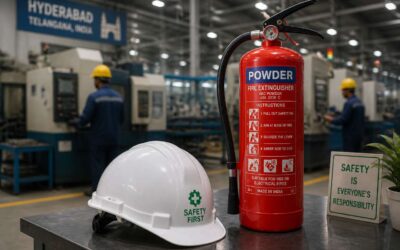
- Head protection and hard hats
- Insulated, slip-resistant footwear
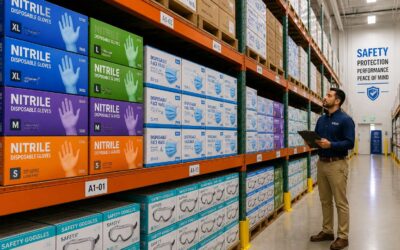
- Hand protection and cut resistance
- Respiratory and hearing protection
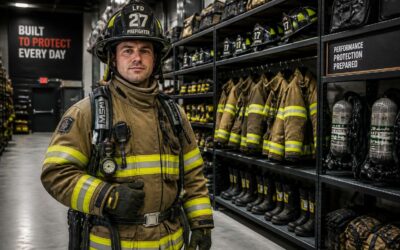
- High-visibility outerwear
Choosing among these categories is a daily balance of warmth, fit, and durability—a quiet commitment that keeps crews productive when the wind howls and surfaces bite. It’s not only about compliance; it’s about turning risk into resilience, one piece of safety equipment Winnipeg at a time.
Seasonal and climate-related gear for Winnipeg environments
Winnipeg’s winter wind is a relentless negotiator with cold fingers—wind chills can plunge toward -30°C, a frigid reminder that gear is not optional. In this climate, choosing safety equipment Winnipeg isn’t about following a rulebook; it’s about dressing resilience like a second skin, so a routine task doesn’t become an icy inconvenience.
Seasonal gear must balance warmth, fit, and mobility, and it speaks to the wearer’s pride as much as to the safety memo. The choice hinges on warmth without suffocation, durability without stiffness, and a silhouette that won’t betray you on a windy scaffold. safety equipment winnipeg becomes a trusted companion when insulation and construction align with human micro-movements.
For South African readers, the lesson is universal: gear that respects both warmth and dexterity makes a crew feel cared for and capable, turning Winnipeg’s rough charm into a manageable daily theatre.
How to assess job-specific safety gear requirements
Nearly 60% of on-site incidents trace back to gear mismatches, a grim whisper in Winnipeg’s glassy wind. Choosing safety equipment winnipeg isn’t a ritual so much as a pact between body and weather, a way to keep routine tasks from turning into icy theatre.
To assess job-specific safety gear requirements, I map the workload like a cathedral blueprint—quiet, precise, unyielding.
- Hazards and exposure include impact, chemical, heat, and cold risks
- Task duration and required dexterity influence glove and sleeve choices
- Regulatory standards and site policies guide the selection framework
This triad keeps safety gear aligned with human rhythm, not the other way around.
South African readers will recognize the universality of this approach: gear must bend with breath, not break under pressure. When fit and function align, Winnipeg’s gusts become daylight, not doom.
Safety Standards, Certification, and Compliance in Winnipeg
CSA, ANSI, and other relevant certifications in Canada
Winnipeg’s winter is a pretty stern auditor—blizzards test more than patience; they test safety equipment winnipeg. When you talk safety equipment winnipeg, compliance isn’t optional, it’s weatherproofing for the workforce. CSA and ANSI standards aren’t museum plaques; they’re practical guardrails that keep hands warm and heads intact, even when the furnace breaks.
Standards and certifications matter, not marketing fluff. Here are pillars to look for:
- CSA Group certification marks covering PPE used in Canada (e.g., eye/face, head, footwear) ensure products meet Manitoba’s demanding benchmarks.
- ANSI/ISEA performance standards reference the international best practices your gear should meet before the first shift.
- ISO 45001 certification for manufacturers helps guarantee an integrated safety management system behind every safety equipment winnipeg purchase.
Other relevant certifications and cross-border notes remind buyers that good PPE is as much about process as product—opt for gear with robust traceability. That discipline sustains safety equipment winnipeg standards, no matter how brisk the season.
Workplace safety regulations in Manitoba
Winnipeg’s brutal winter is a stern auditor—the proof lies in certified PPE that turns risk into resilience; recent industry data show compliant gear can reduce injuries by up to 60% on brutal shifts. For the latest in safety equipment winnipeg, compliance becomes weatherproofing for the workforce.
Key standards to seek include:
- Traceability across the supply chain to verify provenance and material specs
- Visible third-party certifications that confirm PPE performance
- ISO 45001-aligned manufacturing safety management systems backing every purchase
CSA Group certification marks covering PPE used in Canada (eye/face, head, footwear) ensure products meet Manitoba’s demanding benchmarks. ANSI/ISEA performance standards reflect international best practices your gear should meet before the first shift. ISO 45001 certification for manufacturers signals an integrated safety management system behind every safety equipment winnipeg purchase. Cross-border notes remind buyers that good PPE is as much about process as product—robust traceability sustains standards through every season. For a South African audience, the universality of these standards is clear.
Inspection and maintenance schedules for compliant gear
Winnipeg’s winter bites hard, and the data can’t be ignored: compliant PPE cuts injuries by as much as 60% on brutal shifts. Safety standards aren’t decorative ornaments; they are weatherproofing for workers. In this climate, your safety equipment winnipeg must prove provenance, performance, and purpose at every turn.
Certification and compliance live in the ledger of every purchase: traceability across the supply chain, visible third-party marks, and ISO 45001-aligned manufacturing systems. Regular inspection and maintenance schedules keep gear honest, ensuring PPE remains fit for Manitoba’s fronts—rain, ice, and frost.
- Pre-shift visual checks for wear and damage
- Annual certification renewals and manufacturer maintenance windows
- Record-keeping that tracks lot numbers and replacement dates
From South African readers to Winnipeg crews, the universal truth is that good PPE is more process than product—traceable, certified, and properly cared for, it keeps the night from taking you.
Training and documentation requirements for safety equipment
60%—the difference compliant PPE makes on Winnipeg’s brutal shifts isn’t a statistic so much as weatherproofing for the soul. Safety standards here are practical guarantees, demanding training that translates into action and documentation that travels with the gear. That’s why safety equipment winnipeg rests on provenance, performance, and purpose.
In this training and documentation landscape, records stay tidy, auditable, and legible—ensuring each purchase funds a safer tomorrow instead of a shrug and a receipt. For South African readers, the same discipline travels across borders.
Here are the core documentation requirements that keep gear honest:
- Training records showing completion dates and recertification windows
- Equipment provenance and maintenance logs tied to batch/lot numbers
- Supplier compliance attestations and third-party verifications
Audits and record-keeping for safety equipment programs
Winnipeg’s safety standards are a living contract between gear and worker. In audits, certainty comes from training completed, maintenance logged, and verifications kept close at hand. Certification isn’t a trophy on a wall; it’s daily reliability forged in purposeful use and accountable records!
Across borders, the discipline travels; in Winnipeg, safety equipment winnipeg compliance hinges on auditable provenance, maintenance logs, and verifications.
- Provenance and batch/lot traceability linking gear to its source
- Maintenance logs tied to service dates and component lifespans
- Supplier attestations and third-party verifications confirming compliance
Audits demand legible trails and timely recertifications; the quiet work behind every PPE purchase matters.
Where to Buy and Rent Safety Equipment in Winnipeg
Local suppliers and PPE distributors in Winnipeg
Winnipeg’s winter wind is a fierce ally, but a well-stocked toolkit makes the day steadier. In local supply chains, 83% of maintenance teams report faster project turns when safety equipment winnipeg is ready and trusted in the field.
When you choose where to buy or rent, Winnipeg offers a spectrum of local suppliers and PPE distributors. I’ve seen teams breathe easier when gear arrives on time and is clearly compliant. Options range from basic protection to advanced respirators, with flexible delivery.
- General PPE suppliers: hats, goggles, gloves
- Rental houses: short-term gear and checks
- Industrial distributors: bulk purchases and documentation
For South African readers, the rhythm is the same: local availability, quick turnaround, and clear records keep operations flowing even under pressure.
Retail vs. rental options for temporary projects
In Winnipeg, 83% of maintenance teams report faster project turns when safety equipment winnipeg is ready and trusted in the field. That readiness turns a tense morning into a steady march, especially as winter winds bite the job site. Local suppliers offer quick in-store or door-to-site options.
Retail paths for safety equipment winnipeg mean instant possession, trusted brands, and a broad range for every climate. For longer programs, these stable options reduce admin fray and keep a clean record trail, a comforting constant even when storms roll in.
Rental houses shine for temporary projects: short-term gear, checks, and flexible delivery windows that align with shifting schedules. Equipment is tagged and tested, allowing teams to focus on the work.
- Retail advantages: immediate access, broad selection, straightforward returns
- Rental advantages: flexible terms, on-site checks, simplified maintenance
Online vs. in-store purchasing considerations and delivery
Winnipeg’s winter winds remind us that readiness is safety’s best ally. In this market, 83% of maintenance teams report faster project turns when safety equipment winnipeg is ready and trusted in the field. Online shopping offers the widest brand range and doorstep delivery, while in-store buys give instant possession and on-the-spot fit checks. For temporary projects, rental options bring flexibility with on-site checks and shorter delivery windows, keeping crews moving despite shifting schedules.
Delivery planning should match the cadence of the job, whether you choose to buy or rent for safety equipment winnipeg teams. Online orders can bring lead times and tracking, while in-store purchases simplify returns and swaps for safety equipment winnipeg projects.
- Online shopping: price transparency, broader brand choice, and doorstep delivery.
- In-store shopping: instant possession, fittings, and local advice.
- Delivery planning: schedule windows to match work crews and weather.
Evaluating supplier warranties and return policies
Winnipeg’s winter winds remind us that protection travels with you—83% of maintenance teams report faster project turns when the gear is ready and backed by a solid warranty. For safety equipment winnipeg, the decision to buy or rent often hinges on who stands behind the gear as much as the price.
When evaluating suppliers, look for clear warranties that cover defects, fit issues, and timely replacements, especially for climate‑sensitive items. Return policies should allow exchanges during the critical install window to avoid downtime. If renting, confirm on‑site delivery, flexible terms, and accessible service support throughout shifts.
- Warranty scope and duration
- Return and exchange windows
- Rental terms and maintenance support
For South African buyers, these policies translate across borders and help teams stay ready despite the cold. The right warranty and the right return policy keep safety equipment winnipeg moving from site to site, not stuck in paperwork.
Bulk purchasing and contractor discounts in Winnipeg
Winnipeg crews know winter arrives early, and 83% of maintenance teams report faster project turns when gear is bulked and ready—the kind of readiness that safety equipment winnipeg embodies.
Where to buy and rent safety gear in Winnipeg blends local know‑how with scalable options. Bulk purchasing programs and contractor discounts are common, helping teams outfit entire crews without breaking the budget. Consider these avenues:
- Manufacturer-direct distributors in Winnipeg offering bulk pricing
- Local PPE houses with contractor tier discounts
- Rental fleets that provide long‑term packages and on‑site support
For South African buyers, the appeal is universal—cross‑border terms keep safety equipment winnipeg moving from site to site rather than bogged down by paperwork. Good gear, good pricing, good peace of mind!
Maintenance, Training, and Lifecycle Management
Routine inspection checklists for PPE
Maintenance isn’t glamorous, but it’s the difference between a heroic save and a trip to the safety office. For safety equipment Winnipeg, routine upkeep keeps gear dependable through our brisk winters and variable shifts.
- Daily visual checks for cracks, tears, and loose fittings
- Clean, sanitize, and follow manufacturer guidance after use
- Log wear and replace parts per the spec
- Store PPE in a dry, ventilated area away from chemicals
Training is ongoing theater, not a one-off cue. Crew members should know how to inspect PPE, don and doff correctly, clean and store it, and recognize when a component needs replacement. Effective training reduces ambiguity and boosts confidence on site.
Lifecycle management links maintenance with audits and procurement, creating a perpetual improvement loop. The process can be mapped as:
- Assessment and procurement
- Regular inspections
- Cleaning and storage
- Replacement planning
- Documentation and audits
Storage, cleaning, and hygiene best practices
A brisk Winnipeg shift belongs to the vigilant. A torn seal can silence a corridor of work, turning minutes into a chorus of delays. For safety equipment winnipeg, routine upkeep is the quiet heartbeat that keeps gear dependable through winter winds and variable shifts. Maintenance begins with daily visual checks and ends with a record that travels with the gear.
- Daily checks for cracks, tears, and loose fittings
- Clean and sanitize after use per manufacturer guidance
- Log wear and replace parts per the spec
- Store PPE in a dry, ventilated area away from chemicals
Training is ongoing theater, not a one-off cue. Crew members should know how to inspect PPE, don and doff correctly, clean and store it, and recognize when a component needs replacement. This reduces ambiguity and boosts confidence on site. Hygiene practices guard the crew!
Lifecycle management links maintenance with audits and procurement, creating a perpetual improvement loop. The process can be mapped as:
- Assessment and procurement
- Regular inspections
- Cleaning and storage
- Replacement planning
- Documentation and audits
Replacement timelines and end-of-life planning
Maintenance is the quiet heartbeat of safety equipment winnipeg, and studies show proper upkeep reduces on-site incidents by up to 30%. Daily visual checks catch cracks, tears, and loose fittings before a shift starts, keeping gear dependable through polar winds and long nights.
Training remains ongoing theatre, not a one-off cue. Crew members should know how to inspect PPE, don and doff correctly, clean and store it, and recognize when a component needs replacement.
Lifecycle management links maintenance with audits and procurement, creating a perpetual improvement loop. The process can be mapped as:
- Assessment and procurement
- Regular inspections
- Replacement planning
End-of-life planning keeps gear from lingering past usefulness, guiding disposal, recycling, and replacement budgeting so it stays ready when it matters most.
User training programs and competency verification
Maintenance is the quiet heartbeat of safety equipment winnipeg, a discipline that preserves trust when polar winds howl and shifts run late. Diligent upkeep extends gear life, prevents surprises, and keeps teams aligned with standards—because dependable PPE makes every operation safer and more humane.
Training remains ongoing theatre, not a one-off cue. For user training programs and competency verification, crews should master PPE inspection, don and doff correctly, cleaning and storing it, and recognizing when a component needs replacement.
Lifecycle management links maintenance with audits and procurement, creating a perpetual improvement loop. The process can be mapped as:
- Assessment and procurement
- Regular inspections
- Replacement planning
End-of-life planning keeps gear ready for when it matters most, guiding disposal, recycling, and replacement budgeting so Winnipeg workers have access to trusted safety equipment winnipeg when it counts.
Tracking equipment inventory and reordering
Maintenance is the quiet heartbeat of safety equipment winnipeg, a discipline that preserves trust when the shifts run late and the cold bites. Regular upkeep lengthens gear life, prevents unexpected failures, and keeps teams aligned with standards—because dependable PPE makes every operation safer and more humane.
Training remains ongoing theatre, not a one-off cue. For user training programs and competency verification, crews should master PPE inspection, don and doff correctly, cleaning and storing it, and recognizing when a component needs replacement.
Lifecycle management links maintenance with audits and procurement, creating a perpetual improvement loop. Tracking equipment inventory and reordering prevents gaps, while end-of-life planning aligns disposal and budgeting so Winnipeg workers have access to trusted safety equipment winnipeg when it counts.
Industry-Specific Safety Equipment in Winnipeg
Construction site safety gear and regulations in Manitoba
Winnipeg’s horizons glow with steel and possibility, and the secret to turning that glow into safe progress is safety equipment winnipeg—where gear becomes the quiet partner in every lift and trench. On Manitoba sites, the right equipment doesn’t merely fulfill a rulebook; it carves a path through risk, letting crews move with confidence rather than fear.
Consider these industry-specific essentials that meet Manitoba’s construction-site expectations:
- Fall protection equipment (harnesses, lanyards, anchor points)
- Respiratory protection appropriate for dust, fumes, or silica
- Hearing protection suited to noise levels
- High-visibility apparel and appropriate eye protection
The interplay between gear, supervision, and process discipline keeps protocols clear and everyone’s steps measured. That harmony is Winnipeg’s quiet guarantee of progress.
Hospitality and food service safety equipment essentials
Winnipeg’s hospitality arena thrives on tempo and service, and a well-chosen safety program keeps the rhythm safe. In kitchens and dining rooms, 90% of injuries are preventable with proper safety equipment winnipeg. Gear becomes a quiet partner—protecting hands, eyes, and footing so teams move with confidence even during peak service hours. For South African readers, the principle travels well: alignment between gear and culture matters as much here as there.
Industry-specific essentials for hospitality and food service safety equipment winnipeg are designed to wrestle with heat, moisture, and the tempo of service. Here are a few essentials that fit Winnipeg’s kitchens:
- Non-slip footwear that handles wet floors
- Heat-resistant and cut-resistant gloves
- Hair restraints, aprons, and cleanable eye protection
- Splash guards and shields for hot liquids
Manufacturing and industrial operations PPE needs
On Winnipeg factory floors, risk and rhythm collide. I’ve learned that safety equipment winnipeg acts as a steady partner, not a burden. A single overlooked splash can rewrite a shift, so gear must fit the task and the culture as closely as it fits the job. When heat, moisture, and heavy machinery roar, the right PPE preserves flow and dignity—keeping workers present, alert, and safe. For South African readers, the principle remains: gear is a practical companion, not a gimmick!
Key PPE considerations on Winnipeg shop floors include:
- Eye and face protection for debris and splashes
- Hand protection: heat- and cut-resistant gloves
- Hearing protection in noisy zones
- Foot protection: slip-resistant, steel-toe safety boots
- Respiratory protection for dust, fumes, or vapors
Outdoor and cold-weather protective gear for Winnipeg conditions
Winnipeg factory yards wear their weather like armor: wind chills below -30°C can bite through thin layers, and every splash could rewrite a shift. In Winnipeg, this is more than meteorology—it’s a test of resilience. Safety equipment winnipeg is a steady partner—visible, trusted, and essential for keeping focus intact.
Outdoor work and cold seasons demand gear that blends warmth and dexterity.
- Insulated, windproof outerwear rated for sub-zero conditions
- Thermal gloves with dexterity and cut resistance
- Slip-resistant, steel-toe boots for icy surfaces
For South African teams, the principle translates: gear as a practical companion that adapts to the task—whether the wind bites in Manitoba or the heat frays attention in the field. Safety equipment winnipeg remains a constant, quiet assurance.
Electrical and utility sector safety equipment considerations
Winnipeg’s electrical and utility corridors demand more than bravado; they require protection that breathes with the work. A single arc flash can erase a shift and a budget in minutes—”Safety isn’t a luxury; it’s the backbone of reliability,” a veteran inspector says. This is why safety equipment winnipeg isn’t mere gear; it’s a partner in every task.
Field crews face sub-zero wind, slick poles, and live lines. For this sector, gear must marry dexterity with protection: arc-rated PPE, dielectric gloves, insulated tools, and fall-protection when working from elevated platforms. Ready access to clean, dry storage and quick donning routines keeps performance steady and focus intact.
- Arc-rated PPE for face, head, and torso
- Dielectric gloves and boots matched to voltage risk
- Insulated tools and voltage testers for risk-free testing
For South African teams, Winnipeg’s standards travel well, underscoring the universal truth that reliability begins with the right safety equipment winnipeg.

0 Comments