Understanding Regulatory Compliance and Standards
Navigating OSH Act and Workplace Safety Guidelines
South Africa’s Occupational Health and Safety Act, commonly called the OSH Act, forms the backbone of workplace safety legislation. It sets out clear expectations for employers to identify risks and implement controls. Without a firm grasp of these mandates, even well intentioned safety programs can fall short.
Regulatory compliance involves more than keeping documents in order. It directly influences which delta health and safety equipment we deploy on the ground. From respirators to fall protection, each item must align with prescribed standards and be maintained accordingly.
- Conducting regular risk assessments to spot emerging hazards
- Providing documented training for all personnel
- Establishing inspection schedules for critical safety gear
These actions create a feedback loop where audits inform better equipment choices. Adhering to these guidelines reduces uncertainty and keeps your workforce protected while also satisfying legal obligations.
Decoding ANSI and ISEA Performance Criteria
When a harness fails in a controlled drop test, it rarely makes the news. Those tests, however, are the core of standards that separate reliable gear from dangerous imitations. ANSI and ISEA performance criteria sit behind every certified product, and they deserve close attention from South African procurement teams.
These standards cover lens clarity in goggles, strap break strength in harnesses, and everything in between. They also define how gear is labelled and when it should be retired. For delta health and safety equipment, meeting these criteria often means the difference between certification on paper and protection in practice.
The performance criteria include:
- Impact and penetration resistance
- Flammability and heat tolerance
- Filtration efficiency and airflow
- Strap tension and closure strength
Understanding these benchmarks lets buyers compare products with confidence. A certification mark is only meaningful when you know what was actually tested, so check your delta health and safety equipment against the relevant ANSI or ISEA criteria rather than trusting a supplier’s brochure.
International Certifications: CE, NIOSH, and Global Equivalents
A CE mark on a harness means something different in Pretoria than it does in Paris. That distinction matters when you source delta health and safety equipment for local conditions. The CE mark indicates conformity with European Union directives, but it does not automatically satisfy South African regulations. NIOSH approval, on the other hand, focuses on respiratory protection and is recognised globally for its rigorous testing. Many countries maintain their own equivalents:
- UKCA mark in Britain
- GOST standard in Russia
- JIS in Japan
For South African buyers, the practical question is whether a certification aligns with the local Occupational Health and Safety Act. A product can carry multiple marks, but each one tests different performance aspects. Understanding these international certifications helps you compare delta health and safety equipment across suppliers without assuming one mark equals another.
Essential Personal Protective Equipment Categories
Head, Eye, and Face Protection Solutions
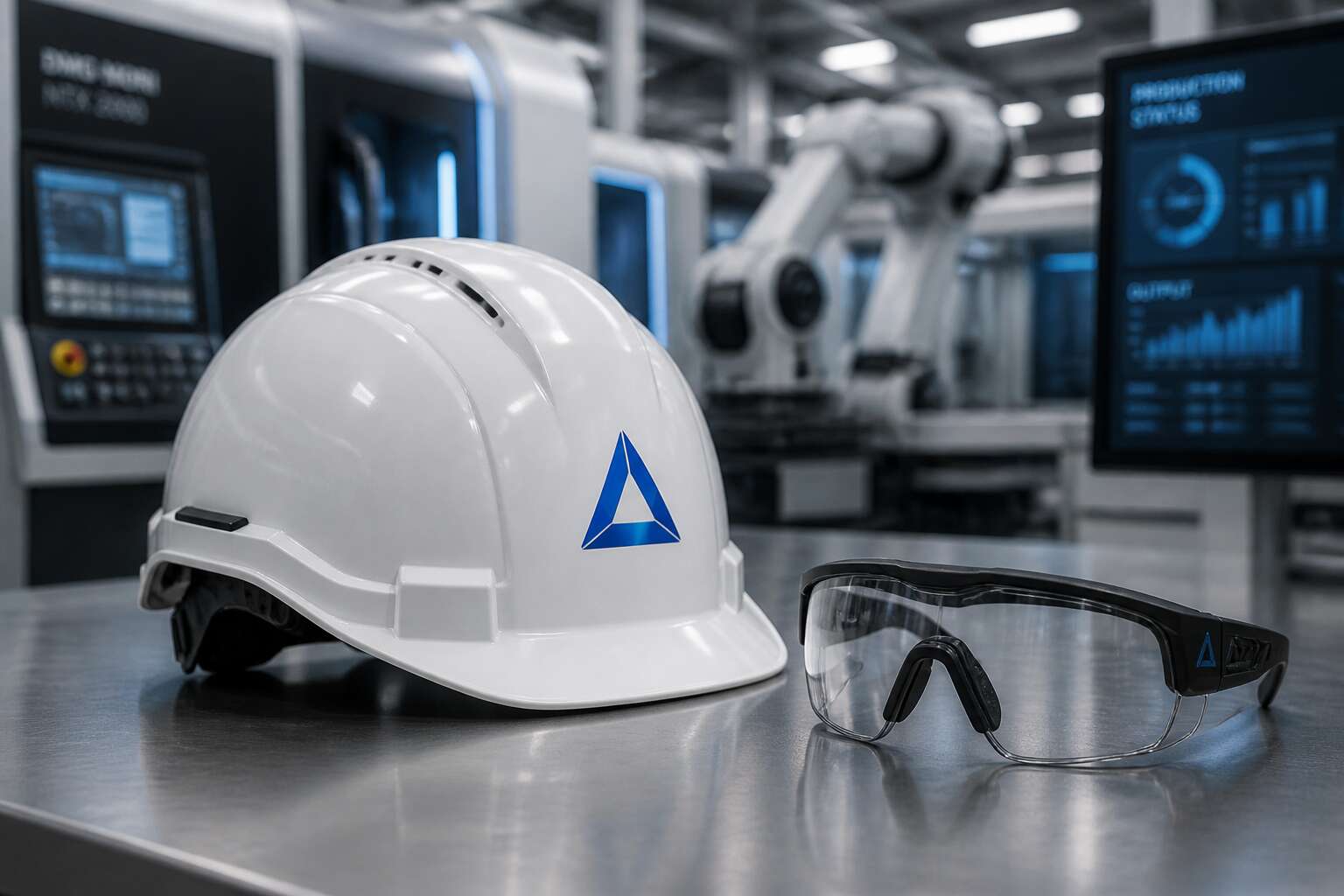
Head injuries cause a large share of workplace fatalities, yet many crews still trust worn out helmets. Selecting the right hard hat is a calculated decision. Delta health and safety equipment carries Class E electrical helmets and Class C vented models.
Eye and face protection needs closer scrutiny. Splashes, debris, and arc flashes each require distinct solutions. I have seen operators use impact goggles with a mesh visor for grinding, but that fails under chemical exposure.
- Face shields for high velocity particles
- Splash goggles with indirect vents
- Welding helmets with auto darkening lenses
Match each task to the specific hazard. Remember, a single compromise in the lens or shell can undo every safety protocol!
Hearing Conservation and Noise Control Gear
Noise induced hearing loss is the most prevalent occupational disease in South African mining, yet it remains entirely preventable. I have watched crews treat hearing protection as an afterthought, grabbing whatever is closest to the gate.
Selection demands more than checking the noise reduction rating. The attenuation must match the exposure level, not exceed it dramatically. Over-protection isolates workers from warning shouts and machine sounds, which creates its own hazard.
- Measure noise levels with dosimetry before selecting attenuation
- Fit test earplugs to verify a proper seal
- Pair hearing protection with communication headsets in loud operations
Delta health and safety equipment supplies electronic muffs with ambient sound amplification alongside custom moulded plugs. For sustained noise above 85 decibels, engineering controls must reduce the noise at the source while PPE covers the remainder. That layered approach is non-negotiable.
Respiratory Protection and Air Purification Systems
The taste of dust sits at the back of the throat long after the helmet comes off. A breath of mine air can carry millions of respirable particles, each small enough to reach the alveoli and scar lung tissue. Silicosis develops over decades. I have seen workers trust a half mask without checking the face seal, assuming the filter alone will protect them.
Delta health and safety equipment supplies a complete range of respiratory protection. Air purifying respirators capture particulate and vapour through filters and cartridges. Powered air purifying respirators use a battery driven fan to reduce breathing resistance. Supplied air respirators provide an independent air source for oxygen deficient or toxic atmospheres.
Available options:
– Disposable particulate respirators for light dust
– Elastomeric half masks with replaceable cartridges
– Full face masks for simultaneous eye and respiratory protection
– Powered air purifying units for extended wear
Hand, Foot, and Full-Body Protection Approaches
Blisters and crushed toes do not announce themselves the way a chemical burn does. The skin on your hands and feet endures more abuse than any other part of the body, yet workers ignore them until something goes wrong. I have seen steel-toed boots worn with laces undone and gloves left in the bakkie, because a quick check somehow turns into a five metre climb! Delta health and safety equipment offers a range of protective gear, but gear only works when worn correctly.
The categories:
- Cut resistant gloves for sharp handling
- Chemical resistant gloves for solvent work
- Impact resistant boots with metatarsal guards
- Full-body harnesses for height access
Foot protection moves from basic safety boots to conductive footwear for explosive atmospheres. Delta health and safety equipment stocks the full range, including coveralls, aprons, and high visibility clothing. Match each layer to the hazard, not to the latest style on site.
Selecting and Sizing PPE for High-Risk Environments
Conducting Hazard Assessments and Risk Mapping
In South Africa’s high-risk environments, a single misjudged hazard can outweigh years of safety planning. I’ve seen teams rely on guesswork when choosing PPE, which is why hazard assessments and risk mapping must come first! These tools identify exposure levels, task frequencies, and potential failure points before any gear is purchased.
Once the map is clear, selecting and sizing PPE becomes a systematic process. Every worker needs equipment that fits their body and the threat at hand. Consider these factors during selection:
- Anthropometric measurements for each user
- Chemical or impact resistance ratings
- Compatibility with other safety layers
Delta health and safety equipment stands out because it supports this exact workflow, offering gear that aligns with mapped risks and individual sizing. Without that alignment, even certified PPE fails when it matters most.
Fit Testing and Ergonomic Considerations for Long Shifts
A misfitted respirator leaks. That is not an opinion; it is physics. For workers in South African high-risk environments, selecting PPE means measuring actual body dimensions, not assuming sizes. Fit testing verifies the seal for every wearer. Ergonomic considerations for long shifts go beyond comfort. They prevent fatigue, heat stress, and the urge to loosen gear.
Delta health and safety equipment provides options that move with the body. Look for adjustable straps, breathable materials, and balanced weight distribution. When gear fights the user, compliance drops.
- Check pressure points before purchase
- Test full range of motion
- Re-test fit after weight changes
Properly sized PPE becomes invisible. That is the goal. A worker who forgets they are wearing protection stays focused on the task, not the equipment.
Material Durability and Chemical Resistance Factors
Material durability determines whether PPE survives the shift, and chemical resistance determines whether the wearer does. In South African high-risk sectors, the same hazard presents as dry particulate, splash, or vapour. Selection starts with the chemical inventory, not the catalogue. Ignore that order and you are guessing!
Consider a worker handling solvents. Thin nitrile offers precision but degrades within minutes. A thicker butyl barrier holds up, yet it changes hand size and grip. That is where delta health and safety equipment earns its place. Permeation rates set the verdict.
- Degradation ratings before sizing up
- Compatibility with the exact formulation
- Heat and humidity accelerating wear
Physical abrasion and repeated decontamination shorten service life. A robust garment may be porous after six months. Inspect for swelling or stiffness. Delta health and safety equipment offers material classes, but the buyer must match the hazard profile to the fabric chemistry.
Environmental Conditions: Heat, Cold, Moisture, and Visibility
Highveld summers push body temperatures past 38°C. Cold chain work numbs fingers before the shift ends. Moisture collects inside sealed suits, turning insulation into a liability. The shell must breathe, insulate, or reflect. Freezer insulation becomes a heat trap on a sunny yard. Size shifts with climate; a worker in bulky layers needs larger boots, while heat stress demands looser cuffs. Delta health and safety equipment provides multi-season options, but the buyer must account for the microclimate, not the regional forecast. A garment that fits at 7 a.m. can strangle at 2 p.m. when humidity spikes. Keep in mind:
- Solar radiation load, not just ambient temperature
- Moisture wicking to prevent sweat pooling
- Glare and contrast against the work backdrop
Delta health and safety equipment catalogs rate garments for temperature ranges, but the real verdict comes from the body inside. Sweat, shiver, and squint are the truest fit test!
Ensuring Compatibility Across Multi-Piece PPE Systems
A respirator that seals perfectly on its own becomes a leaky mess when the safety glasses sit on the strap. This is the unspoken drama of multi-piece PPE. In high-risk environments, each component must work with the others, not against them. Delta health and safety equipment offers modular designs, but the final assembly happens on your body. Sizing starts with the smallest gap. Check where sleeves meet gloves, where boot shafts meet trousers, where the helmet rim meets the face seal. A mismatch here creates a channel for sparks, chemicals, or dust.
Compatibility testing should include movement. Raise your arms, squat, tilt your head. If the respirator rides up or the visor fogs, that is a failure. South African workplaces add their own quirks, like humidity that swells straps. So test at the start of a shift, not in a cool boardroom. The product specs list compatibility, but your body is the final judge. Try pieces together before committing!
Training, Maintenance, and Lifecycle Management
Inspection Protocols and Replacement Schedules
Most safety gear failures are silent, hiding in a cracked buckle or a faded strap. Training alone is never enough. We must teach crews to listen for the telltale squeak, to feel the stiffness of degraded rubber. The real work begins after the shift ends.
Maintenance demands a strict post-use protocol. Wipe down every surface, inspect webbing for fraying, and check seams for pulling. But maintenance is reactive. Lifecycle management of delta health and safety equipment is proactive.
- Monthly visual checks for UV damage and deformation.
- Quarterly functional tests on moving parts and buckles.
- Immediate withdrawal from service after any impact or chemical splash.
Replacement schedules vary by material, but I recommend labeling each item with a manufactured-on date. Log every inspection in a central register. When the interval passes, retire the unit without sentiment. Delta health and safety equipment performs only when the calendar is honoured without exceptions.
Cleaning, Decontamination, and Storage Best Practices
Training transforms delta health and safety equipment from inert hardware into a living barrier. A worker who understands why a respirator seal matters, or why a harness must hang without twists, will treat each item with deliberate care. I have watched crews cut corners simply because nobody explained the consequences. That gap costs lives.
Maintenance and lifecycle management demand ritual, but cleaning and storage require their own discipline. Every shift ends with wiping down all surfaces using manufacturer approved solvents, never household guesses. Decontamination must match the specific contaminant, whether cement dust, chemical splash, or biological residue. Storage means cool, dry, ventilated spaces, away from UV rays and concrete floors.
- Clean every surface after each use.
- Use manufacturer specified decontamination agents only.
- Store delta health and safety equipment on racks or hooks, never on the ground.
Delta health and safety equipment performs only when the people behind it honour a documented service history. Know the manufactured date, track every wash, and retire anything questionable without sentiment.
Worker Training Programs and Competency Drills
In South African workplaces, competency vanishes quickly without deliberate rehearsal. A safety harness or respirator only earns its cost when a worker can deploy it under stress. Delta health and safety equipment requires training programs that repeat until the movements become automatic.
Worker training programs must move beyond theory. Each drill should place the employee in a simulated hazard, with a supervisor assessing response time and decision making. After the drill, the crew reviews mistakes and corrects technique.
Here is the drill sequence we use:
- Perform a full donning and doffing cycle within two minutes.
- Respond to an unexpected equipment failure signal.
- Swap to a backup unit without removing eye protection.
Maintenance and lifecycle management then become intuitive. The worker who trains with the equipment learns its wear patterns and can flag early signs of degradation before the next inspection. That is how delta health and safety equipment stays reliable between audits.
Inventory Control and Emergency Readiness Planning
Training extends beyond the drill floor. When workers understand how each component ages, they spot early wear during the daily check, before any formal inspection. That daily scrutiny feeds directly into maintenance and lifecycle management inventory control.
That vigilance matters because delta health and safety equipment degrades invisibly. Inventory control must track age, usage hours, and exposure history. The storeroom becomes the final check. If a unit has reached its service limit, no emergency justifies fielding it.
Emergency readiness planning then relies on accurate stock levels, not guesswork. We keep documented reserves for critical scenarios:
- Contaminated environments requiring full replacement sets
- Rapid response kits for shift changes under incident conditions
- Quarantine stock for equipment exposed to unknown substances
This system turns inventory into a reliable resource. Control room reports ensure the right delta health and safety equipment reaches a worker within minutes, not after a frantic storeroom search!
Innovative Technologies and Future Trends in Safety Gear
Smart PPE with IoT Sensors and Real-Time Monitoring
The smart hard hat that alerts a supervisor before a worker feels dizzy is no longer a prototype. Smart PPE, embedded with IoT sensors, makes standard equipment part of a digital network. A worker on a high-risk site in Gauteng can have biometrics, movement patterns, and environmental exposure monitored continuously, with anomalies flagged before they escalate.
Modern sensor arrays may track:
- Core body temperature and heart rate variability
- Gas concentrations in the immediate breathing zone
- Impact force and angle sustained by head protection
- Proximity to moving plant and machinery
Real-time monitoring moves safety from retrospective paperwork to immediate intervention. Delta health and safety equipment already integrates these capabilities, with devices that feed central dashboards and alert supervisors the moment a threshold is crossed. We are seeing this shift accelerate across South African industries, and the supporting technology is becoming more accessible.
Sustainable Materials and Circular Manufacturing Models
Industrial safety gear has historically been designed for disposal, not renewal. That mindset is shifting as manufacturers explore bio-based polymers and closed loop production systems. The delta health and safety equipment range now includes items made from recycled fibres and modular components that can be replaced rather than discarded.
Some emerging material innovations worth tracking:
- Self-healing coatings that extend the lifespan of high visibility fabrics
- Plant derived polymers for hard hat shells that maintain impact resistance
- Waterless dyeing processes that reduce environmental load during production
Circular manufacturing models treat end of life gear as raw material. Take back programmes, component refurbishment, and material recovery are becoming practical procurement criteria for South African operations. Choosing delta health and safety equipment means engaging with a supply chain that prioritises longevity over landfill contribution.
Ergonomic Advancements and Assistive Wearable Robotics
I have stood on sites where the heaviest burden is not the load itself, but the repetitive strain of lifting it poorly. Assistive wearable robotics are changing that reality. These exoskeletons arrive as lightweight frames that quietly redistribute force away from the lumbar spine.
Delta health and safety equipment now includes smart ergonomic systems that measure muscle exertion and adjust support in real time. They help only when the body requests it, preserving natural motion during less demanding tasks. This is a shift from static protection to dynamic partnership.
- Fluid based knee pads that harden on impact
- Passive shoulder assists for overhead drilling
- Biometric insoles that recalibrate arch pressure
For South African operations, choosing delta health and safety equipment means investing in tools that anticipate fatigue before it causes injury. Workers carry less of the day home in their muscles and joints. The future of safety gear is not heavier; it is smarter and more attentive to human physiology.

0 Comments