Electrical Safety Equipment Essentials
Personal Protective Equipment for Electrical Work – Outline of PPE essentials, standards, and usage.
Electrical work is serious business, especially in South Africa where a spark can become a headline. The PPE you wear is your first line of defense, not a costume prop for the boss’s wall. When you walk the line, the right safety measures make all the difference.
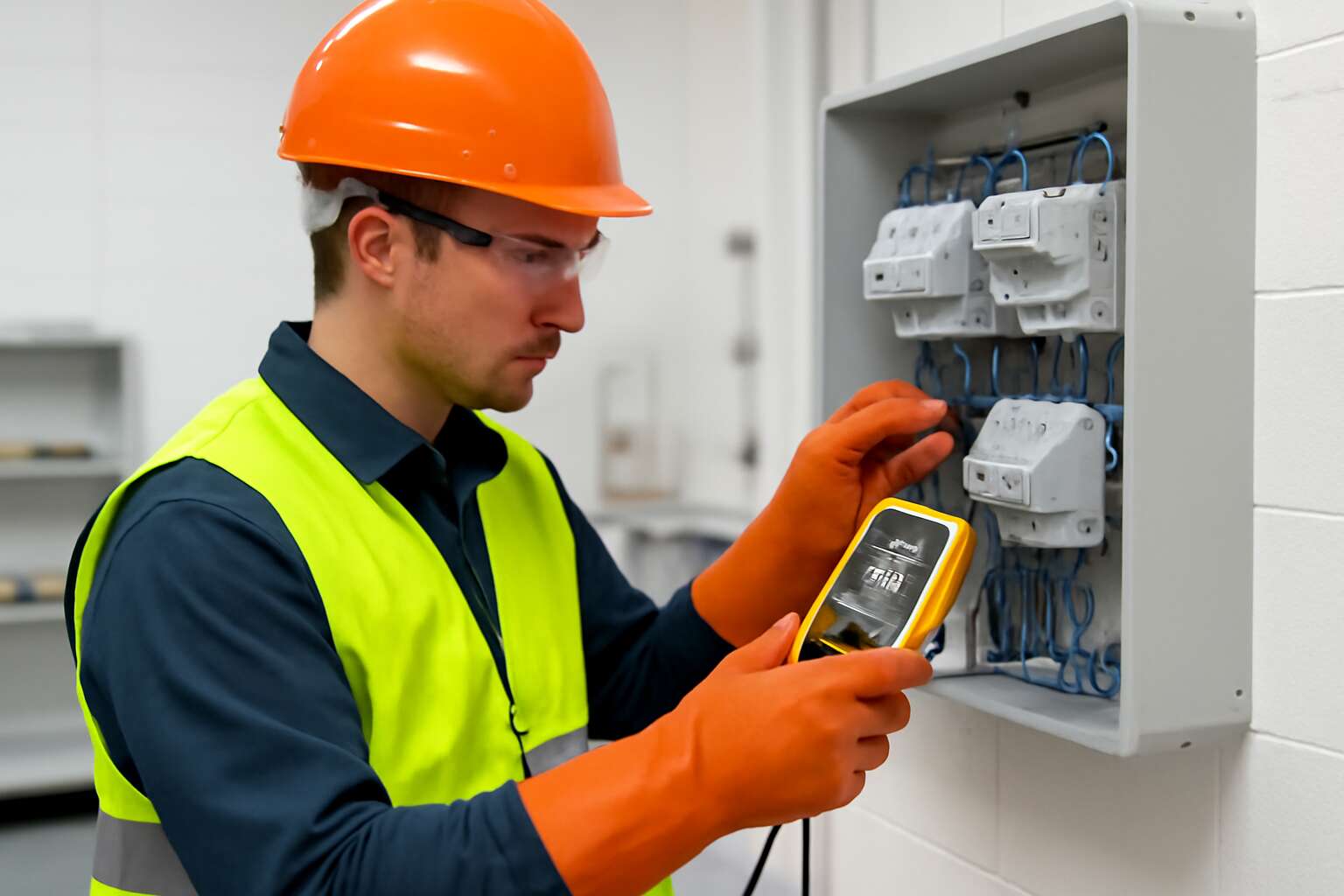
- Hard hat with electrical-rated suspension
- Insulating gloves rated for the voltage
- Arc-rated clothing or flame-resistant coveralls
- Safety glasses or face shield
- Safety footwear with electrical protection
- Hearing protection when needed
Standards guide what makes PPE trustworthy: certifications aligned to IEC, EN, and local SA regulations. This is why safety equipment electrical standards matter. In practice, usage means a proper fit and attention to the voltage and duty context.
On site, the right kit keeps teams sharp and compliant, and it’s as essential as a good coffee break.
Electrical Safety Tools and Instrumentation – Overview of testing tools, meters, and insulation devices.
Electrical work is a high-wire act, and the real safety starts with the tools you trust. In South Africa, a surprising share of incidents trace to faulty instrumentation rather than wild arc flashes—proving that safety equipment electrical includes the gear that reads reality, not just looks good on a wall.
Think of testing tools, meters, and insulation devices as the quiet backbone of a job well done. They verify live circuits, monitor insulation health, and confirm earth continuity before current dares to dance. A well-chosen kit minimizes guesswork and keeps crews sharp.
- Voltage testers
- Multimeters with true-RMS
- Insulation resistance testers (megohm meters)
- Earth continuity meters
- Insulation monitoring devices
With calibration standards and traceable results, this approach anchors the discipline in practice, keeping projects compliant and downtime low.
Lockout Tagout and Isolation Protocols – Procedures and gear to ensure safe maintenance.
Lockout Tagout isn’t merely a form; it’s the shield between a routine maintenance task and a tragic wake-up call. I’ve seen slips in lockout rules turn a calm site into chaos, and isolation protocols keep live circuits from becoming unwelcome guests. That discipline starts with the right gear and a steady, tested routine.
When the power must be halted, the following essentials form a cohesive safety net. The calm you feel is built on verified de-energization, tested isolation, and clear tag-out records—quiet steps with loud consequences if skipped. safety equipment electrical reminds us that discipline translates into measurable safety across every site.
Key gear and steps include:
- Lockout devices and hasps
- Tags and tagging procedures
- Energy source verification tools
- Isolation verification meters
- Clear documentation and training
Arc Flash and Shock Hazard Mitigation – Approaches to assess and mitigate arc flash and shock risks.
One spark can rewrite a workday, and in an instant a routine task reveals its true gravity. Arc flash and shock hazards demand more than respect; they require a measured shield—an alloy of awareness, testing, and disciplined gear. That is safety equipment electrical, spoken softly into every panel and procedure.
Approaches to assess and mitigate arc flash and shock risks are layered, not linear. In South Africa, as in many workplaces, risk assessment paired with energy estimation frames the danger; engineering controls and proper equipment envelope the site; and training keeps people alert, even when alarms sleep.
Mitigation hallmarks include:
- Hazard identification and boundary awareness
- Verification of isolation and status records
- Ongoing training and audits to ensure discipline
Work Environment Preparation and Ergonomic Safety – Best practices for safe working conditions around electrical installations.
Electric spaces pulse with potential when preparation leads the way. “Safety is not a bystander; it travels with every task,” a seasoned SA technician reminds us. safety equipment electrical isn’t only on your body; it’s the atmosphere you create around every panel.
Preparation starts with order: clear floors, organized tool stations, and well-marked zones around live equipment. Ergonomic safety means you can work longer without fatigue, sharpening focus and reducing risk. Consider these ergonomic touchpoints:
- Clean, uncluttered walkways
- Height-adjustable work platforms
- Cable management to reduce trips
- Adequate glare-free lighting
- Anti-fatigue mats for long work
Pairing these practices with regular checks and mindful routines keeps installations safe, efficient, and respectful of the environment. safety equipment electrical helps the workplace breathe, weaving human judgment with disciplined procedures for steady, luminous operations.
Choosing and Maintaining Safety Equipment for Electrical Work
Guidelines for Selecting Electrical PPE – How to choose PPE based on hazard levels and standards.
Electrical work in busy South African environments demands more than bravado. A single spark can rewrite a career, but the right PPE turns risk into routine and keeps mishaps at bay!
Begin with a hazard-based mindset: match PPE to voltage, arc flash potential, and the task at hand. Seek gear that meets recognized standards, fits comfortably, and endures daily wear—this is the heart of safety equipment electrical.
- Low hazard tasks: insulated gloves and eye protection.
- Medium hazards: arc-rated clothing and face shield.
- High hazards: full PPE ensemble aligned with applicable standards.
Maintenance matters: inspect before each shift, clean with mild soap, store away from heat, and retire damaged pieces promptly. Good upkeep extends the life of PPE and keeps teams coherent rather than combustible.
Maintenance and Inspection Scheduling – Inspection routines, replacement criteria, and record-keeping.
Across South Africa’s industrial sites, regular maintenance and disciplined inspection scheduling cut electrical incidents and protect livelihoods. Treat safety equipment electrical as an active asset, not a ceremonial badge—when it wears out, risk climbs and production suffers. A thoughtful program aligns equipment life cycles with task demands, turning maintenance from a checkbox into a lever for safer, steadier work.
Key elements include:
- Inspection routines: formal cadence, recorded findings, and trend analysis to flag wear early.
- Replacement criteria: defined service life, wear thresholds, and performance deviations that warrant swapping components.
- Record-keeping: centralized logs that document inspections, actions, and outcomes for audits and continuous improvement.
A structured approach to maintenance and inspection scheduling ensures safety equipment electrical stays dependable when it matters most.
Certification and Standards Compliance – Overview of ANSI/IEEE/CSA standards and regulatory considerations.
A robust safety equipment electrical program isn’t ornamental—it’s the line that keeps workers breathing when a fault line sparks. Across SA sites, incidents drop when ANSI/IEEE/CSA standards guide equipment choice; some facilities report up to a 40% reduction. These standards govern how gear is tested, labeled, and maintained, turning procurement from guesswork into guaranteed protection.
Key domains include product testing and labeling, cross-border applicability of safety criteria, and regulatory compliance.
- ANSI/IEEE standards for performance, testing, and labeling of safety equipment electrical
- CSA standards and cross-border applicability for arc flash protection and insulating gear
- Regulatory compliance: certification marks (UL/CSA/SABS), audits, and SA OHS Act alignment
In South Africa, this ensures safety equipment electrical remains dependable where it matters most.
Budgeting and ROI for Safety Equipment – Cost considerations and procurement strategies.
“Safety is not a cost—it’s a dividend,” a seasoned SA site manager often says. Choosing safety equipment electrical means weighing upfront price against lifecycle savings, because durable gear translates into fewer outages, less rework, and reliable audits. ROI here is tangible: steadier production, lower incident-related costs, and calmer regulatory reviews. When procurement hinges on standards, the cadence of purchases becomes risk-reducing rather than guesswork, turning capital into protective equity.
- Upfront vs lifecycle costs and total cost of ownership
- Maintenance, calibration, inspection, and spares planning
- Regulatory labeling, certification, and supplier performance
On the ground in South Africa, standardized specs and bulk terms help stretch budgets without compromising safety. A thoughtful approach to procurement—balanced with dependable service—helps teams stay focused on control and continuity.
Vendor and Product Evaluation – How to assess suppliers, warranties, and service.
In the South African field, the right safety equipment electrical partner acts as a quiet guarantor of uptime. A vendor isn’t merely a catalog of parts—they become an extension of your maintenance discipline, with warranties, service levels, and documentation that keep compliance and production in step. The most discerning buyers measure the fit of gear by the strength of the supplier ecosystem, not by price alone.
Key evaluation criteria take shape when you ask: who stands behind the gear, and how do they stand by it?
- Supplier credentials and track record: certifications, audits, on-time delivery history, and local references in South Africa.
- Warranty clarity and scope: duration, what’s covered, exclusions, and the process for repairs or replacements.
- Service proximity and parts availability: calibrated maintenance support, spare parts lead times, and responsive field service networks.
Ultimately, the right choice of safety equipment electrical comes down to service continuity, transparent terms, and a partner who can scale with your operations.
Industry Applications of Electrical Safety Equipment
Industrial Manufacturing and Plant Maintenance – Applications in factories and maintenance shops.
Industrial Manufacturing and Plant Maintenance hinge on a single, quiet constant: safety equipment electrical. In South Africa’s factories, uptime hinges on protecting workers from live circuits, sparks, and hidden faults; when robust protection is in place, downtime can drop by as much as 40%. A strong safety culture translates into smoother production and fewer costly stoppages.
- Factory floors and assembly lines
- Maintenance bays and service workshops
- Outdoor substations and enclosed equipment yards
From routine inspections to emergency repairs, these environments demand reliable protection that doesn’t slow work. When safety equipment electrical is present, teams move with confidence, knowing people and productivity share the same shield.
Construction and Field Work – Safety gear and protocols on job sites.
In SA construction sites, one spark can stall a line that powers a town. On-site, safety equipment electrical acts as the quiet guardian, letting teams tackle live work with confidence.
From high-rise concrete pours to outdoor substations and service yards, industry applications demand reliable protection that doesn’t slow progress. In field work across SA, crews battle moisture, dust, and remote locations.
- Pre-task risk assessments and toolbox talks
- Permit-to-work and isolation procedures
- Clear on-site communication and signaling practices
This integrated approach harmonises people and processes, fostering safer uptime and smoother workflows.
Residential Electrical Installations – Home electrical safety equipment practices.
Across South Africa’s quiet suburbs, a single spark can rewrite a night in seconds. The home becomes a theatre of risk, until safety equipment electrical stands as a silent sentinel, guarding the circuits and the lives entwined with them.
Residential installations lean on a quiet architecture of protection: RCDs, MCBs, and proper earthing, all part of the safety equipment electrical toolkit. Damp corridors, stormy nights, or unexpected power surges are met with calm, as certified professionals weave secure pathways for the lights to endure.
Within the living walls, the wardrobe of safeguards grows:
- RCDs on all wet-area and outdoor circuits
- Weatherproof enclosures for exterior outlets
- Correct cabling and insulation, maintained to standard
This is the quiet art of home safety, where the light never fully surrenders to the night.
Energy and Utilities Sector – Safety equipment for substations and grid work.
South Africa’s energy arteries hum through substation yards, where a single fault can ripple into outages that darken townships and hospitals alike. In this realm, safety equipment electrical acts as the quiet guardian, a shield against the volatile drama of high voltage and sudden faults!
Industry crews rely on rugged safety equipment electrical to weather storms, thermal stress, and grid surprises. In substations and along feeders, dielectric gloves, arc-rated garments, and insulated tools form the first line of defense. A concise, well-maintained set keeps personnel out of harm’s way while the grid keeps ticking.
- Dielectric gloves and sleeves
- Insulated tools and barriers
- Voltage detectors and grounding mats
This is more than equipment; it is discipline—rigorous testing, clear protocols, and a stubborn pragmatism that keeps the grid upright when the night bites hardest.
Automation and Control Systems – Protection for control panels and PLCs.
Across South Africa’s grid corridors, a control panel’s heartbeat can falter in a whisper—and the quiet guardian, safety equipment electrical, stands guard. A regional survey notes downtime tied to panel faults can stitch hours of lost production into the week.
Automation and control systems demand more than brute force; they crave disciplined protection. Arc-flash-rated enclosures, insulated busbars, and robust interlocks shield PLCs against voltage wraiths. Proper grounding, shielded cabling, and surge protection keep the system singing while surges and faults pass by.
Key protections for panels include:
- Enclosure integrity and door interlocks that prevent unexpected energizing
- Ground fault and surge protection devices tuned to the application
- Clear testing, commissioning, and documentation that follows standards
With each restart, the quiet discipline of safety equipment electrical keeps a cascade of failures from turning the night into a blackout!
Best Practices for Training and Compliance
Electrical Safety Training Programs – Curriculum and delivery formats.
Across South Africa, one in three electrical incidents could be traced to training gaps rather than faulty gear. That stark truth pushes safety leaders to design curricula that breathe life into theory and keep workers engaged. When we talk about safety equipment electrical, we’re not just ticking boxes—we’re shaping habits, learning rhythms, and real-world readiness!
- In-person workshops with hands-on fault finding
- Blended microlearning modules paired with practical simulations
- On-site coaching for real-time feedback
- Scenario-based drills aligned to shift patterns
Delivery formats should be varied to fit rural and urban work sites alike, ensuring accessibility and relevance across different teams and environments.
Assessments and compliance tracking should be ongoing, with refreshers built into annual cycles and clear records for audits, keeping safety equipment electrical proficiency visible at a glance.
Competency Assessments and Drills – Skills testing and emergency drills.
Across South Africa, one in three electrical incidents could be traced to training gaps rather than faulty gear. Safety leadership teams know that best-in-class programs translate theory into real-world reflexes, with safety equipment electrical handling front and center. The aim is readiness, not rhetoric.
Key practices for training and competency assessments include:
- Skills testing that mirrors real fault-finding scenarios on field equipment.
- Emergency drills with time-bound responses, clear role assignments, and reflective debriefs.
- On-site coaching that provides rapid feedback and reinforces the correct use of safety equipment electrical in live environments.
Ongoing assessments and compliant records support refreshers and audits, ensuring proficiency remains visible across teams and sites.
Recordkeeping and Audits – Documentation, audits, and regulatory reporting.
Across South Africa, about one in three electrical incidents trace back to training gaps rather than faulty gear, a statistic that jolts safety leadership awake. When documentation, audits, and regulatory reporting anchor practice, safety equipment electrical becomes routine rather than rhetoric.
- Documented training and competency records tied to individual employees
- Consistent on-site inspection logs for all safety equipment electrical and related components
- Calibration, testing certificates, and maintenance schedules with clear expiry alerts
- Audit trails that capture decisions, approvals, and corrective actions
Modern records systems simplify compliance reporting to regulators and internal stakeholders, with retention policies that meet South African standards and support audits across sites. Clear ownership and periodic reviews keep proficiency visible and ready to deploy.
Incident Reporting and Investigation – Root cause analysis and corrective actions.
Across South Africa, incidents often trace back to training gaps rather than faulty gear, a jolt to safety leadership. Best practices in training and compliance incident reporting start with a culture that invites reporting, records context, and treats every near-miss as a signal rather than fault. Within safety equipment electrical programs, clear competencies and transparent reporting become the backbone.
Root cause analysis should be a disciplined, blame-free inquiry that seeks systemic causes rather than symptoms. Models like the fishbone and the 5 Whys guide conversations, while data from incident narratives, device logs, and environmental conditions are synthesized. The aim is to close gaps with corrective actions that improve how safety equipment electrical is used.
Effective reporting links to regulators and internal leadership through accessible dashboards and audit trails. When findings inform training plans, maintenance cycles, and supplier oversight, compliance becomes a living practice rather than a paperwork burden.
Continuous Improvement and Audits – KPIs and ongoing improvement.
Across South Africa, nearly seven in ten incidents trace back to training gaps. That insight fuels our stance: continuous improvement starts with measurable training and clear accountability in safety equipment electrical. A steady cadence of audits turns lessons into reliable performance.
- Training completion and refresh rates
- Near-miss and incident reporting velocity
- Corrective action closure time
- Audit finding remediation and verification
Best practices for training and compliance hinge on visible metrics. Dashboards tie these metrics to regulators and leadership, making safety equipment electrical a living program rather than a paper trail.
Audits become a learning loop when data from narratives, device logs, and environmental readings feed into action plans. KPIs drive improvements in training plans, maintenance cycles, and supplier oversight.
When culture treats every data point as signal, compliance stays rigorous.



0 Comments